





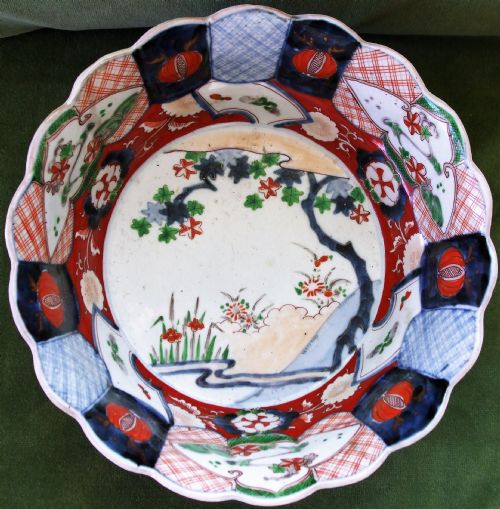
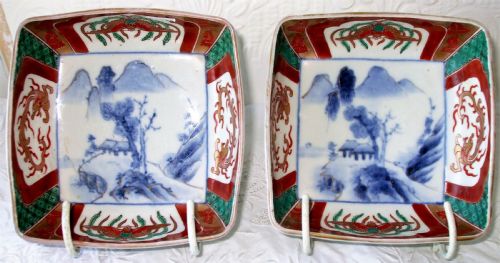
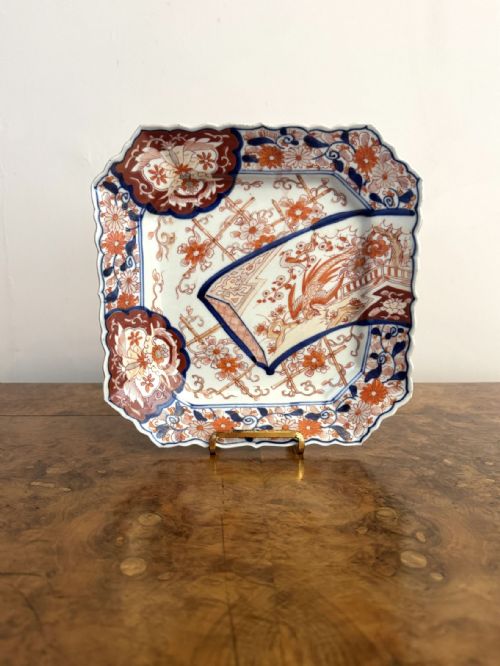
Japanese Imari Ceramic Dish
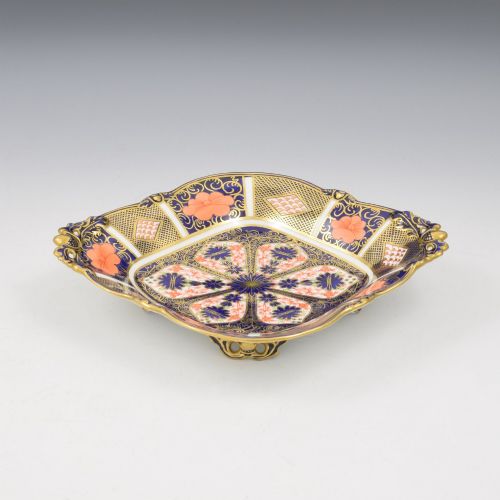
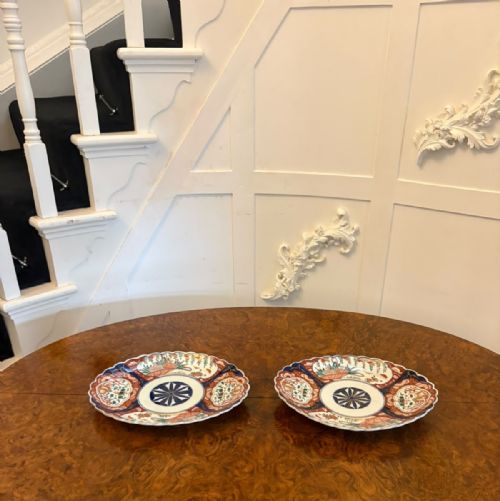
A japanese imari ceramic dish brings together deep cobalt underglaze blue and vivid iron red enamel, shaped into chargers, bowls and scalloped plates.
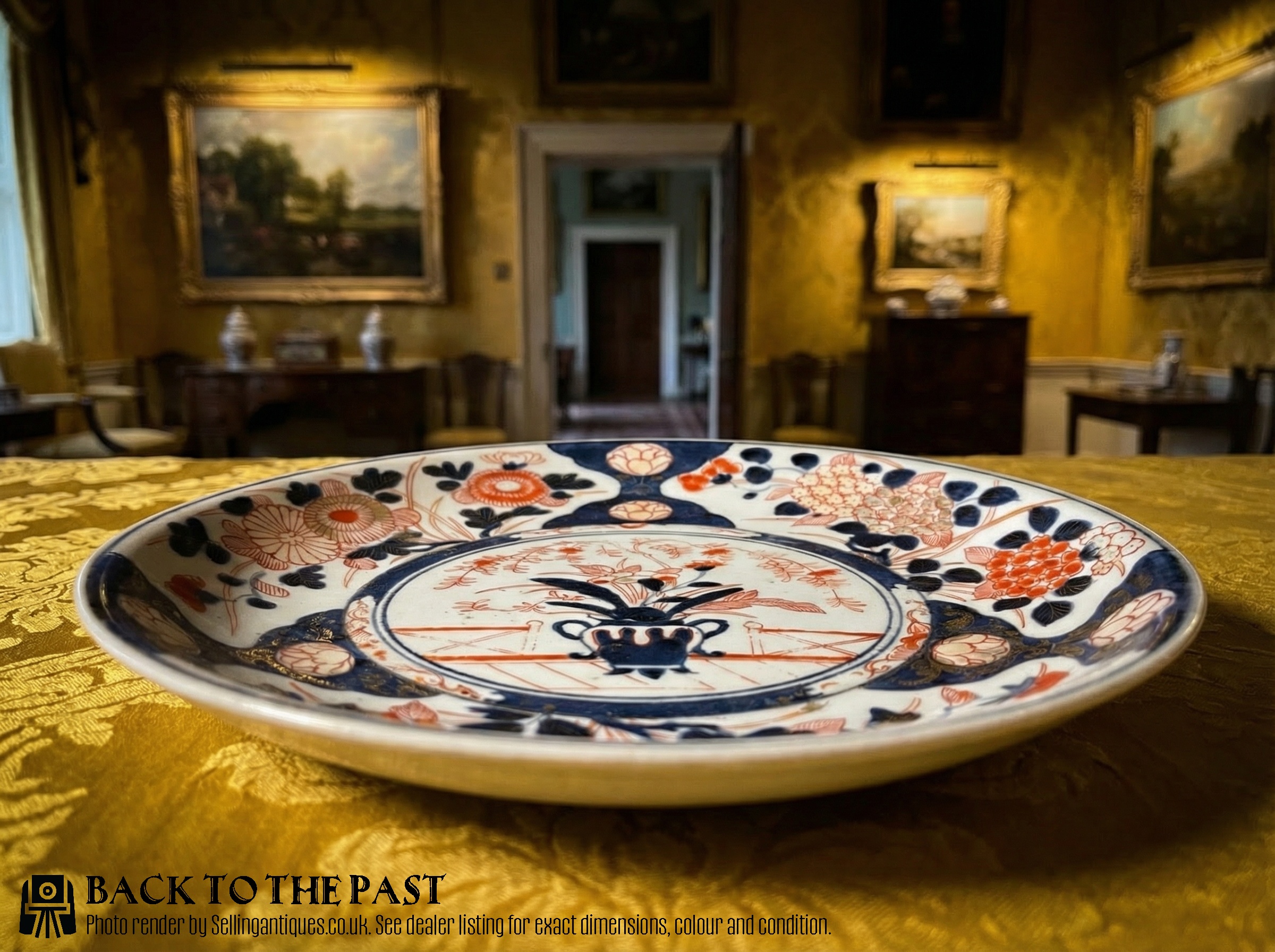
Japanese Imari Ceramic Dish
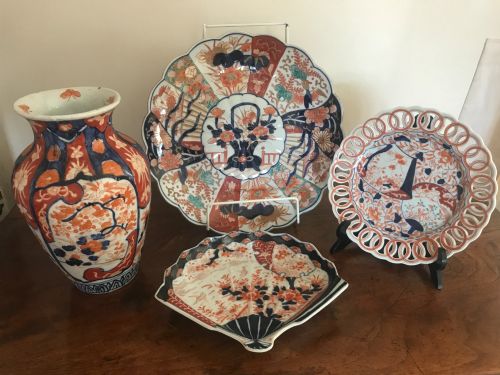
A japanese imari ceramic dish sits at the crossroads of decorative display and functional tableware. These pieces range from small oval and square dishes to large chargers and deep bowls.
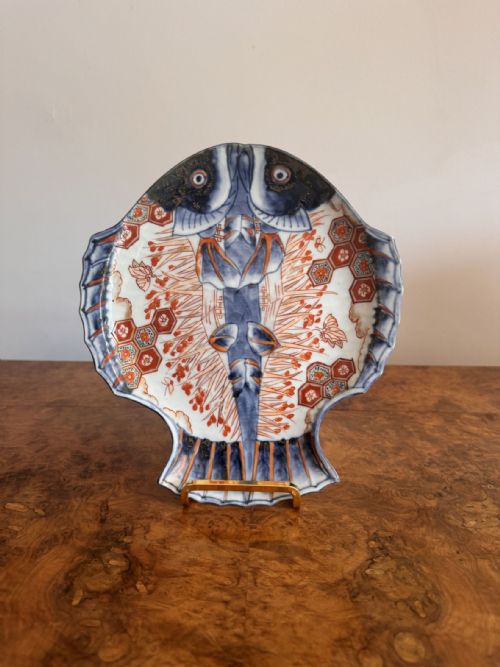
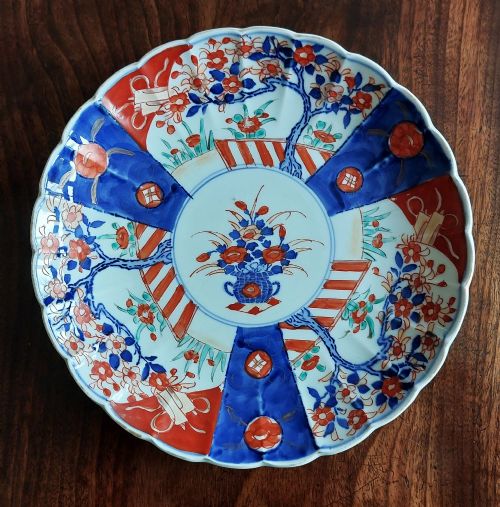
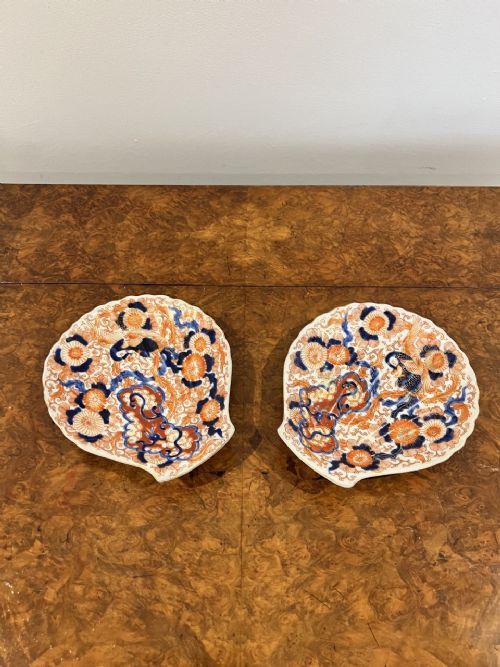
Most examples originate from the Meiji period and the nineteenth century, reflecting traditional Arita kiln techniques. Buyers encounter standard circular plates alongside fish, shell, hexagonal and scalloped forms.
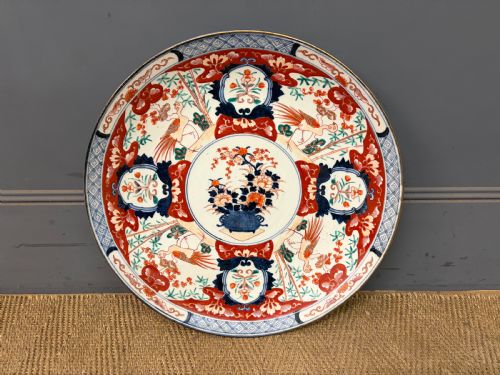
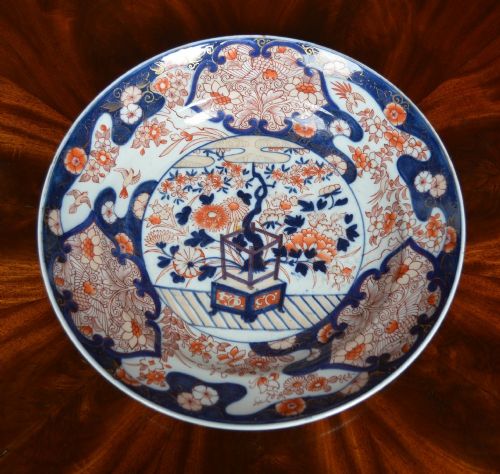
The palette relies on iron red and cobalt underglaze, often augmented with gilt, gold leaf and enamel details. Motifs include floral patterns and exotic birds rendered across porcelain surfaces.
How they were made
Potters shaped hard-paste porcelain body clay into plates, chargers and bowls before applying cobalt underglaze decoration. The pieces received an initial high-temperature kiln firing to fix the blue pigments beneath the glaze.
Artisans then painted secondary layers using iron red enamel and gold leaf or gilding over the glaze. A subsequent lower-temperature kiln firing fused these enamel colours and gold elements to the finished surface.
Skilled potters occasionally coaxed stiff porcelain into swimming fish and fluted sea shells, proving even rigid clay can learn to paddle.
What varies in quality
The precision and detail of the hand-painted floral and bird designs distinguish finer pieces from standard production. Artisans who achieved crisp lines in cobalt underglaze and delicate control of enamel pigments created superior results.
Moulding complexity separates simple round plates from unusual forms shaped like fish, shells, squares and hexagons with scalloped edges. The preservation of original gilding and gold leaf also marks the upper tier of surviving examples.
The Japanese Imari Ceramic Dish Glossary
- Imari
- A style of Japanese porcelain originating from the port of Arita, traditionally characterised by a palette of cobalt blue, iron red and gold.
- Meiji Period
- The era in Japanese history spanning from eighteen sixty-eight to nineteen twelve, which produced a significant volume of export porcelain.
- Cobalt Underglaze
- A blue pigment applied to the raw ceramic body before glazing and firing, capable of withstanding high kiln temperatures.
- Arita
- The Japanese town and surrounding region where kilns produced the porcelain blanks decorated in the Imari style.
- Charger
- A large decorative plate intended primarily for display on a wall, cabinet or sideboard rather than for serving food.
Japanese Imari Ceramic Dish: Frequently Asked Questions
How do I display an imari charger?
Large chargers and decorative plates suit wall mounting using specialised brass spring hangers or display on sturdy wooden plate stands. Their bold cobalt and red palettes command attention as focal points in dining rooms and living spaces.
Ensure that display brackets distribute weight evenly across the rim and base. Keep porcelain away from high-traffic walkways where accidental contact might dislodge a heavy charger from a shelf.
Can I use these dishes for food?
Historical export ceramics function best as decorative objects or dry display pieces rather than active tableware. Overglaze enamels and gold leaf applied centuries ago can suffer abrasion or chemical wear from modern dishwashers and cutlery.
Hand washing in lukewarm water with mild soap preserves the enamel and gilding if cleaning becomes necessary. Avoid soaking antique porcelain in water for extended periods.
How do I date a Meiji period piece?
Meiji period ceramics generally date between eighteen sixty-eight and nineteen twelve, aligning with the reign of Emperor Meiji. Listings often attribute pieces to the late nineteenth century based on stylistic conventions and trade records.
Examining the paste, foot ring and kiln marks helps refine the age of individual plates and bowls. Nineteenth-century examples often display subtle variations in the hand-mixed enamel colours.
What is the difference between Arita and Imari?
Arita refers to the geographical production centre in Japan where potters fired the porcelain body. Imari describes the shipping port through which these wares left Japan for European and domestic markets.
Collectors use both terms interchangeably because the pottery centres in Arita manufactured the goods that became known globally as Imari ware.