




Japanese Polychrome Porcelain Platter
A Japanese polychrome porcelain platter brings rich Meiji and Edo period artistry to any wall or table with vibrant cobalt and enamel colour.
Japanese Polychrome Porcelain Platter
A Japanese polychrome porcelain platter serves primarily as a decorative charger or large plate, designed to showcase traditional pictorial and patterned schemes. When exploring these listings, a buyer will most frequently encounter nineteenth century and Meiji period examples alongside pieces from the Edo period. These vessels range from octagonal plates to large circular chargers adorned with intricate hand-painted motifs.
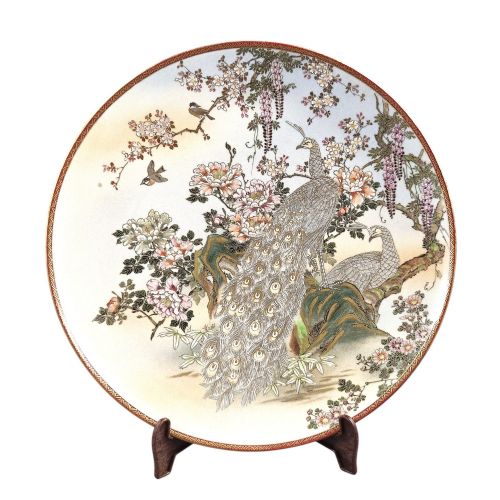
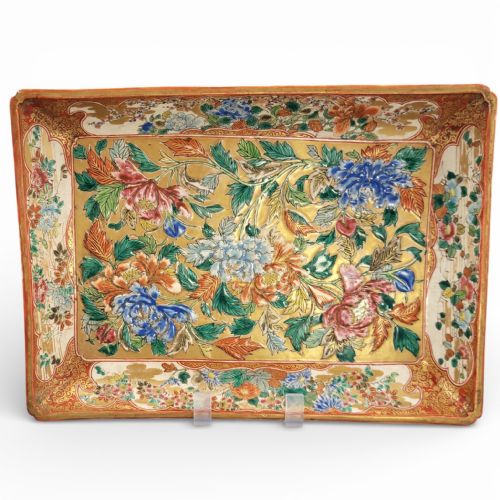
The decorative subjects vary considerably across the selection, featuring traditional themes such as koi carp, peacocks, wisteria, and peonies. Many of these larger plates and shallow bowls reflect distinct regional styles, including Imari and Kutani aesthetics. Collectors often find pieces spanning several decades around nineteen hundred, capturing both restrained earlier designs and bolder later ornamentation.
Materials and Craftsmanship
These platters rely on a base of white ceramic body finished with porcelain glaze, providing a smooth canvas for subsequent decoration. Artisans applied cobalt underglaze beneath the transparent glassy layer to establish deep blue foundational outlines and borders.
Overglaze polychrome enamels bring vibrant colour to the surface, frequently complemented by details in gold leaf or gold gilt. Skilled hands painted each motif individually before firing, securing the metallic and pigment layers onto the hard ceramic.
Koi carp painted on nineteenth century chargers swim upstream forever without ever disturbing the surrounding wisteria.
Factors That Distinguish Quality
The refinement of the hand-painted brushwork sets finer examples apart from standard decorative wares. Precision in the execution of intricate floral details, plumage, and carp scales indicates the level of artisan skill involved.
The richness and application of the surface embellishments also define the tier of a piece. Generous use of gold leaf alongside carefully balanced polychrome enamels creates depth and visual harmony across the platter.
The Japanese Polychrome Porcelain Platter Glossary
- Imari
- A traditional Japanese style of porcelain featuring a distinct palette of cobalt blue, iron red, and gold gilt. These patterns often incorporate dense floral and geometric layouts.
- Kutani
- A style of Japanese coloured porcelain known for bold pictorial compositions and rich enamel palettes. Pieces in this tradition frequently showcase gold highlights and figurative scenes.
- Meiji Period
- The era in Japanese history spanning from eighteen sixty-eight to nineteen twelve, characterised by opening trade and exceptional decorative arts production. Works from this time often display ambitious scale and intricate detailing.
- Edo Period
- The historical era preceding the Meiji period, running from sixteen hundred and three to eighteen sixty-eight. Items from this time represent earlier traditional craft standards.
- Moriage
- A decorative ceramic technique using raised slip or enamel trails to create textured, three-dimensional surface designs. This method adds tangible relief to floral and avian motifs.
Japanese Polychrome Porcelain Platter: Frequently Asked Questions
How do I hang a heavy charger?
Large chargers and decorative plates require sturdy, coated wire spring hangers designed to distribute weight evenly across the rim. Ensure the wall fixing securely anchors into solid masonry or a timber stud before mounting.
Avoid using adhesive disc hangers on antique porcelain, as the weight of nineteenth century pieces can cause the adhesive to fail over time.
Are these platters safe for food?
Antique Japanese platters and chargers are intended for display rather than modern culinary use. Overglaze enamels and gold leaf from the nineteenth century can wear or contain historical mineral compounds unsuited for frequent dining.
Displaying them on stands or walls preserves the delicate painted surfaces from unnecessary friction and cutlery marks.
How do I tell Imari from Kutani?
Imari porcelain typically relies on a distinct palette of deep cobalt blue underglaze combined with iron red and gold overglaze. The patterns frequently emphasise geometric panels and symmetrical floral arrangements.
Kutani wares often feature a broader, more painterly range of heavy polychrome enamels and gold gilt, focusing on pictorial scenes with birds, flowers, or figures rather than rigid geometric borders.
How should I clean antique porcelain?
Dust these platters gently with a soft, dry microfibre cloth to remove everyday surface particles. Avoid chemical cleaning agents, abrasive pads, or immersion in water, which can damage nineteenth century overglaze enamels and gold leaf.
If deeper cleaning is necessary, consult a professional conservator to prevent accidental loss of delicate hand-painted pigments.