


Japanese Enamelware Dish
A japanese enamelware dish brings intricate metalwork and vibrant colour into a room, offering striking decorative presence from the Meiji and Edo periods.
Japanese Enamelware Dish
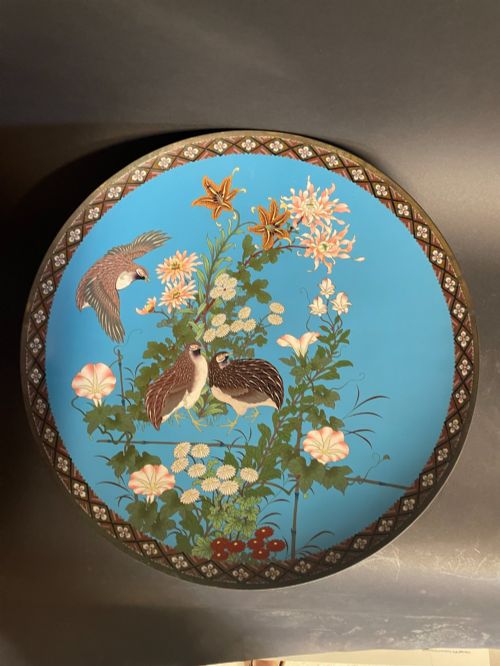
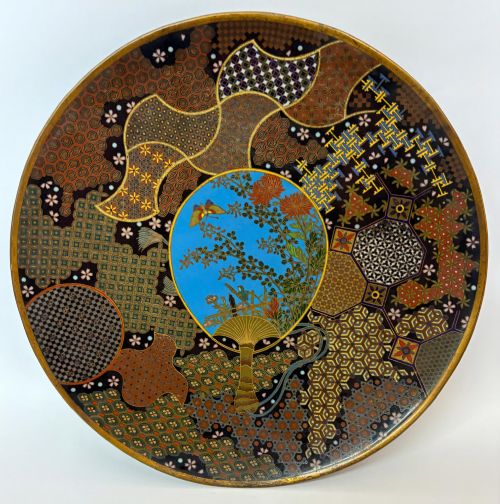
When you search for a japanese enamelware dish, you encounter decorative bowls, large chargers, and wall plates originating from the late nineteenth century and earlier. These pieces range from medium-sized plates to substantial forty-centimetre chargers designed for display.
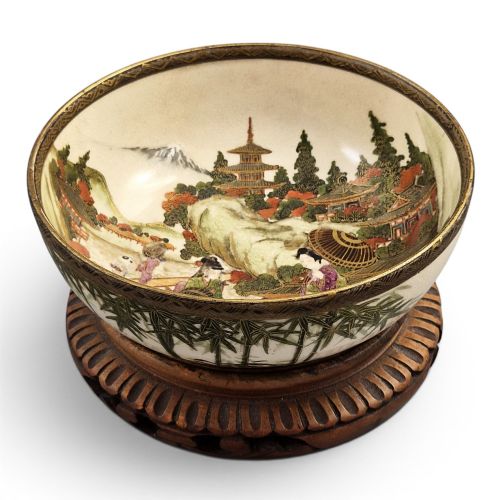
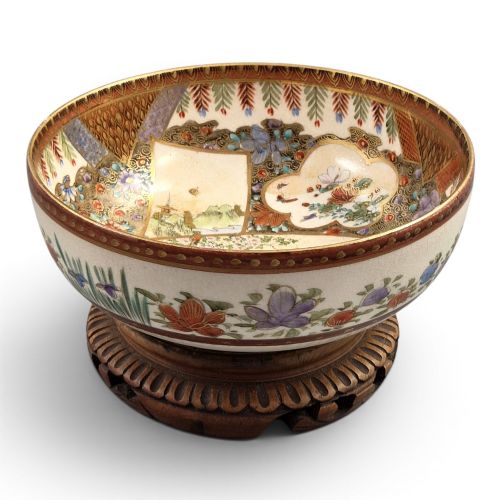
The selection here draws primarily upon Meiji Period and late Edo Period production, featuring subjects such as dragons, birds, chrysanthemums, landscapes, and samurai figures. Copper and brass form the structural base for the majority of these enamelled vessels.
How they were made
Maker's workshops built these objects using copper or brass bases, applying intricate cloisonne enamel designs divided by thin brass wire. Artisans also produced earthenware items finished with detailed painting and gold leaf.
Firing and polishing cycles locked the coloured enamels into the metal channels, creating durable surfaces that preserved detailed motifs of flora, fauna, and figures over the decades.
Listings span production dates from the 1860s through to 1900, encompassing both the Edo and Meiji periods.
What varies in quality
The distinction between standard vessels and top-tier examples rests upon the complexity and precision of the wirework and enamel shading. Masterpieces display intricate subjects like dragons, birds, and figural scenes executed with exceptional clarity.
Scale and format also define the hierarchy, with large chargers and signed bowls commanding greater visual weight than simpler medium plates.
Kozan
The Japanese Enamelware Dish Glossary
- Cloisonne Enamel
- A technique where thin metal wires form compartments on a metal base, which are then filled with coloured paste and fired. This method creates the detailed outlines seen on chargers and plates.
- Charger
- A large decorative plate intended primarily for display on walls or furniture rather than for dining use. These items form a major portion of the available pieces.
- Meiji Period
- The era in Japanese history spanning from 1868 to 1912, noted in these listings for advanced metalwork and export-focused decorative arts. Many listed items originate from this time.
- Edo Period
- The historical period preceding the Meiji era, running from 1603 to 1868. Pieces from this time include lidded pedestal bowls and early bird chargers.
Japanese Enamelware Dish: Frequently Asked Questions
How were these dishes used originally?
These pieces served primarily as decorative items for display within domestic interiors rather than for practical table use. Large chargers and wall plates were mounted or placed on stands to showcase intricate metalwork.
Earthenware bowls and lidded pedestal vessels held ornamental value and reflected the fine craftsmanship exported during the late nineteenth century.
How do I hang a large charger safely?
Mounting a heavy brass-and-copper charger requires a secure wall bracket designed specifically for thick metal or ceramic plates. Ensure the fixing grips the rim firmly without placing undue pressure on the enamel surface.
Professional framing or specialised spring hangers distribute the weight evenly across the diameter of the dish.
How do I tell Meiji and Edo pieces apart?
Edo Period items typically date from before 1868, featuring specific structural forms such as lidded pedestal bowls. Meiji Period objects, produced after 1868, often show highly refined cloisonne wirework and elaborate pictorial subjects.
Examining the base material and stylistic motifs helps narrow down the production era within the nineteenth century.
What subjects appear on these enamel dishes?
Common motifs include dragons, birds such as the ho-o, and botanical elements like chrysanthemums. Narrative scenes featuring samurai, figures, and detailed landscapes also frequent the surface designs.
Individual pieces often combine multiple subjects, pairing floral borders with central animal or figural panels.