


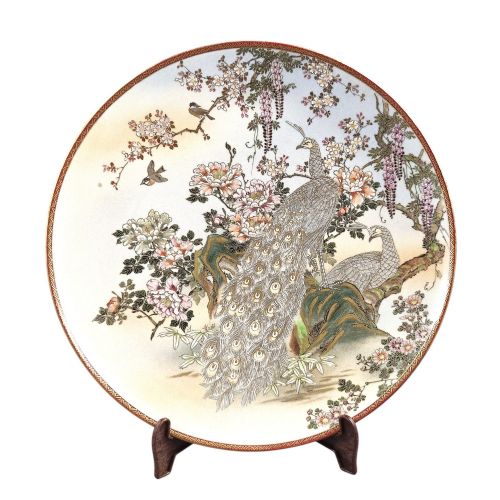
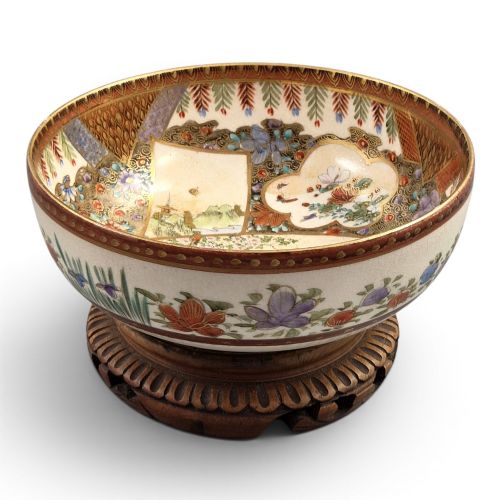


Japanese Enamelled Dish
A japanese enamelled dish brings together meticulous metalwork and vibrant ceramic traditions from the Meiji and Edo periods.
Japanese Enamelled Dish
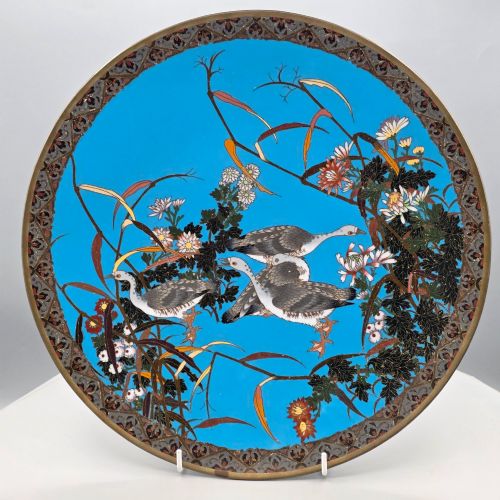
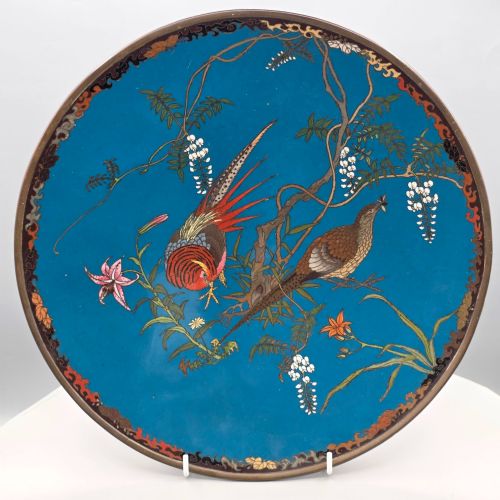
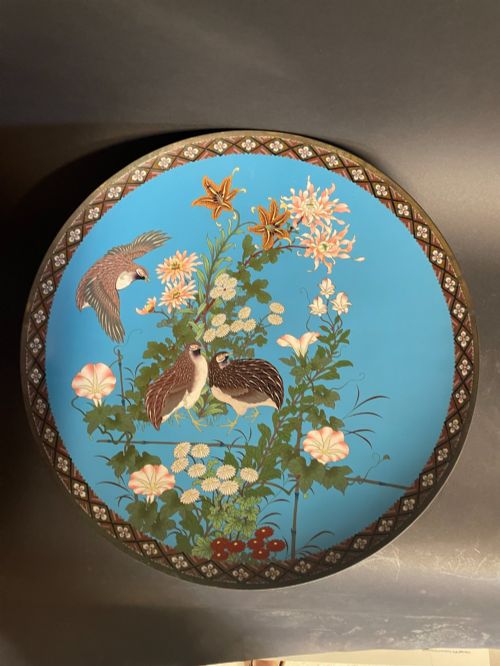
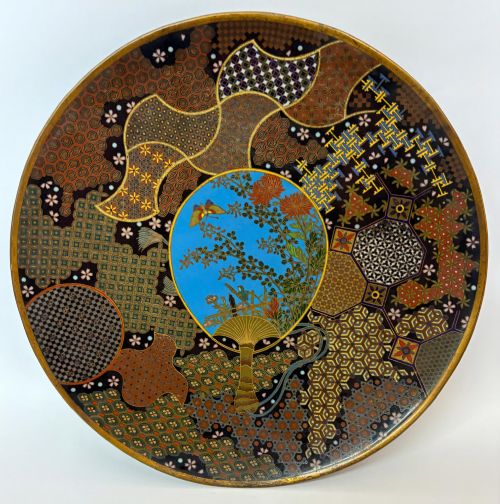
A japanese enamelled dish appears across several distinct forms, most commonly as decorative chargers, large plates, circular bowls, and square trays. These objects serve primarily as display pieces rather than utility ware, originating predominantly from the Meiji period alongside select Edo period examples.
Buyers encounter cloisonne enamel mounted on copper or brass foundations, alongside ceramic bodies utilising Kutani, Satsuma, and Imari porcelain or earthenware. The decorative subjects span natural scenes with birds, fish, and dragons to elaborate figurative compositions of samurai and deities.
Materials and Construction Methods
Cloisonne pieces rely on fine copper or brass wire soldered onto metal bases to create individual cells, which artisans then fill with coloured enamel paste before firing and polishing. Porcelain and earthenware bodies receive hand-painted pigments and gold leaf accents, sometimes combining ceramic bases with exterior cloisonne tree bark textures known as totai shippo.
The combination of metal, glass-like enamel powders, and ceramic pastes requires precise kiln work to achieve smooth, vitreous surfaces. Artisans finish metal vessels through rigorous grinding and polishing stages to bring the wire outlines into sharp relief against the coloured fields.
The listings show nineteenth-century craftsmanship spanning metal cloisonne, Kutani porcelain, and Satsuma earthenware.
Factors Separating Standard Work from Masterpieces
The complexity and density of the wirework or hand-painted detail dictate the tier of execution, with masterworks displaying intricate subject matter such as leaping koi, dragons, or Mt Fuji. Control over the enamel firing determines surface clarity, avoiding pitting or discoloration within the colour cells.
Signatures from noted artists or workshops elevate specific pieces above unmarked commercial output, reflecting individual artisan skill during the nineteenth century. The precision of the subject framing and the harmony of the palette separate standard decorative wares from museum-grade creations.
Kozan·Shuzan·Yasuda·Meizan
The Japanese Enamelled Dish Glossary
- Cloisonne Enamel
- A technique where thin metal wires form raised cells on a metal body to hold coloured vitreous pastes. These pastes fuse permanently during kiln firing.
- Meiji Period
- The historical era spanning from eighteen sixty-eight to nineteen twelve, noted for extensive artistic output and international export. This timeframe defines the majority of extant metal and ceramic decorative items.
- Totai Shippo
- A specialised method applying cloisonne wire and enamel directly onto a porcelain or earthenware body rather than solid metal. This creates a distinctive textured surface resembling tree bark.
- Charger
- A large ornamental plate designed specifically for display on walls, stands, or tables. These pieces measure considerably larger than standard dining plates.
- Satsuma Ware
- Earthenware pottery featuring a crackle-glaze finish embellished with detailed polychrome enamel paintings and heavy gilding. Production flourished throughout the nineteenth century.
Japanese Enamelled Dish: Frequently Asked Questions
How do I display a large charger safely?
Heavy chargers require specialised wall hangers with coated prongs to distribute the weight evenly across the rim and base without scratching the enamel or ceramic glaze. Alternatively, sturdy tabletop display stands designed for deep metal or porcelain vessels provide secure support.
Keep these display pieces away from direct sunlight to prevent fading in the delicate enamel pigments and gold leaf detailing over time.
What is the difference between cloisonne and painted porcelain?
Cloisonne involves metal wire partitions soldered to a copper or brass foundation to contain glass enamels, creating a tangible three-dimensional grid across the surface. Painted porcelain relies on ceramic glazes and enamels applied directly to a fired clay body with a smooth finish.
Some unusual variations combine these techniques by applying wirework directly onto ceramic vessel walls.
How should I clean antique enamelled metalware?
Dust metal and enamel surfaces gently with a soft, dry microfiber cloth to remove everyday particles without abrasive friction. Avoid using water, chemical solvents, or metal polishes, as these substances can damage aged enamel pastes or corrode the underlying base metal.
Professional conservation advice should be sought if deeper cleaning becomes necessary due to accumulated grime.
Are these pieces marked by makers?
Many higher-quality pieces feature signature plaques or painted characters on the base indicating the studio, workshop, or individual artist responsible for the work. These signatures typically appear as stamped metal tablets on cloisonne trays or painted calligraphic marks on Satsuma and Kutani ceramics.
Unsigned pieces remain common and were produced for both domestic markets and international export during the late nineteenth century.