


Japanese Enamel Platter
A japanese enamel platter brings intricate metalwork and vibrant colour into a room, offering a focal point shaped by nineteenth-century craftsmanship.
Japanese Enamel Platter
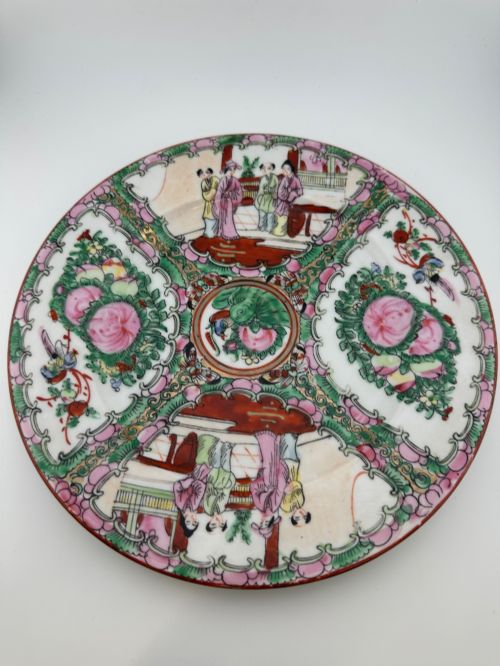
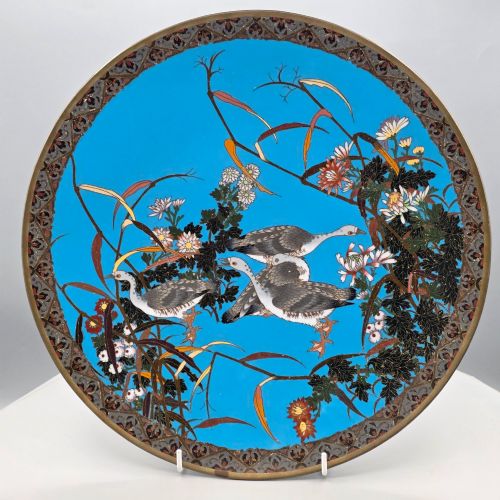
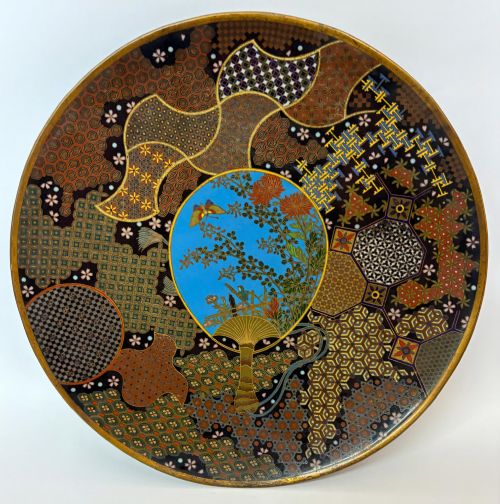
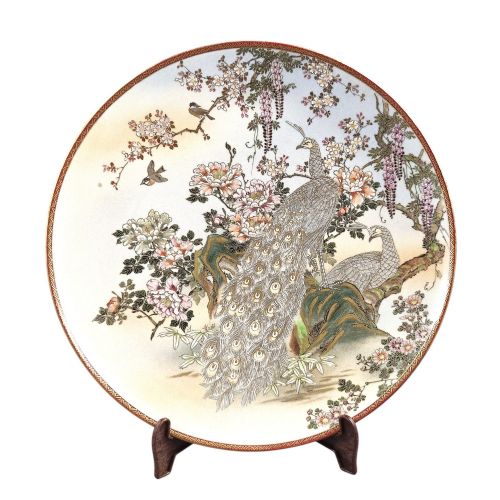
The selection on this page consists heavily of cloisonne enamel works alongside porcelain examples from Kutani, Satsuma, and Arita traditions. Forms range from compact square trays to large chargers measuring fifty centimetres across.
Motive work across these surfaces includes dragons, phoenixes, birds, and landscapes executed with distinct regional character. Buyers encounter items originating from production centres such as Nagoya alongside signed individual pieces.
What varies in quality
Quality rests upon the precision of the wirework and the complexity of the pictorial composition. Dense, multi-coloured wire arrangements depicting detailed figures or natural motifs distinguish superior examples from simpler geometric patterns.
Surface finish indicates the level of skill involved in the grinding and polishing stages of production. Even glazing without pitting or discoloration reveals greater control in the kiln.
Signatures by recognised workshops or individual makers elevate the standing of a piece within the field. The scale of the charger combined with ambitious subject matter marks the upper tier of surviving examples.
A leaping koi rendered in fine enamel wire manages to look perpetually startled by the surrounding chrysanthemums.
Kinkozan·Shozo
The Japanese Enamel Platter Glossary
- Cloisonne
- Enamel decoration created by soldering thin metal wire onto a metal base to form compartments for coloured paste. This technique allows intricate pictorial designs to be fixed permanently through firing.
- Charger
- A large decorative plate or dish intended for display on a wall or stand rather than for dining use. These substantial pieces provide a broad canvas for elaborate artistic scenes.
- Totai shippo
- A specific variant of cloisonne enamel where the metal base is replaced by porcelain or pottery. The wirework is applied directly to the ceramic body before enamelling.
- Moriage
- A decorative ceramic technique using clay applied in raised dots or lines to create texture before glazing and firing. This method adds tangible depth to painted subjects.
- Meiji period
- The era of Japanese history spanning from 1868 to 1912, known for intense artistic output and the opening of trade with the West. Many surviving decorative metalwares date from this period.
Japanese Enamel Platter: Frequently Asked Questions
How were japanese enamel platters displayed originally?
These decorative objects were traditionally exhibited on wooden stands or mounted on walls within reception rooms to display wealth and artistic appreciation. Their generous scale allowed guests to examine the fine detail from a distance.
Today, collectors use similar display methods, placing large chargers on sturdy metal or wooden brackets to protect the enamel surface while keeping the imagery visible.
What subjects appear on these pieces?
Common motifs include mythical creatures such as dragons and phoenixes alongside natural elements like wisteria, irises, and chrysanthemums. Narrative scenes featuring figures or landscapes also feature prominently across nineteenth-century examples.
Every design element carries symbolic meaning within Japanese tradition, often representing longevity, auspicious fortune, or natural harmony.
How do I care for a cloisonne tray?
Maintenance requires gentle dusting with a soft, dry cloth to prevent accumulation within the wire crevices. Moisture and harsh cleaning agents must be avoided to protect the metal and glass compounds.
Keeping the piece away from direct sunlight and sudden temperature changes preserves the integrity of both the enamel and the underlying metal foundation.
How can I tell the period of a piece?
Dating relies on stylistic shifts, material composition, and the complexity of the wirework used in the design. Earlier pieces often display bolder wire patterns and distinct colour palettes compared to later Meiji productions.
Signatures, when present, provide a direct link to specific workshops or eras, though many fine examples remain unsigned.