


Japanese Enamel Plate
When searching for a japanese enamel plate, collectors encounter metal and porcelain vessels carrying intricate historical motifs from nineteenth-century workshops.
Japanese Enamel Plate
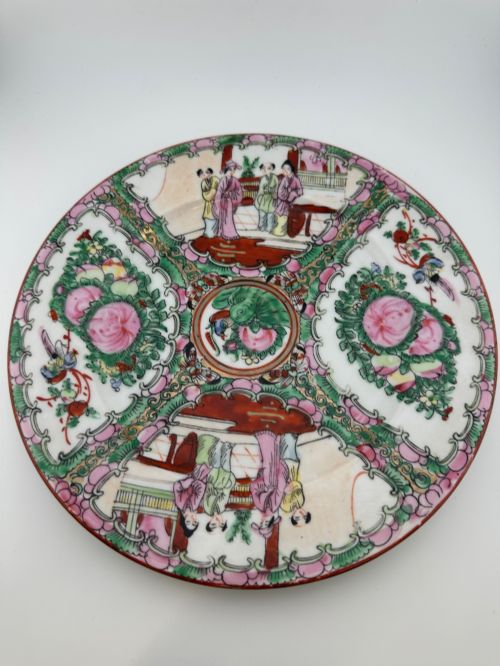
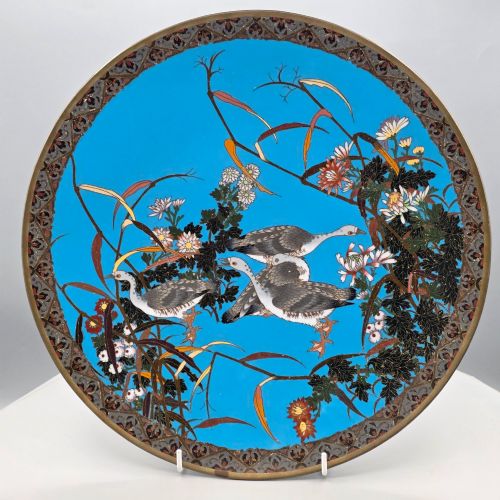
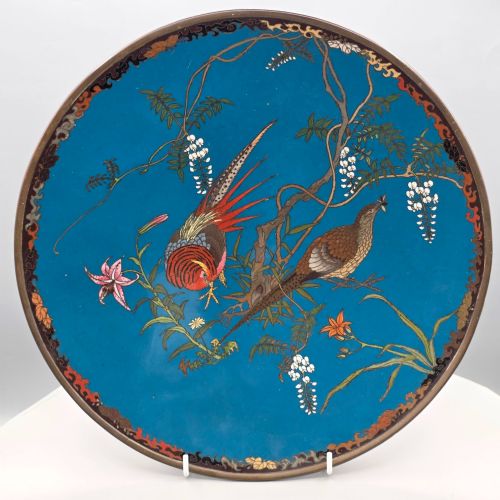
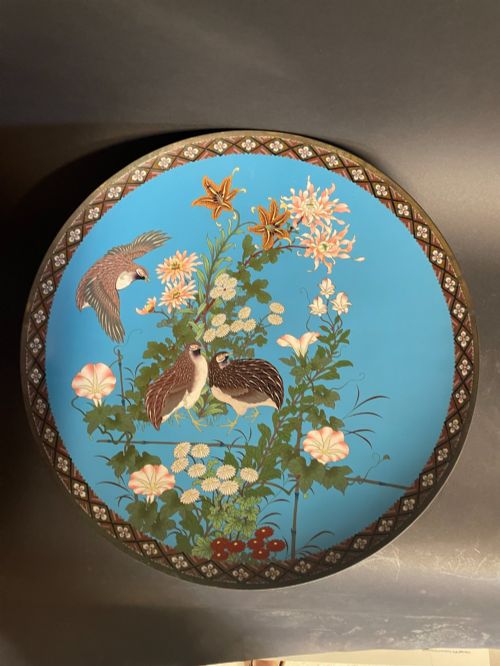
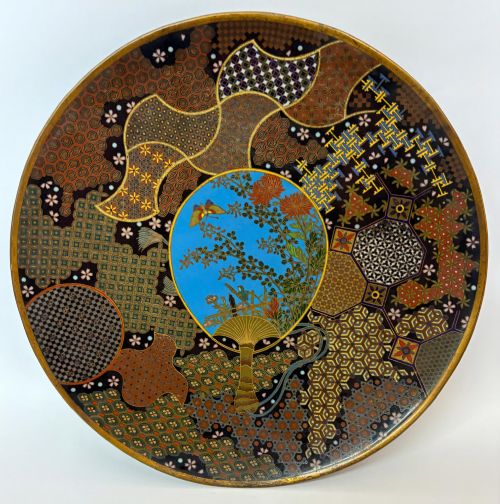
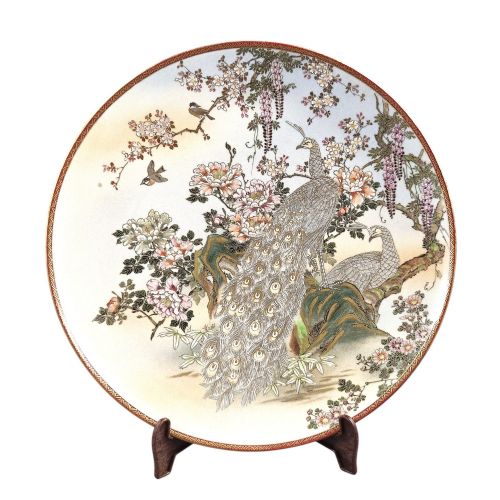
A japanese enamel plate brings together decorative chargers, medium plates, and square trays originating primarily from the Meiji period and late nineteenth century. These objects function as significant display pieces, often featuring detailed depictions of birds, dragons, and landscapes.
The selections span from large cloisonne chargers measuring over thirty centimetres across to smaller square trays and porcelain dishes. Examples range from early nineteenth-century symbolic designs to later Meiji output focused on naturalistic scenes.
How they were made
The construction relies heavily on copper, brass, and bronze bases combined with cloisonne enamel, where thin metal wires form individual cells to hold coloured pastes. Artisans also utilised porcelain and earthenware bodies, sometimes applying totai shippo techniques with enamel over a textured ceramic surface.
Firing and polishing processes allowed makers to achieve smooth, gleaming surfaces across complex pictorial compositions. Gilt details and hand-painted elements frequently complete the decoration on these vessels.
What varies in quality
The refinement of the wirework and the complexity of the pictorial subject matter separate standard items from superior pieces. Delicately rendered fauna, such as geese, koi, and ho-o birds, indicate advanced technical skill in the workshop.
Signature marks from noted makers and the absence of distortion in large metal or porcelain bodies reflect higher standards of production. The density and subtlety of the colour palette also distinguish finer examples.
Shuzan for Yasuda·Famous Meizan mark·Kinkozan
The Japanese Enamel Plate Glossary
- Cloisonne Enamel
- A metalwork technique where thin wires are soldered to a base to create compartments filled with enamel paste. This method allows for intricate multi-coloured designs.
- Totai Shippo
- A specific technique involving enamel applied over a porcelain or earthenware base, often mimicking textures like tree bark. It bridges ceramic and metalworking traditions.
- Meiji Period
- The era in Japanese history spanning from 1868 to 1912, noted for a surge in export arts and technical mastery in metalwork. Pieces from this time frequently display naturalistic motifs.
- Charger
- A large decorative plate or dish intended primarily for display rather than dining use. These pieces often feature the most elaborate artistic compositions.
- Moriage
- A type of raised ceramic decoration applied in dots or lines to create a tactile surface. It appears frequently on Satsuma wares from the nineteenth century.
Japanese Enamel Plate: Frequently Asked Questions
How do I display a large charger?
Large chargers are typically showcased on sturdy plate stands or mounted securely on walls using appropriate hardware designed for heavy items.
Positioning them away from direct sunlight helps preserve the vibrancy of the coloured enamels over time.
What is the difference between cloisonne and totai shippo?
Cloisonne utilises a metal base such as copper or brass with wire cells containing the enamel.
Totai shippo applies similar enamel and wire techniques directly onto a ceramic or porcelain body instead of metal.
How can I tell the period of a plate?
Dating relies on stylistic markers, materials, and workshop signatures associated with the Meiji period and Edo era.
Detailed pictorial themes like dragons and natural scenes often point toward late nineteenth-century production.
Are these plates meant for food use?
These decorative plates and chargers serve primarily as visual art objects rather than functional tableware.
Their delicate enamel surfaces and historical significance make them better suited for display.