



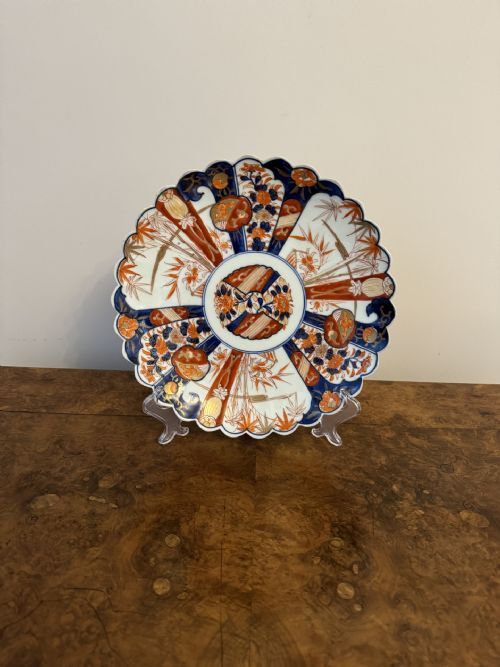
Japanese Decorative Porcelain Dishes
Japanese decorative porcelain dishes bring hand-painted narrative scenes and vibrant colour to a room through centuries of traditional craftsmanship.
Japanese Decorative Porcelain Dishes
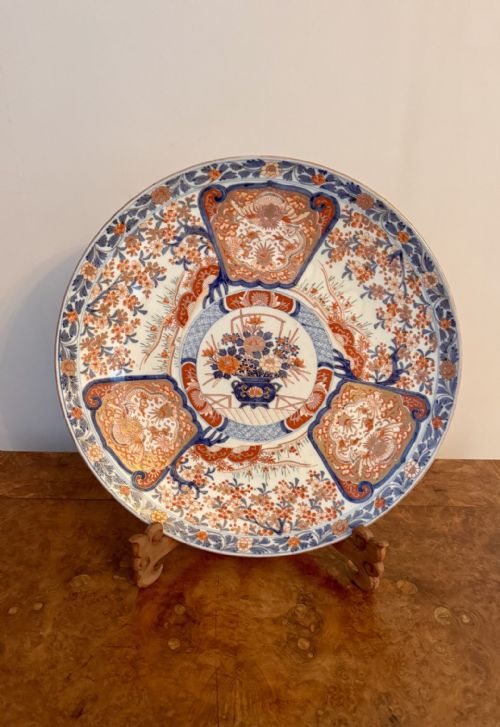
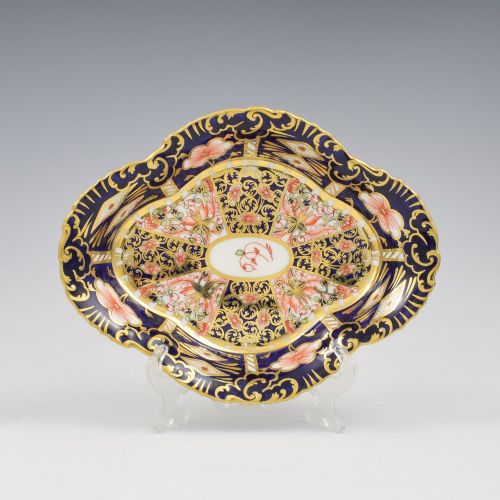
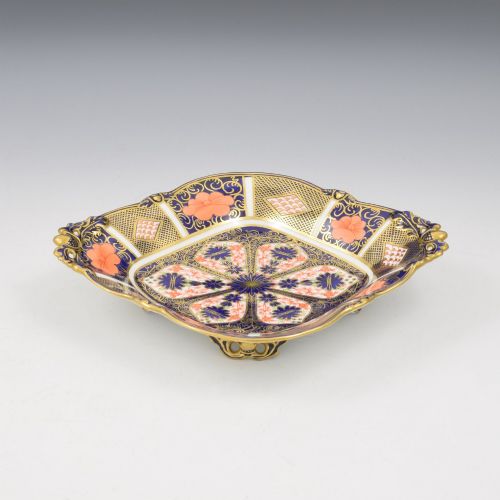
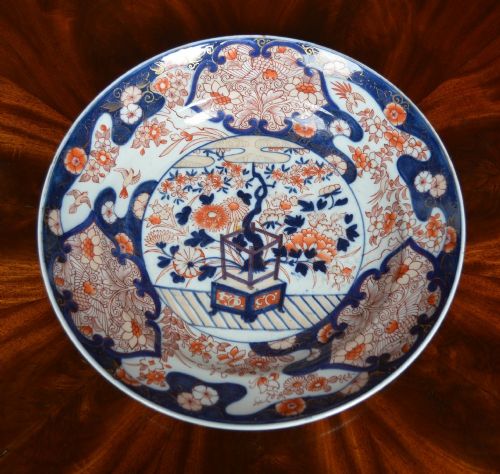
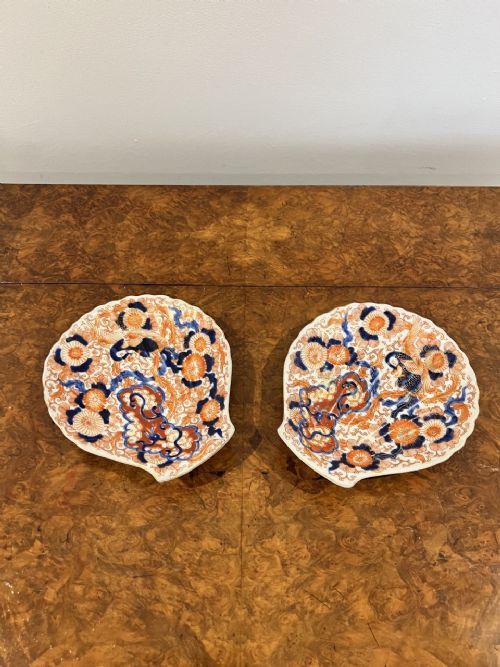
These pieces encompass a diverse range of plates, chargers, bowls, and serving trays produced across the nineteenth and early twentieth centuries. When searching for japanese decorative porcelain dishes, buyers encounter robust charger plates, delicate shell-shaped dishes, and deep bowls designed primarily for display. The selection spans the Meiji period alongside Victorian and Edwardian interpretations created under Eastern influence.
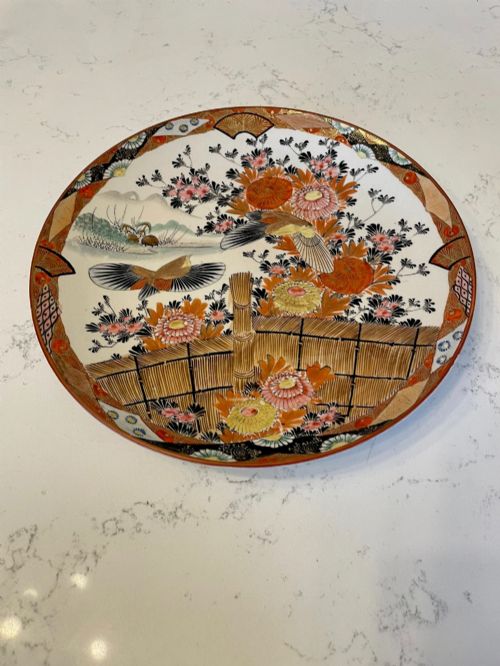
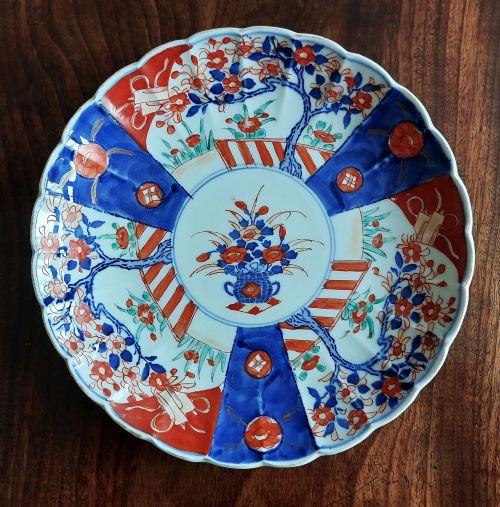
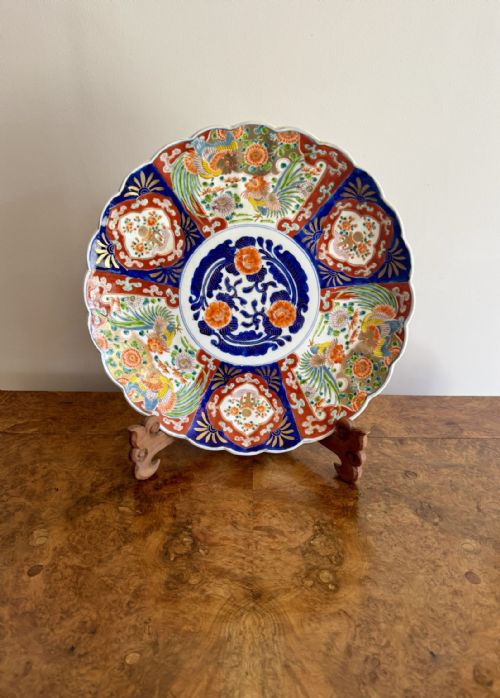
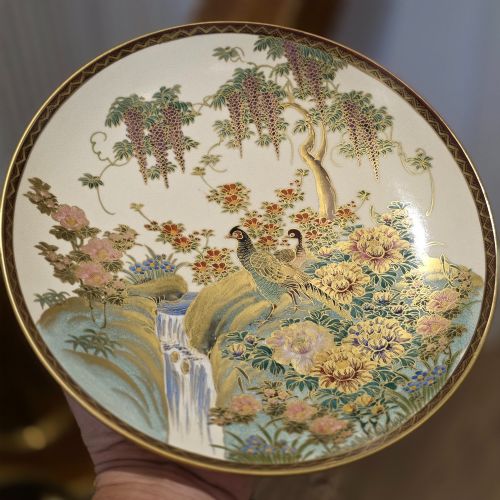
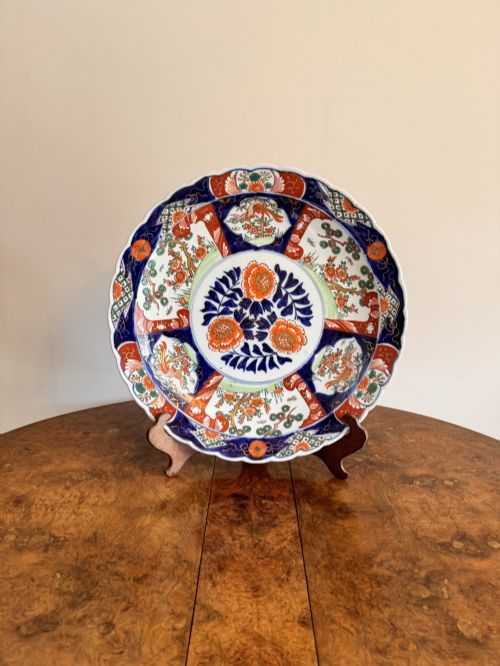
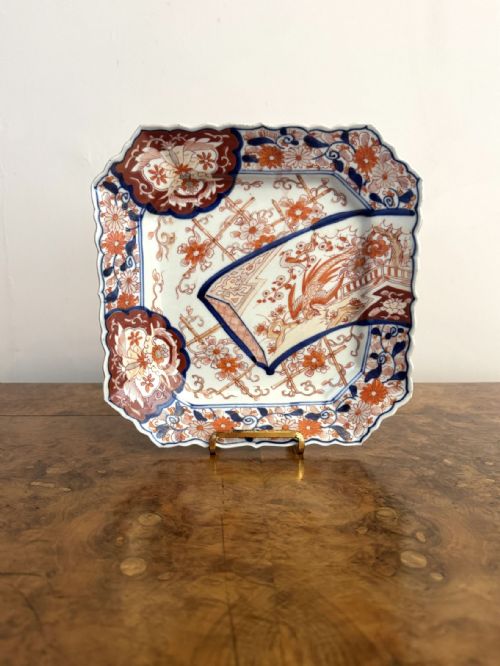
Imari wares dominate the available forms, typically featuring intricate blue and white underglazes accented with iron red and gilt highlights. Alongside these, buyers find Satsuma earthenwares adorned with elaborate moriage relief work and Kutani pieces showcasing detailed pictorial scenes of birds, flora, and deities. Scalloped edges, square profiles, and hexagonal contours frequently shape these decorative items.
Materials and Techniques
Potters shaped these items from refined porcelain and ceramic bodies before applying underglaze cobalt blues and vibrant overglaze enamels. Artisans frequently integrated gold leaf and heavy gilt detailing to catch the light across intricate floral and avian motifs. Specialised techniques included cloisonné-style enamelling on porcelain bases and raised moriage pastework that added tangible texture to surface designs.
Firing kilns transformed raw clay and mineral pigments into durable display plates and bowls capable of holding fine detail over generations. Hand-painted brushwork executed by skilled artisans ensured that every charger, dish, and tray displayed distinct individual character within established stylistic traditions.
The selection includes specialised forms such as scalloped plates, hexagonal bowls, pierced serving trays, and large display chargers.
Assessing Quality and Execution
Quality rests primarily in the precision of the hand-painted brushwork and the clarity of the underlying porcelain glaze. Superior examples display balanced compositions with crisp definition in floral, bird, and figural designs, whereas lesser items show hurried execution or muddy pigment application. The richness and preservation of applied gold leaf and overglaze enamels further distinguish masterworks from standard production pieces.
Structural complexity also dictates worth, with scalloped edges, moulded shell forms, and pierced serving trays requiring advanced forming skills from the potter. Signed works from notable artists demonstrate superior craftsmanship compared to unsigned export wares intended for broader commercial markets.
Kozan·Koshida
The Japanese Decorative Porcelain Dishes Glossary
- Imari
- A traditional Japanese export style characterised by a distinct palette of cobalt blue, iron red, and gold over white porcelain. These patterns heavily influenced subsequent European ceramic designs during the nineteenth century.
- Charger
- A large decorative plate utilised primarily for display on tables, sideboards, or walls rather than for serving food. Chargers often feature the most elaborate hand-painted narratives in a maker's output.
- Moriage
- A decorative ceramic technique utilising raised slip or enamel dots and lines to create a textured, three-dimensional surface relief. This method appears frequently on Satsuma wares depicting elaborate floral and avian scenes.
- Kutani
- A style of Japanese porcelain and pottery noted for its bold pictorial designs and extensive use of gold leaf and coloured enamels. Pieces often incorporate detailed depictions of nature and traditional figures.
- Aesthetic Period
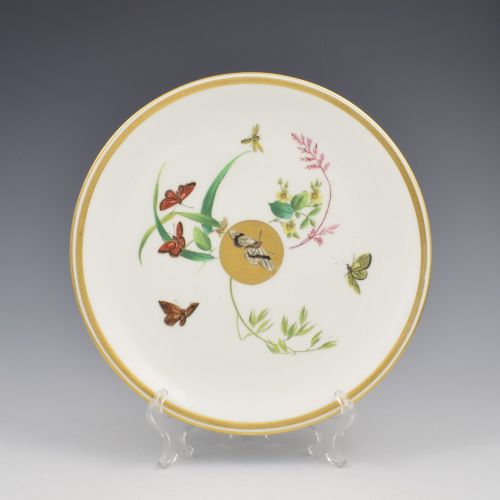
- A late nineteenth-century artistic movement that emphasised the incorporation of Japanese design motifs into Western decorative arts. Minton dessert plates from this era frequently integrated gilt sun and butterfly themes.
Japanese Decorative Porcelain Dishes: Frequently Asked Questions
How do I display heavy ceramic chargers safely?
Large chargers require sturdy wall hangers specifically rated for heavy porcelain or secure plate stands with adequate depth. Position them away from high-traffic areas to prevent accidental contact.
Ensure that wire or spring-loaded hangers distribute the weight evenly across the rim without putting pressure on hairline cracks or fragile edges.
Were these items meant for daily dining?
Most of these pieces served decorative and display functions rather than practical dining use, particularly large chargers and heavily gilded plates. Their delicate overglaze enamels and gold leaf were prone to wear from cutlery.
Smaller bowls and plates occasionally saw use during ceremonial gatherings, but surviving examples in pristine condition were preserved primarily as ornamental objects.
How do I distinguish Imari from Satsuma?
Imari pieces utilise a hard porcelain body decorated in vibrant blue, iron red, and gold with a resonant ringing tone when tapped. Satsuma items are typically earthenware with a distinctive crackle-glaze finish and often feature raised moriage relief work.
Examining the underside and weight of the vessel helps clarify the distinction between these two major Japanese traditions.
Can I clean antique enamel and gilt surfaces?
Dust these items gently with a dry, soft brush or a microfiber cloth to prevent accumulation in recessed carved areas. Avoid using water, abrasive cloths, or chemical cleaning agents on overglaze enamels and gold leaf.
Moisture can penetrate older ceramic bodies or degrade delicate nineteenth-century pigments, so dry maintenance remains the safest approach.