


Japanese Decorative Enamel Plate
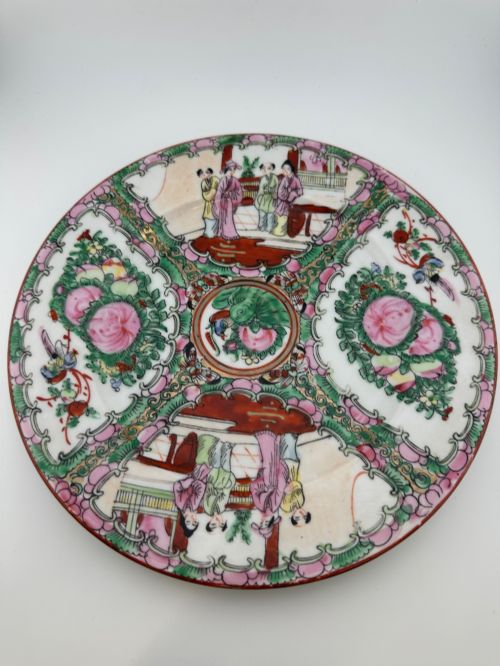
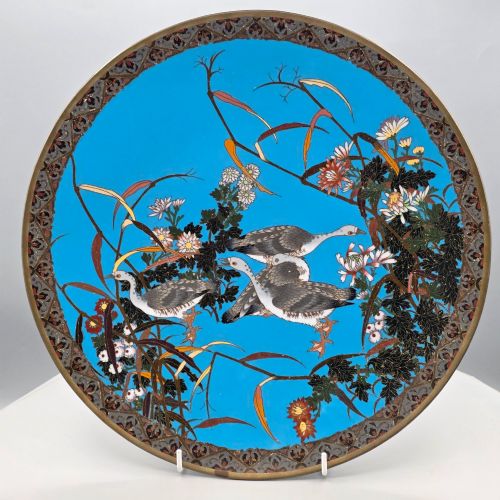
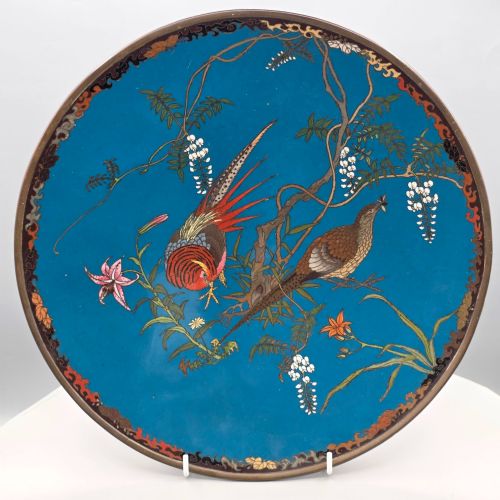
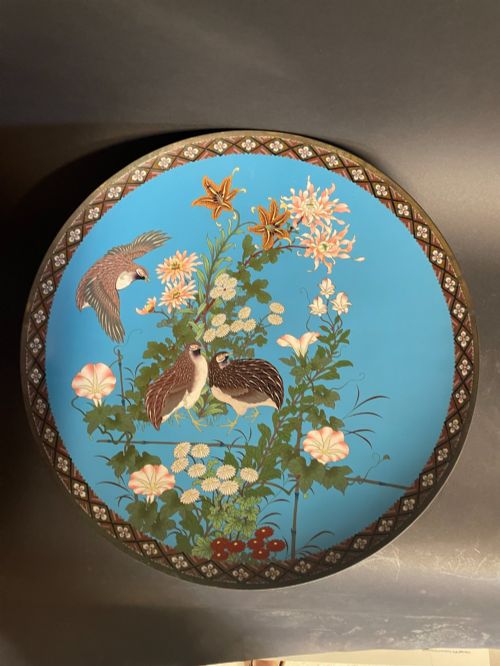
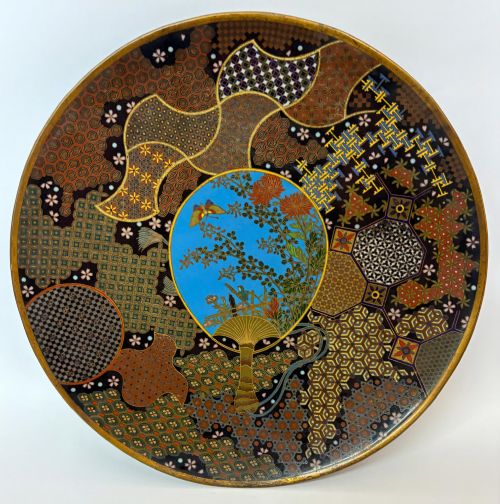
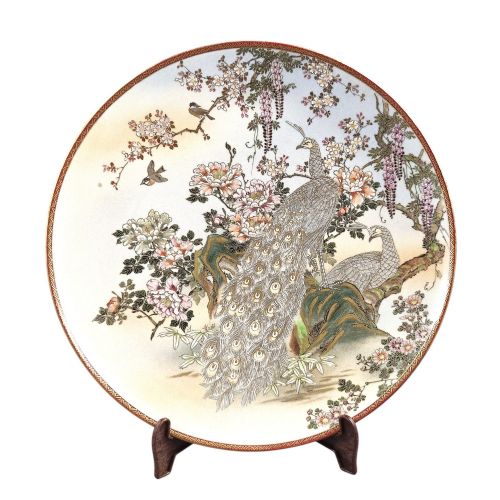
When you search for a japanese decorative enamel plate, you find intricate works from the nineteenth century featuring detailed birds, dragons, and natural scenes.
Japanese Decorative Enamel Plate
Makers often decorated the surfaces with pictorial subjects such as phoenixes, dragons, koi, and landscapes, alongside floral motifs like chrysanthemums and peonies.
The objects span production dates from the mid-nineteenth century through to the early twentieth century, reflecting shifts in craftsmanship across several decades.
How They Were Made
Artisans built these pieces upon metal bases of copper or brass, occasionally utilising porcelain cores known as Totai Shippo. They applied coloured vitreous enamels into cells formed by thin metal wires soldered to the body.
The loaded metal forms underwent successive firings in kilns to fuse the glass paste, followed by extensive grinding and polishing to achieve a smooth finish.
A leaping koi or an owl staring down from a branch might suddenly gaze back from your wall.
What Varies In Quality
The precision of the metal wirework dictates much of the visual standard, with finer lines permitting more complex pictorial detail. Artisans who achieved absolute uniformity in cell creation produced sharper imagery.
Depth of colour and subtlety in tonal shading distinguish standard decorative output from works bearing artist signatures or workshop marks.
Meizan·Kinkozan
The Japanese Decorative Enamel Plate Glossary
- Cloisonné enamel
- A metalworking technique where flat wire is soldered to a base to create compartments for enamel paste.
- Charger
- A large decorative plate or platter intended for display on a wall or stand rather than for dining.
- Totai Shippo
- A specific Japanese technique involving cloisonne enamelling applied directly over a porcelain body.
- Meiji Period
- The era in Japanese history spanning from 1868 to 1912, noted for significant developments in decorative arts for export.
- Mon
- A traditional Japanese heraldic emblem or badge used to identify families, clans, or governmental bodies.
Japanese Decorative Enamel Plate: Frequently Asked Questions
How were these plates displayed originally?
Owners typically exhibited large chargers on wooden stands or mounted them directly onto walls to showcase the pictorial enamel designs.
Smaller plates and trays often sat on cabinet surfaces or tables for close inspection by guests.
What subjects appear most frequently?
Natural motifs dominate the decoration, including birds such as phoenixes, cranes, and geese, alongside aquatic life like koi.
Mythological figures, dragons, and detailed landscapes also feature prominently across nineteenth-century examples.
How do I identify the period?
Objects originating from the mid-nineteenth century often align with the late Edo period, displaying robust metal foundations and traditional motifs.
Later pieces from the Meiji era frequently demonstrate finer wirework and more complex pictorial shading.
Are these items fragile?
The fused glass enamel surfaces require careful handling to prevent chipping or cracking from impact against hard surfaces.
Normal indoor placement away from moisture and extreme temperature shifts preserves the metal and enamel integrity.