







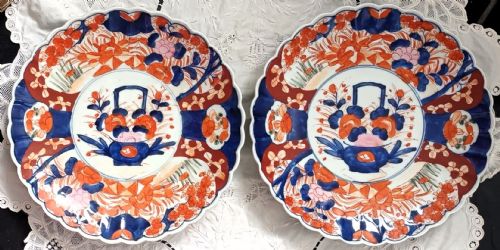
Japanese Ceramic Wall Dish
A japanese ceramic wall dish brings rich hand-painted colour and intricate traditional decoration straight into a room.
Japanese Ceramic Wall Dish
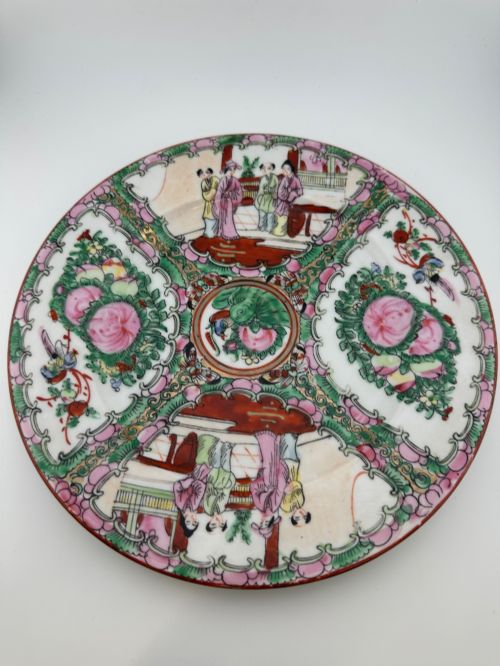
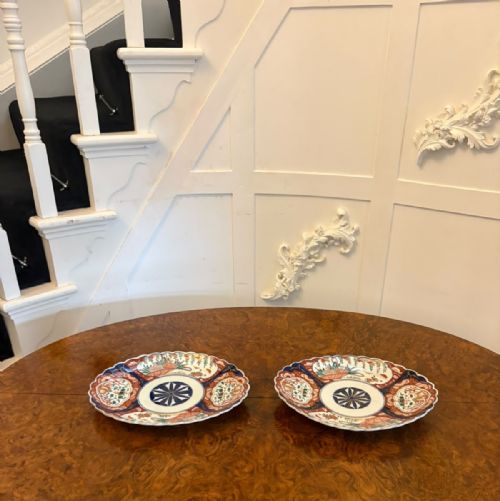
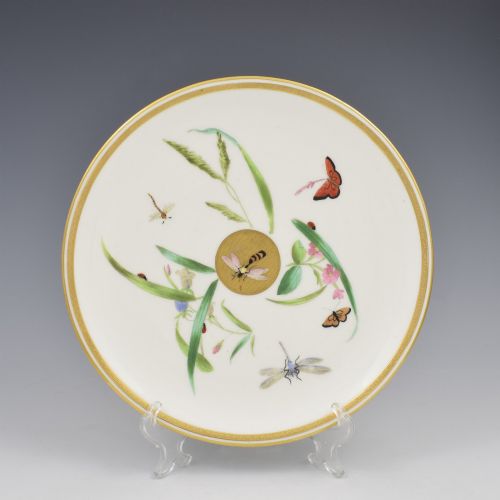
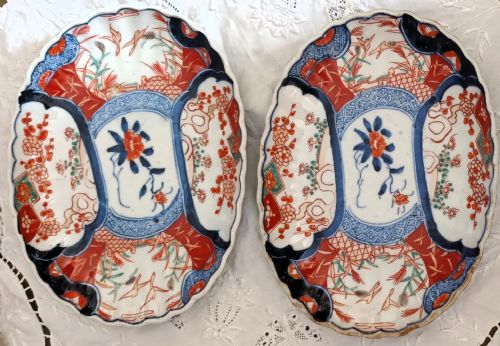
A japanese ceramic wall dish typically takes the form of a large decorative charger, plate or oval dish intended for display. The pieces span from the mid nineteenth century through the Meiji period and into the early twentieth century.
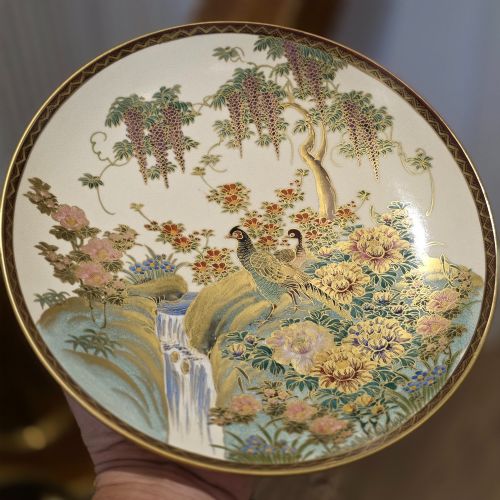
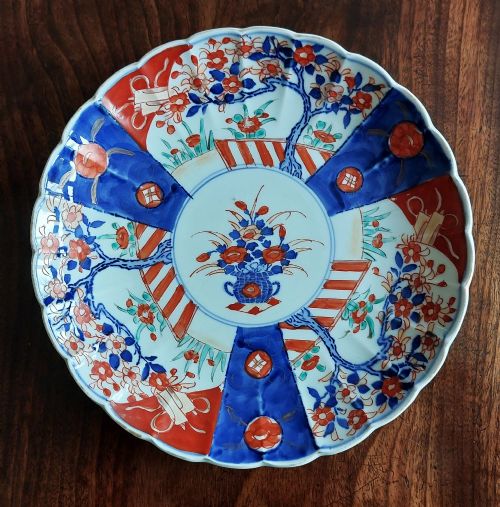
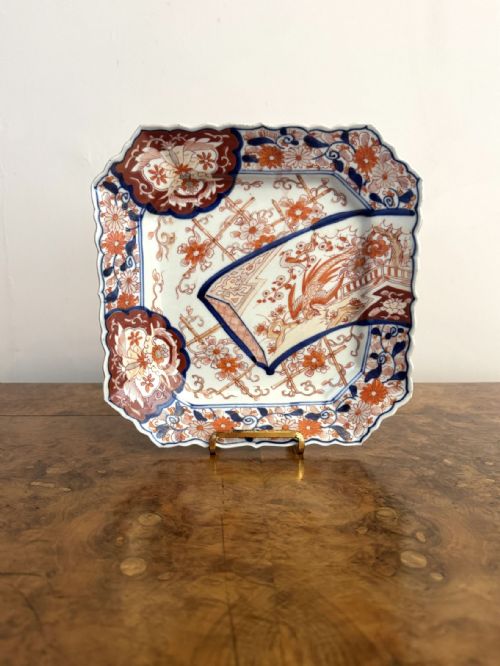
Most examples encountered here belong to the Imari style, alongside Satsuma, Kutani and Arita wares. Makers created these items in matched pairs, sets or as substantial single chargers for hanging or cabinet display.
How they were made
Potters shaped porcelain and earthenware bodies before applying cobalt underglaze pigments and rich overglaze enamels. Artisans frequently integrated gold leaf and gilt highlights to enrich the painted surface.
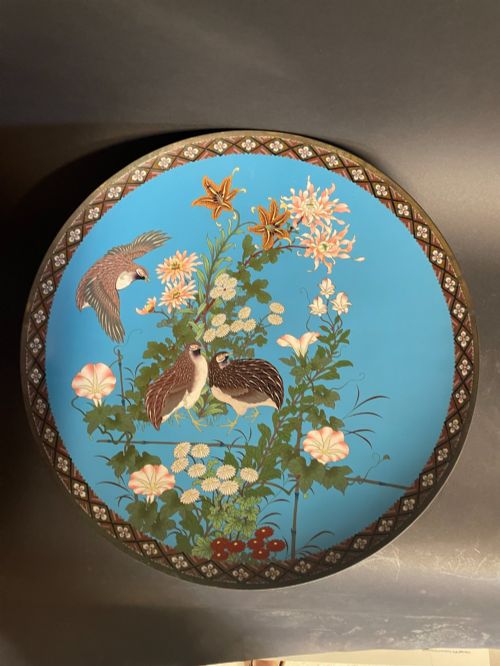
Specialised techniques included moriage relief work and totai shippo cloisonne applied over ceramic or tree bark bases, demanding high kiln temperatures and precise brushwork.
The selection includes individual cabinet plates, matched pairs, and extensive sets of matching Imari plates.
What varies in quality
Quality rests upon the crispness of the hand-painted brushwork and the complexity of the composition, particularly where birds, figures or deities appear. Superior pieces display deep, vibrant underglaze blues and precise enamel placement without smudging.
The weight and finish of the ceramic body, alongside the lavishness of the gilding and any specialised relief work, separate standard decorative output from exceptional archival examples.
Koshida
The Japanese Ceramic Wall Dish Glossary
- Imari
- A traditional Japanese porcelain style characterised by a palette of cobalt blue, iron red, and gold. This ware was widely produced for export from the town of Arita.
- Satsuma
- Earthenware pottery featuring a fine crackle glaze decorated with elaborate polychrome enamels and raised gilt work. The style became immensely popular during the Meiji period.
- Meiji Period
- The era of Japanese history spanning from 1868 to 1912, noted for a massive surge in decorative arts created for Western export markets.
- Charger
- A large decorative plate primarily used for display on walls or furniture rather than for dining purposes.
- Moriage
- A Japanese ceramic technique where slip is piped onto the surface to create raised decorative patterns before firing.
Japanese Ceramic Wall Dish: Frequently Asked Questions
How do I hang a heavy charger safely?
Use a specialised spring-loaded wall plate hanger sized correctly to the diameter of the dish. Ensure the mounting hook is secured directly into wall studs or uses an appropriate wall anchor.
Avoid wire-based adhesives attached to the reverse, as historical ceramic bodies and glazes can be delicate.
Were these dishes meant for dining?
Most of these large dishes and chargers served purely decorative purposes for display in homes and reception rooms. Their intricate enamel and gilt work was not designed for daily culinary use.
Smaller plates in sets occasionally saw light service, but the larger chargers were exhibition pieces from creation.
How do I distinguish Imari from Satsuma?
Imari pieces use a hard porcelain body with deep underglaze blues and vibrant iron-red enamels. They often feature crisp geometric and floral motifs.
Satsuma pieces utilise a cream-coloured earthenware body with a characteristic fine crackle glaze, painted with dense figurative scenes and heavy gold relief.
Can I clean my ceramic wall dish with water?
Dust the surface gently with a soft, dry brush or microfiber cloth to remove everyday particles. Avoid submerging historical pieces in water, particularly earthenware with exposed or crackled glazes.
Moisture can seep into old bodies or destabilise delicate overglaze enamels and gold leaf.