


Cream Ceramic Charger
These cream ceramic charger selections bring substantial presence to a room, offering historic surface interest and generous proportions.
Cream Ceramic Charger
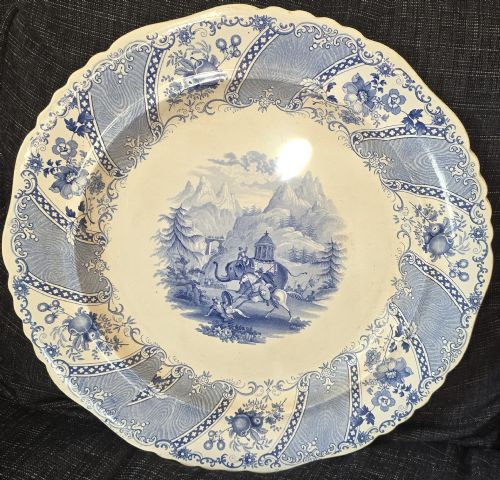
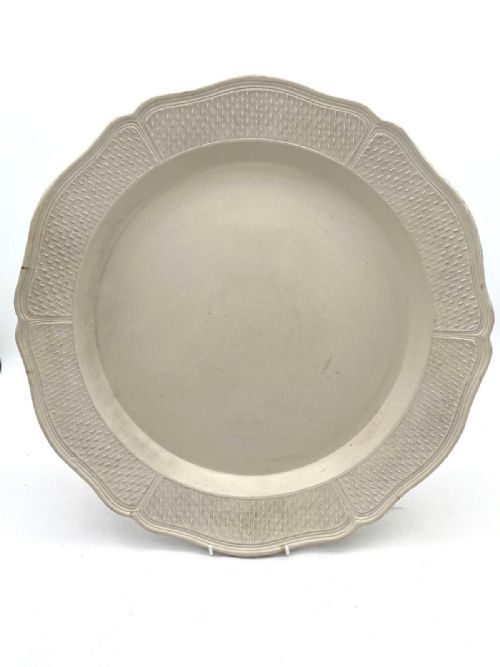
A cream ceramic charger stands as a large foundational display piece, historically deployed beneath smaller service vessels or mounted for pure display. When exploring cream ceramic charger examples, buyers encounter substantial earthenware and porcelain forms developed across centuries of European and Asian production.
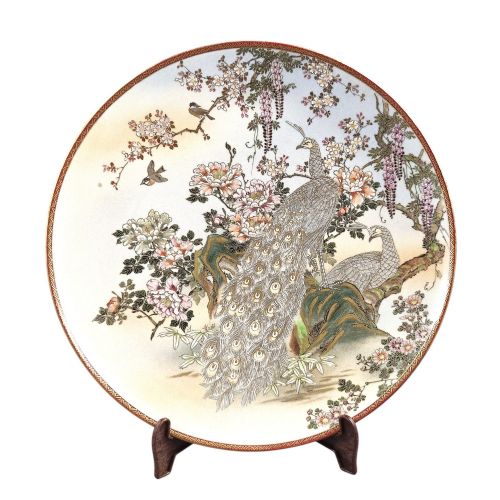
The pieces appearing in this category span significant periods, ranging from eighteenth-century English creamware through nineteenth-century Japanese Satsuma and Meiji period porcelain. Forms vary from silver-shaped platters to deep bowls and wide decorative plates.
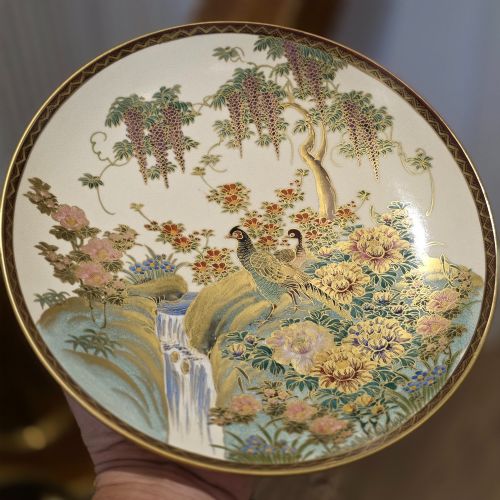
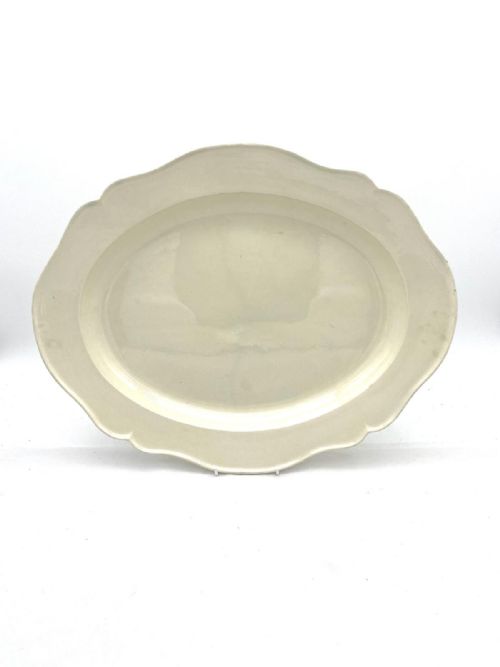
English creamware specimens from the Georgian era sit alongside intricate Japanese Kutani and Satsuma wares adorned with hand-painted enamel and gilt. Each object reflects the distinct ceramic traditions of its origin, whether European lead-glazed earthenware or Eastern stoneware.
Materials and construction
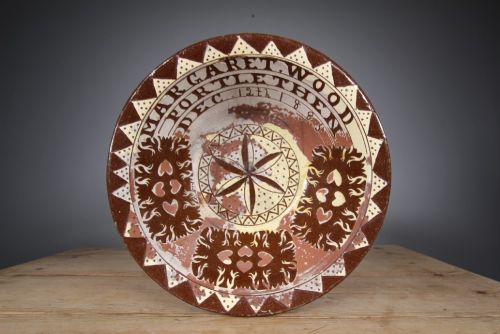
Potters shaped these large chargers using earthenware, stoneware, and porcelain bodies, applying lead glazes and enamel finishes to seal the ceramic base. Surface decoration frequently incorporates hand-painted pigments, slipware trails, and applied gold leaf or gilt details.
Kiln firing techniques determined the durability of the body, while specialised glazing methods produced the characteristic cream or off-white tones seen on eighteenth-century English vessels. Specialised workshops utilised stamped makers' marks and intricate moriage relief work to finish the ceramic surface.
Listings incorporate earthenware, porcelain, and stoneware materials spanning the eighteenth, nineteenth, and early twentieth centuries.
Judging quality and execution
Quality reveals itself in the crispness of the hand-painted enamel work, the uniformity of the glaze, and the structural integrity of large ceramic bodies fired without excessive warping. Superior examples display refined brushwork and balanced pictorial compositions across wide diameters.
The handling of the clay body, from the thinness of a porcelain dish to the weight of a saltglazed charger, marks the distinction between standard production and masterwork output. Provenance, visible signatures, and the preservation of delicate gilt or gold leaf details elevate individual pieces.
Seaton Pottery·Copeland·Bursley Ware
The Cream Ceramic Charger Glossary
- Creamware
- A fine-grained earthenware developed in eighteenth-century England, characterised by a pale yellowish-cream lead glaze. It provided a lighter, refined alternative to heavier traditional saltglazed wares.
- Charger
- A large decorative or service plate exceeding standard dining diameters, traditionally displayed on sideboards or hung upon walls. These pieces serve as focal points due to their generous surface area.
- Slipware
- Pottery decorated with a thin mixture of clay and water applied before firing, creating raised linear patterns. This technique appears widely in traditional folk art ceramics.
- Saltglaze
- A ceramic finish achieved by throwing common salt into the kiln during high-temperature firing, producing a pitted texture resembling orange peel. This durable glaze seals stoneware bodies effectively.
Cream Ceramic Charger: Frequently Asked Questions
What is a cream ceramic charger used for?
These large plates served historically as decorative bases for dining service or as standalone display items on walls and dressers. Their broad surfaces made them ideal canvases for detailed narrative painting and heraldic display.
Today, collectors use them to anchor a room's decorative scheme, mounting them securely or resting them upon plate stands to highlight their historic glazes and painted scenes.
How do I date a ceramic charger?
Dating relies on examining the ceramic body, glaze characteristics, and any visible maker marks or workshop stamps stamped to the underside. Eighteenth-century pieces often show distinct creamware potting traits, while Meiji period items display characteristic Japanese enamel palettes.
Comparing potting styles, foot ring construction, and decorative motifs against documented kiln output helps narrow the period of manufacture.
How should I display a large charger safely?
Displaying these substantial pieces requires sturdy wall brackets or dedicated plate hangers designed to distribute the weight evenly across the ceramic rim and base. Placing them away from high-traffic zones prevents accidental knocks.
If positioned on a mantelpiece or sideboard, ensure the supporting stand is wide and stable enough to hold the heavy earthenware or porcelain securely.
How do I tell English creamware from Japanese porcelain?
English creamware utilises a refined earthenware body with a characteristic warm, buttery lead glaze designed to emulate fine tableware. Japanese porcelain and stoneware pieces from the Meiji period employ denser white or grey bodies with distinct enamel and gilt palettes.
Weight, ring sound when tapped gently, and painting style immediately separate European earthenware traditions from nineteenth-century Japanese studio output.