


Japanese Ceramic Lidded Jar
A japanese ceramic lidded jar is a practical container carrying centuries of kiln tradition, prized for dense cobalt painting and rich surface gilding.
Japanese Ceramic Lidded Jar
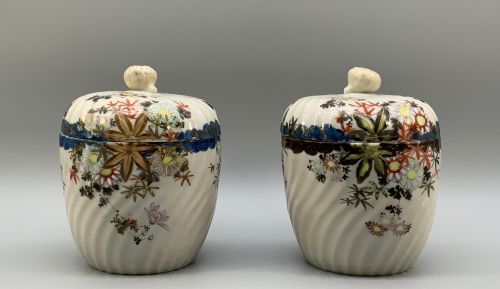
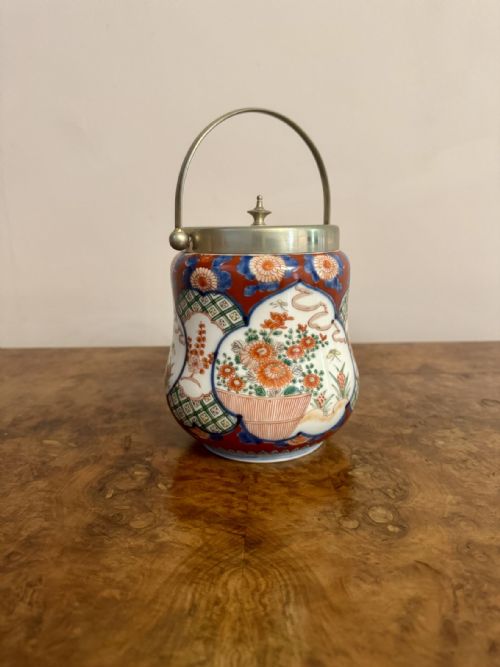
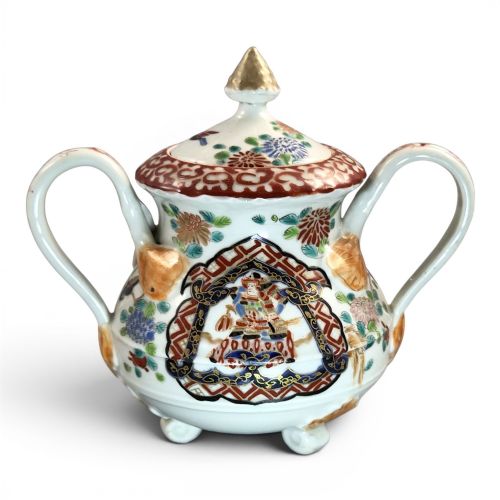
A japanese ceramic lidded jar bridges utilitarian storage and ornamental display, taking forms such as ginger jars, biscuit barrels, and sugar bowls. The pieces seen here span centuries of production, appearing in domestic contexts alongside larger vases and urns.
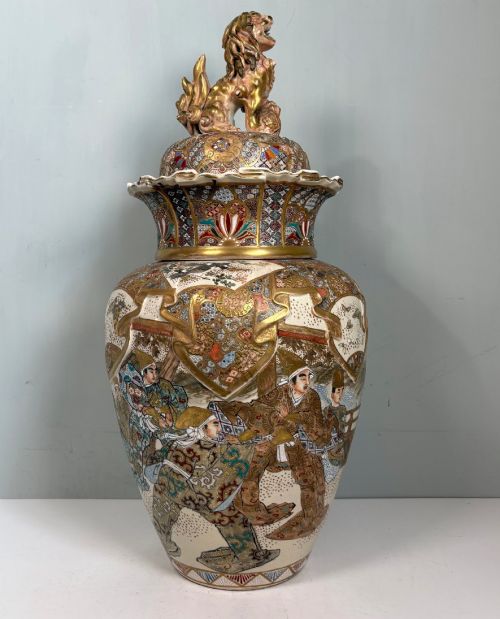
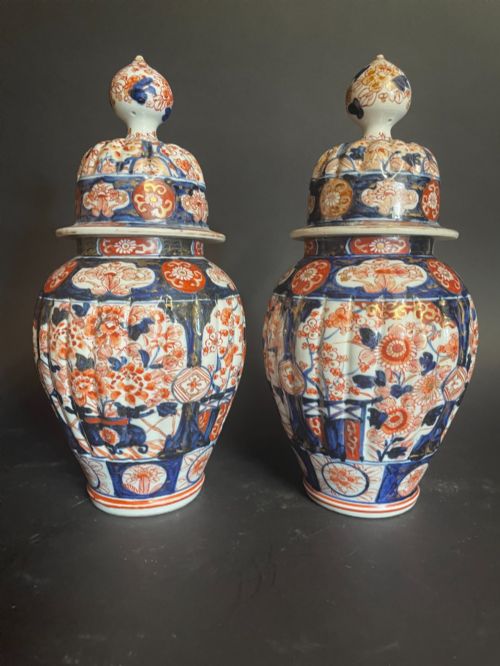
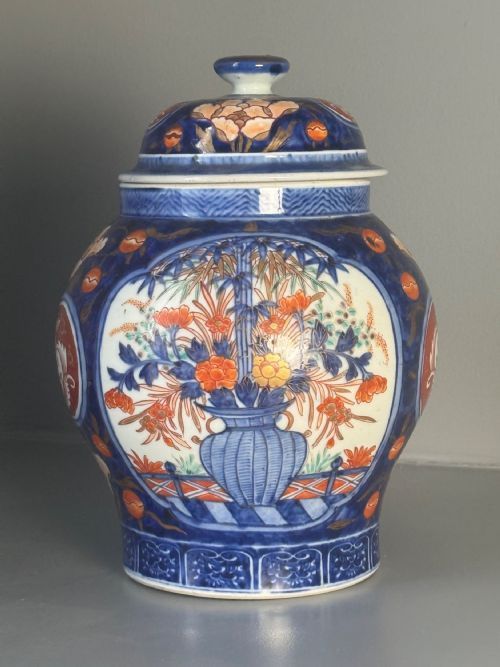
Imari and Satsuma palettes dominate the selection, showing distinct decorative traditions from the Edo and Meiji periods. Buyers encounter matching pairs as well as single vessels, often finished with robust covers designed to fit snugly over wide rims.
Materials and Construction
Potters shaped these vessels from dense porcelain and earthenware bodies, throwing them on wheels or forming them in moulds before applying underglaze blue and overglaze enamel colours. Gold leaf and heavy gilding frequently highlight the painted surfaces, catching the light across panels of floral and figural motifs.
Kiln firing fused the vibrant glazes into hard, glassy finishes that protect the delicate pigments beneath. Artisans added silver plate mounts or refined silver elements to specific vessels, complementing the bright ceramic glazes.
Samurai warriors painted on porcelain jars often gaze past fierce dragons straight into your living room.
Distinctions in Quality
The sophistication of the hand-painted detail separates standard decorative items from superior works, particularly where samurai figures or intricate brocade patterns are rendered with precise brushwork. Crisp definition in the cobalt blue and clean application of gold leaf indicate careful studio production.
Proportion and the harmonious balance between jar and cover dictate the visual success of each piece. Heavier, well-balanced porcelain bodies with intact lids demonstrate the original maker's skill and subsequent careful preservation.
Fukagawa Mark·Shozan Kyoto Studio
The Japanese Ceramic Lidded Jar Glossary
- Imari
- A traditional Japanese porcelain style originating in Arita, distinguished by a palette of underglaze blue, iron red, and gold. This decorative scheme became immensely popular across Europe during the nineteenth century.
- Satsuma
- An earthenware ceramic type featuring a crackle-glaze finish, typically decorated with elaborate polychrome enamels and raised gilding. Kyoto studios produced many fine examples during the Meiji period.
- Ginger Jar
- A high-shouldered ceramic vessel originally used to store spices, finished with a domed lid. These forms transitioned into purely ornamental objects in Western interiors.
- Baluster
- A vase profile featuring a rounded lower body that tapers towards a narrow neck and flares slightly at the rim. This shape provides a stable base for detailed surface painting.
- Koro
- A traditional Japanese incense burner fitted with a pierced cover to allow fragrant smoke to escape. These ritual vessels often stand on three small feet.
Japanese Ceramic Lidded Jar: Frequently Asked Questions
What were japanese ceramic lidded jars used for?
These vessels originally served practical functions in households, holding dry goods, tea, ginger, or spices within sealed containers. Over time, European collectors repurposed them as purely decorative garniture pieces for mantelpieces and cabinets.
Today, their robust construction allows them to continue holding small items or stand alone as sculptural focal points in a room. Their covered forms keep contents protected from dust and light exposure.
How do I date a japanese ceramic lidded jar?
Dating relies on stylistic markers, such as the vibrant cobalt and iron-red palette associated with Edo production or the dense polychrome enamels typical of the Meiji period. Specific studio marks stamped or painted on the base also help narrow down the period.
Examining the weight of the porcelain or earthenware body and the texture of the glaze provides further clues. Earlier pieces often display distinct potting techniques and foot-rim characteristics compared to later Victorian imports.
Are these jars waterproof?
While the glazed porcelain bodies are generally impermeable to liquid, antique earthenware versions like Satsuma wares feature a crackle glaze that can absorb moisture. It is advisable to use a hidden glass insert if displaying fresh flowers inside an antique jar.
Historical kiln firings varied in temperature, meaning older earthenwares require gentle handling when exposed to damp environments. Dry storage ensures the preservation of fragile surface gilding and enamel work.
How do I care for antique ceramic jars?
Dusting these vessels with a soft, dry brush prevents particulate accumulation without risking the delicate overglaze enamel or gold leaf. Avoid using commercial cleaning liquids or submerging pieces with metallic mounts in water.
Displaying the jars away from direct sunlight protects the pigments from fading over time. Ensuring a stable shelf position prevents accidental falls that could damage the matching lids.