



Japanese Bird Charger
These Japanese bird charger pieces combine intricate metalwork and porcelain traditions, offering collectors striking avian imagery from the Meiji and Edo periods.
Japanese Bird Charger
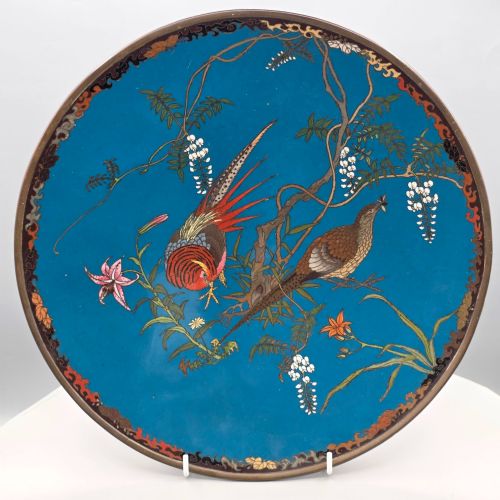
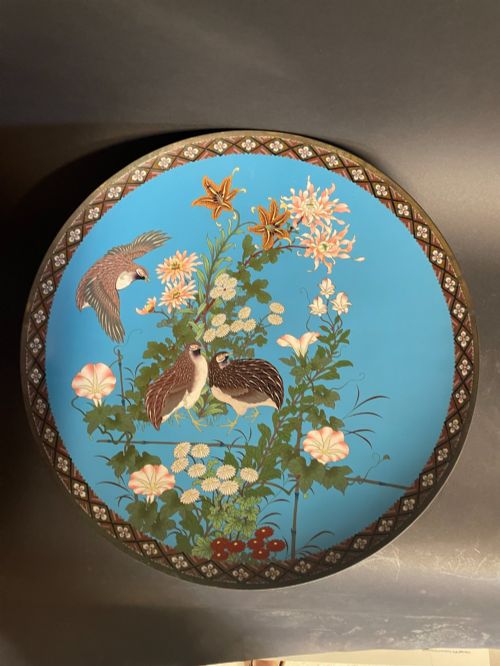
A japanese bird charger brings large-scale decorative presence to a room, frequently taking the form of a broad dish, tray, or plaque. These pieces display distinct avian subjects, ranging from exotic birds and house sparrows to owls, ibises, and mythical ho-o birds or phoenixes.
The selections you encounter span multiple decades and centuries, with a strong representation of Meiji period works alongside Edo period imari and later porcelain. Makers utilised diverse formats, from octagonal trays to expansive round plates measuring up to fifty centimetres across.
Originating primarily from traditional Japanese artistic centres, these items serve as decorative wall plaques or table displays. The combination of avian motifs with natural elements like Mt Fuji, tree bark, or floral branches defines the visual character of the group.
How they were made
Cloisonne enamel pieces utilise fine copper or brass wire soldered to a metal base to form cells, which are then filled with coloured enamel pastes and fired. Craftsmen also applied cloisonne techniques to porcelain bases, known as totai shippo, sometimes incorporating tree bark effects or cinnabar lacquer.
Porcelain examples rely on hand-painted glazes, particularly in the blue and white Imari tradition or Kutani style. Artisans combined cobalt pigments, gold gilt, and enamel paints directly onto the ceramic surface before high-temperature firing.
The listings span the eighteenth, nineteenth, and early twentieth centuries, featuring Edo and Meiji periods alongside Qing Dynasty works.
What varies in quality
The standard of execution in wirework and enamelling separates standard decorative items from exceptional examples. Finer pieces demonstrate precise cell work, smooth enamel polishing without pitting, and intricate detailing in the feathers and backgrounds of the bird motifs.
Artistic complexity and scale also drive distinction, with larger chargers carrying detailed scenery, such as Mount Fuji or multiple phoenixes, requiring greater technical mastery. Signed pieces and those utilising unusual materials like totai shippo or cinnabar lacquer represent the upper tier of production.
The Japanese Bird Charger Glossary
- Charger
- A large ornamental plate or platter designed for display rather than table service. These substantial vessels provide a wide canvas for detailed pictorial scenes.
- Cloisonne
- A metalworking technique where thin wires are soldered to a body to create compartments for enamel paste. The object is then fired and polished to a smooth finish.
- Imari
- A style of Japanese porcelain originating from Arita, traditionally characterised by underglaze blue and contrasting overglaze red, green, and gold. These ceramics were widely exported during the Edo and Meiji periods.
- Totai Shippo
- A specific method where cloisonne enamels are applied directly onto a porcelain body rather than metal. This technique creates a translucent or textured surface resembling traditional metal-based cloisonne.
- Ho-o
- A mythical Chinese and Japanese phoenix representing fire, sun, and justice. It appears frequently in Meiji art with elaborate tail feathers and an expressive crest.
- Kutani
- A style of Japanese coloured porcelain known for bold palettes and pictorial designs. Kutani wares often feature detailed bird and floral compositions.
Japanese Bird Charger: Frequently Asked Questions
How were these chargers used historically?
These large vessels were primarily created for display in domestic interiors rather than for serving food. Wealthy households placed them on stands or hung them on walls to showcase fine craftsmanship.
Over time, they became key decorative objects in both Japanese and Western reception rooms, valued for their vibrant visual impact and narrative scenes.
How do I identify a Meiji period piece?
Meiji period items, produced between eighteen sixty-eight and nineteen twelve, often display highly intricate cloisonne work and dynamic natural subjects. Artisans during this era pushed technical boundaries to create larger and more detailed decorative plates.
Look for refined wirework, sophisticated colour gradients in the enamel, and occasional maker signatures on the reverse or base.
What is totai shippo?
Totai shippo refers to porcelain pieces decorated using cloisonne enamel techniques instead of traditional ceramic glazes. The wire cells are applied directly onto the fired porcelain body before being filled with enamel.
This hybrid method combines the weight and resonance of ceramic with the tactile, metallic cell structure of cloisonne.
How do I care for an antique charger?
Keep these items out of direct sunlight to prevent the enamel colours or painted glazes from fading over time. Dust them gently with a soft, dry cloth without applying chemical cleaning products.
Ensure that any wall-mounting hardware or display stands are secure and properly sized to support the weight of larger copper or porcelain pieces.