


Japanese Arita Vase
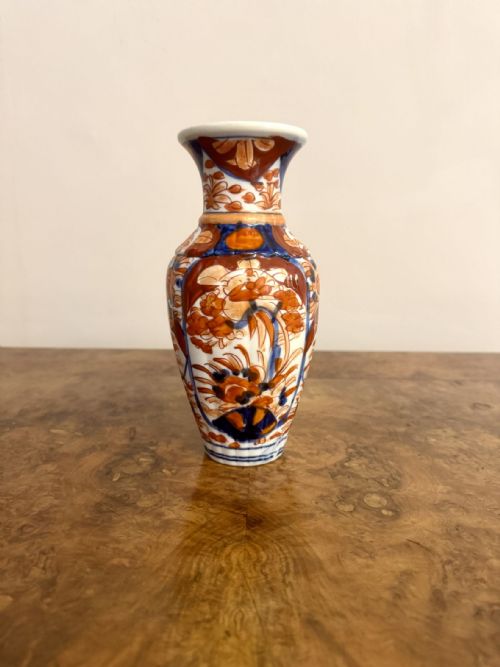
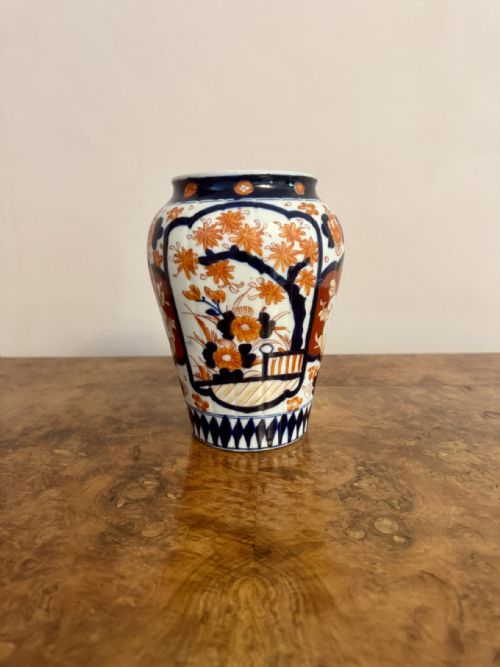
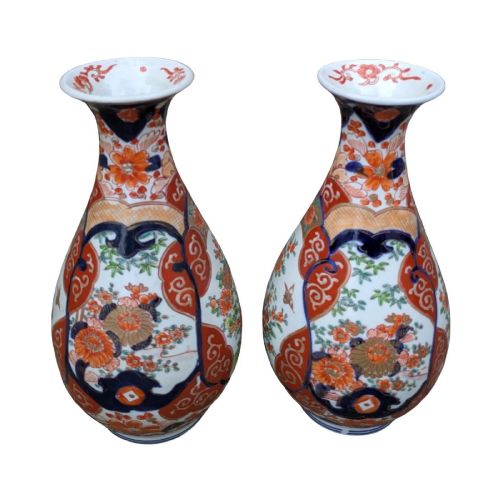
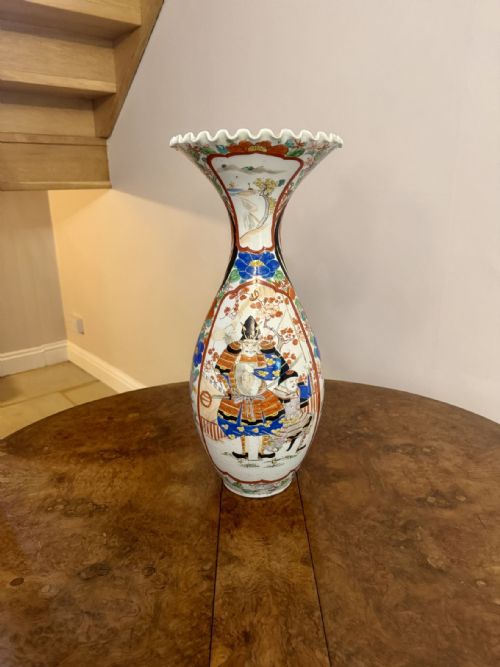
These pieces are a Japanese arita vase, spanning centuries of kiln tradition and bringing hand-painted ceramic artistry straight into your home.

Japanese Arita Vase
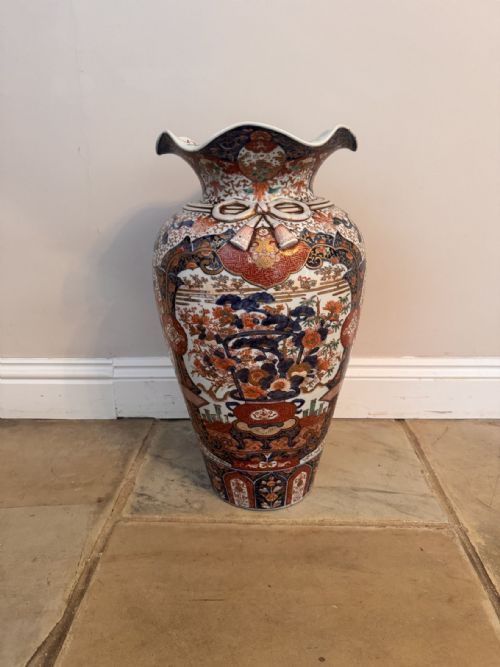
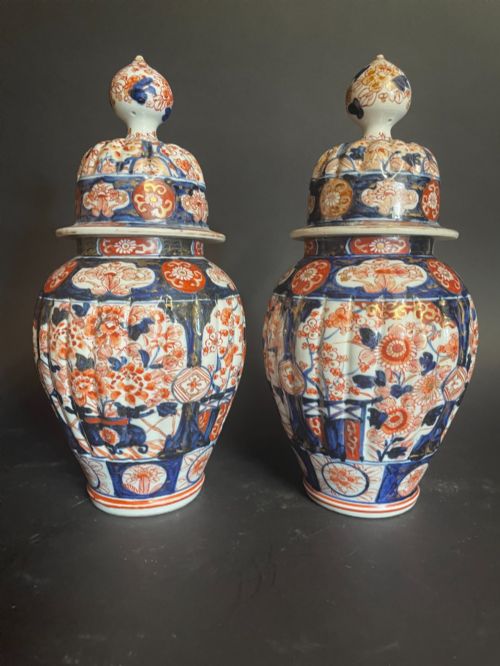
A Japanese arita vase represents a long lineage of ceramic production originating from the town of Arita, taking forms such as bottle shapes, lidded jars, and tall floor-standing vessels. Buyers most frequently encounter pieces created during the Edo and Meiji periods, alongside later nineteenth-century interpretations.
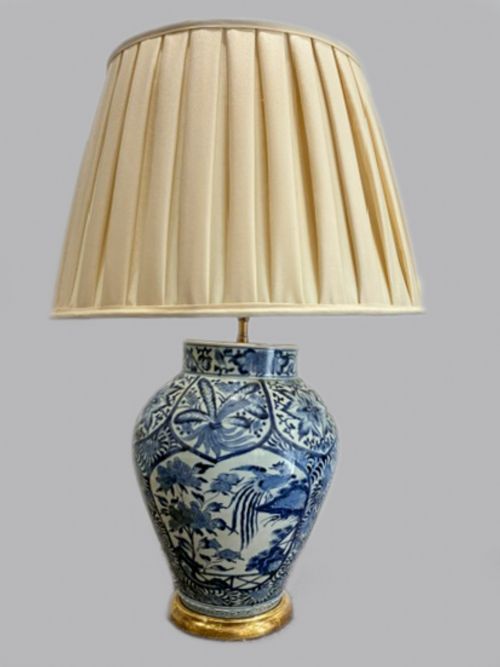
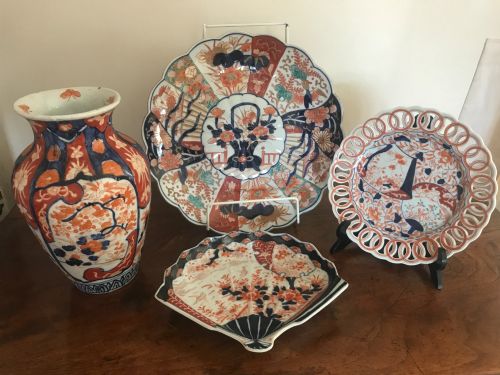
The selections span blue and white wares as well as the distinctive Imari palette, often decorated with motifs like birds, chrysanthemums, and carp. Many examples arrive as pairs, garnitures, or ginger jars, while others have been adapted into table lamps over time.
How they were made
Potters shaped porcelain clay on the wheel or pressed it into moulds, finishing the bodies with smooth glaze before firing them at high temperatures in kilns. Artisans then applied underglaze blue and overglaze enamel colours, sometimes incorporating gold leaf or gilt details.
The decorative schemes relied on precise brushwork executed by hand, capturing flora, fauna, and traditional patterns. Later handling often included brass fittings when pieces were converted for electrical use.
Listings span from the 17th century through to the early 20th century, encompassing porcelain, enamel, glaze, and gilt materials in forms ranging from bottle vases to lidded jars.
What varies in quality
The refinement of the painted decoration dictates much of the standing, separating hasty brushwork from intricate, finely detailed compositions of birds, flowers, and carp. Proportion and balance in the ceramic form also play a decisive role, particularly in large lidded jars and floor-standing vessels.
Early examples from the seventeenth and eighteenth centuries command attention for their historical depth and the subtle variations inherent in early kiln technology. Later nineteenth-century pieces demonstrate greater scale and manufacturing consistency, yet the crispness of the glaze and enamel remains paramount.
Koransha·Fukagawa
The Japanese Arita Vase Glossary
- Arita
- The Japanese town and surrounding region renowned for centuries of porcelain production. It serves as the historic heartland for Japanese ceramic exports.
- Imari palette
- A decorative style employing underglaze blue, iron red, and gilt highlights on white porcelain. It became hugely popular across Europe during the Edo period.
- Garniture
- A set of matching vases or jars designed to be displayed together on a mantelpiece or sideboard. They typically consist of three or five pieces in graduating sizes.
- Ginger jar
- A ceramic vessel with a wide body and domed cover, originally made for storing spices. Collectors prize them for their balanced proportions and decorative surfaces.
- Meiji period
- The era of Japanese history lasting from 1868 to 1912, marked by industrialisation and a surge in decorative arts exported worldwide.
Japanese Arita Vase: Frequently Asked Questions
How do I date a Japanese arita vase?
Dating relies on stylistic clues, glaze characteristics, and historical context rather than strict documentation. Seventeenth and eighteenth-century examples often display simpler forms and looser underglaze blue painting, while Meiji period pieces frequently showcase denser enamel work and brighter palettes.
Examining the foot ring and the base provides further clues regarding production methods and kiln origins. Comparing the weight, potting thickness, and decorative motifs against known dated pieces helps narrow down the era.
What is the difference between Arita and Imari?
Arita refers to the geographic production centre in Japan where the porcelain clay was mined, shaped, and fired. Imari simply denotes the port town from which these ceramics were shipped to Europe, though the term also describes the specific red, blue, and gold colour palette.
Therefore, an object can be both an Arita ceramic and an Imari decorated piece simultaneously. Understanding this distinction clarifies how these historic export wares are classified.
How were these vases used originally?
In traditional Japanese interiors and European stately homes alike, large vessels served as prominent decorative focal points. Lidded jars and garnitures adorned mantelpieces, cabinets, and entrance halls to display wealth and taste.
Over subsequent centuries, many tall or bottle-shaped examples were adapted into table lamps with brass fittings and silk shades. This secondary use allowed fragile antiques to remain functional within modern living spaces.
Can I use a converted lamp safely?
Many historical vessels feature drilled bases or mounted hardware to accommodate electrical wiring. Checking the age and stability of the fitting ensures safe integration into a modern household.
Consulting a qualified electrician allows you to update old wiring while preserving the ceramic body. This approach protects the antique while letting you enjoy ambient lighting in any room.