


Edo Period Arita Vase
An edo period arita vase brings classic Japanese ceramic artistry into a room, offering striking hand-painted palettes and sculptural forms that suit both traditional and modern interiors.

Edo Period Arita Vase
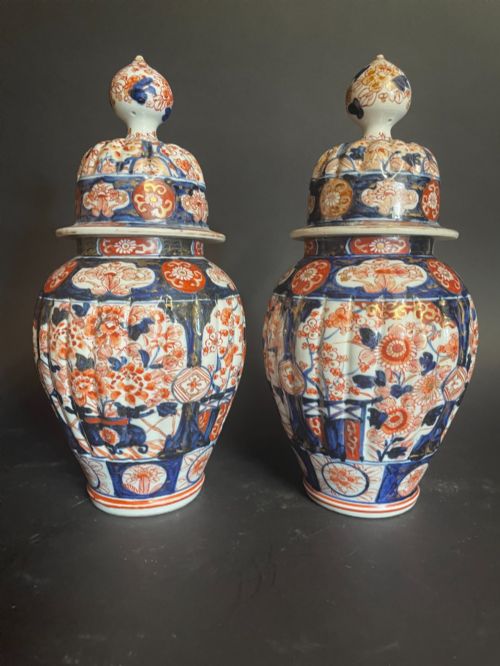
When you search for an edo period arita vase, you encounter a refined class of Japanese ceramics produced in the Hizen province under the Tokugawa shogunate. These vessels reflect centuries of kiln mastery, evolving from early blue and white designs to the exuberant polychrome styles that captivated European courts.
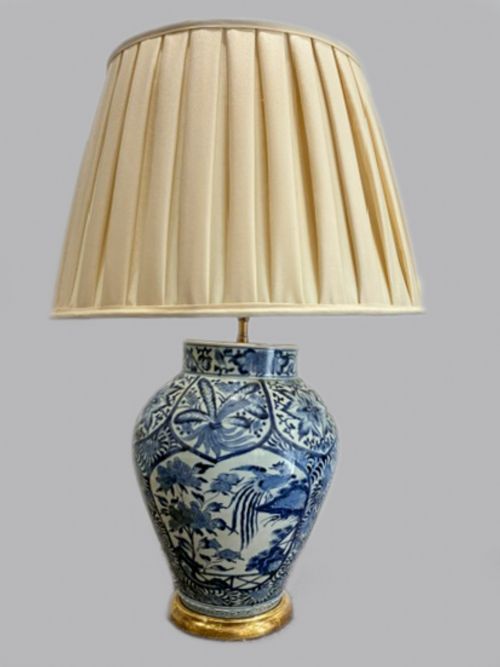
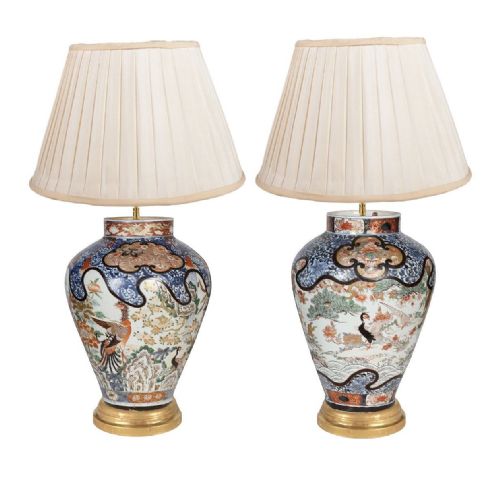
The selections available here span diverse functional forms, including large lidded jars, trumpet-shaped beaker vases, wine bottles, and garnitures designed for stately display. Many survive as pairs or matched trios, while others have been thoughtfully converted to table lamps over the course of their long histories.
Most examples hail from the seventeenth and eighteenth centuries, though nineteenth-century interpretations also appear alongside pieces featuring Kakiemon and Imari decoration. This variety ensures that collectors can find both restrained cobalt-blue vessels and vibrant iron-red and gold-highlighted creations.
Materials and methods of production
Potters relied on fine white porcelain clay sourced locally in the Arita region, shaped by hand or on the wheel to achieve symmetrical vessels ranging from hexagonal profiles to slender bottles. Once formed, the pieces received underglaze cobalt blue painting before their initial firing.
Overglaze enamel decoration in iron red, green, and other pigments was frequently added in a subsequent firing, occasionally augmented with gold leaf for added brilliance. Transparent glazes sealed the surface, providing the characteristic glossy finish that protected the pigments across generations.
Distinctions in craftsmanship and condition
Quality rests in the precision of the hand-painted brushwork, where confident, fluid lines distinguish master works from simpler production pieces. The clarity of the porcelain body and the richness of the Imari palette further separate exceptional vessels from standard wares.
Proportion and symmetry define the more desirable examples, especially in large lidded jars and garnitures where balanced matching sets demand immense skill from the potter and kiln master. Surviving lids and original fittings significantly elevate the integrity of a piece.
The Edo Period Arita Vase Glossary
- Arita
- A Japanese town and production centre renowned for creating the country's earliest porcelain wares. Kilns in this district supplied both domestic markets and international traders.
- Imari
- A style of Japanese porcelain decorated in underglaze blue, iron red, and gold, named after the port from which these goods were shipped to Europe. The palette is rich and densely patterned.
- Kakiemon
- A refined style of Japanese enamel decoration characterised by asymmetrical, delicate pictorial designs on a milky white porcelain ground. It focuses on restraint and elegant negative space.
- Garniture
- A set of matching vases and lidded jars designed to be displayed together on a mantelpiece or cabinet. These groupings typically comprise three or five pieces.
- Beaker vase
- A straight-sided vessel with a flared rim, often trumpet-shaped, modeled after ancient bronze ritual vessels. These forms highlight vertical painted motifs.
Edo Period Arita Vase: Frequently Asked Questions
How do I date an Arita vase?
Dating relies on stylistic shifts, such as the transition from early seventeenth-century blue and white designs to the complex Imari and Kakiemon palettes of the late seventeenth and eighteenth centuries. Form, potting weight, and pigment characteristics also provide strong chronological indicators.
Expert examination of the unglazed footrim reveals clues about clay preparation and kiln stacking methods typical of specific decades during the Edo era.
Were these vases made for export?
Many Arita ceramics were produced specifically for export to European markets via the Dutch East India Company, influencing Western interior decoration profoundly. Large lidded jars and garnitures were frequently ordered to adorn stately homes and palaces.
At the same time, domestic production continued alongside export wares, tailoring forms and motifs to Japanese aesthetic preferences.
Can I use an antique vase as a lamp?
Numerous antique Arita vessels have been converted into table lamps over the centuries, a practice that repurposed damaged or surplus jars into functional lighting. These conversions often integrate brass mounts and silk flex while preserving the antique porcelain body.
Buyers should inspect the mounting method to ensure the porcelain remains unaltered and undamaged by the wiring process.
How should I clean my porcelain vase?
Dusting gently with a soft, dry microfibre cloth is generally sufficient for regular maintenance, avoiding abrasive materials that might scratch the glaze. Water and harsh chemical cleaners should be kept away from overglaze enamels and gold leaf to prevent fading.
Handle lidded pieces with both hands, lifting the lid separately rather than grasping it by the finial.