
Oriental Blue Vase
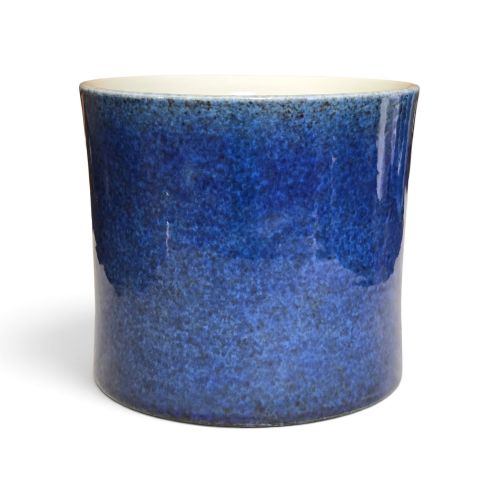
An oriental blue vase brings centuries of ceramic artistry into a room, offering rich cobalt tones and complex glazing.
Oriental Blue Vase
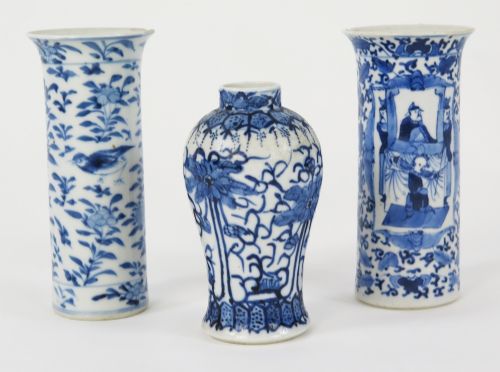
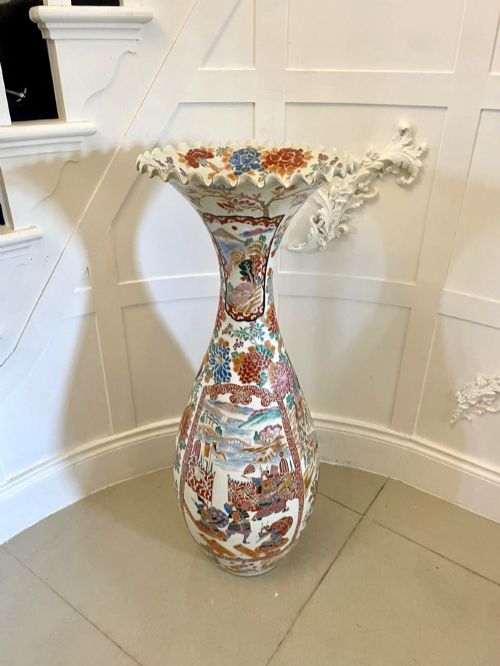
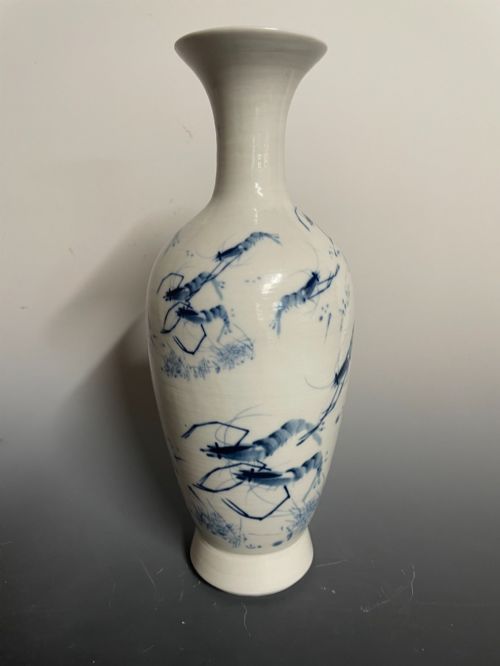
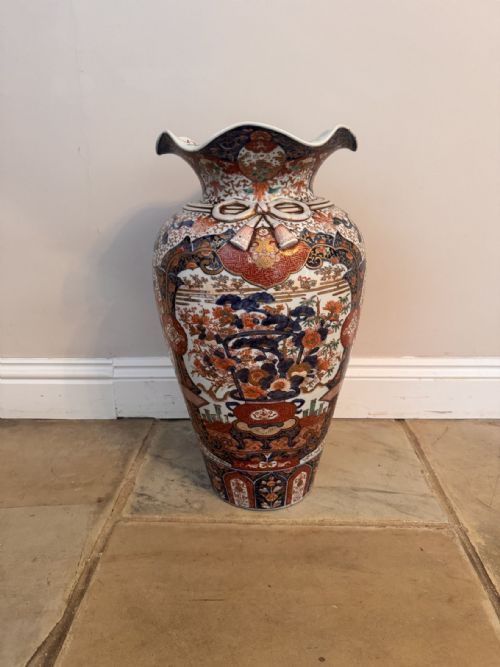
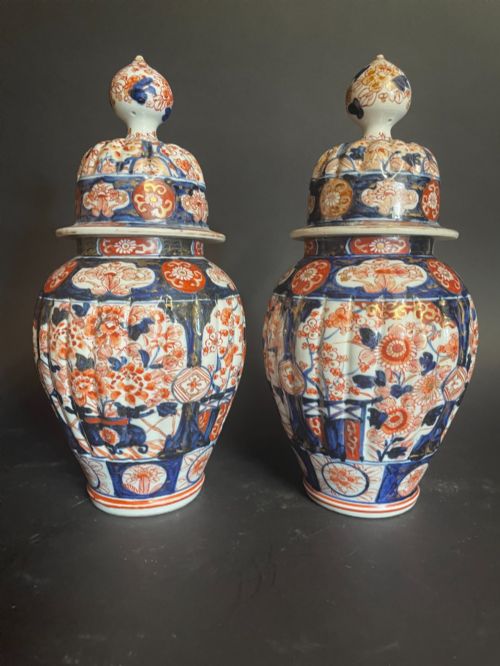
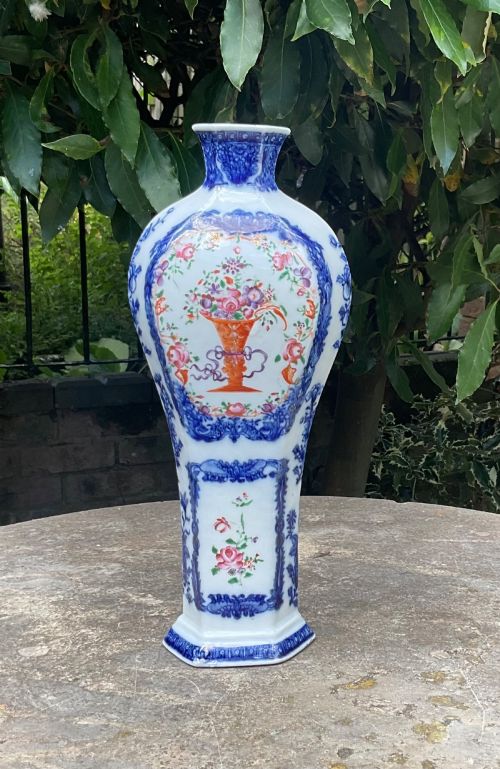
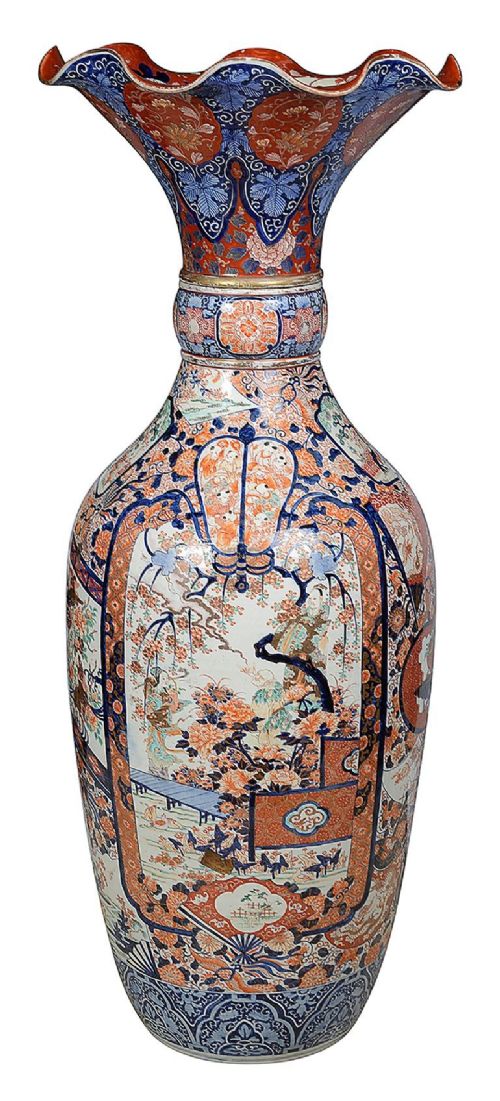
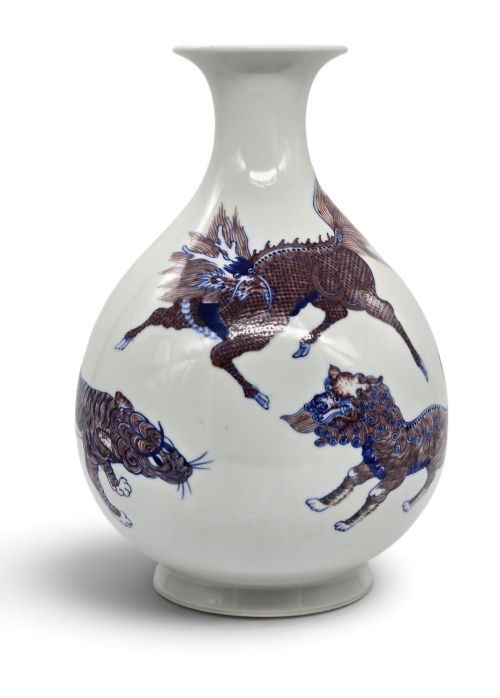
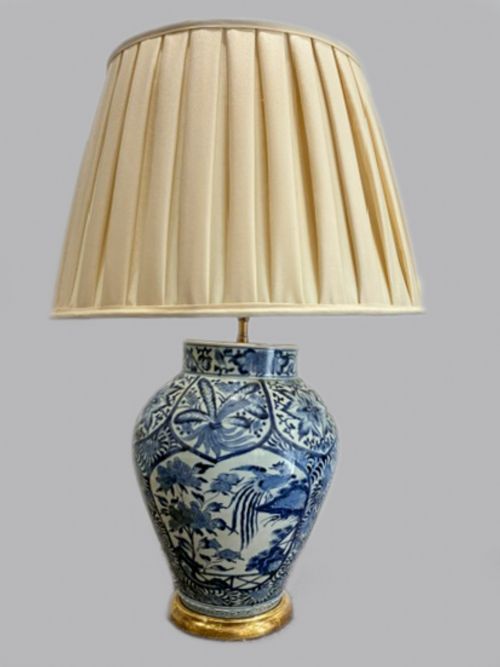
When searching for an oriental blue vase, collectors encounter vessels spanning from the seventeenth century through to the twentieth century, originating from Chinese and Japanese kilns. The selection includes grand floor-standing pieces, baluster forms, and jars, alongside items later converted into table lamps.
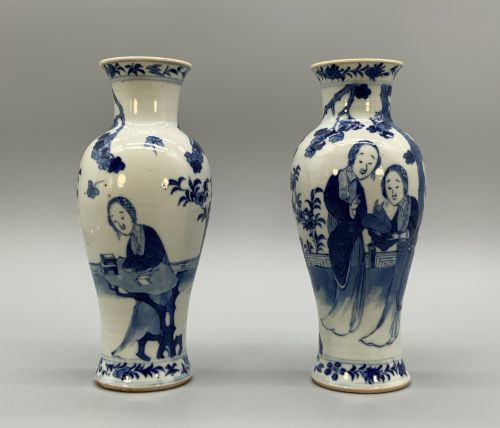
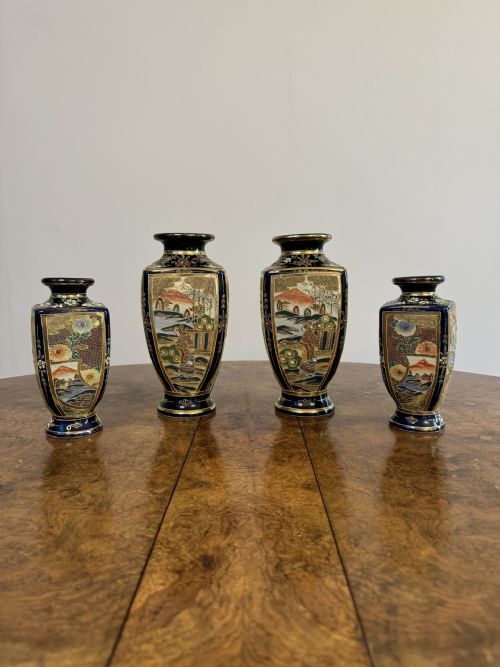
Japanese Imari works and Chinese blue and white porcelain dominate the offerings, appearing singly or in matched pairs. These ceramic forms range from modest miniature vessels to imposing garnitures and large decorative floor vases.
The objects reflect diverse cultural traditions, incorporating styles such as Qing Dynasty designs, Meiji period aesthetics, and Chinoiserie interpretations. Many pieces display traditional hand-painted motifs executed in deep cobalt pigments upon white clay bodies.
How they were made
Potters shaped these vessels from fine porcelain or earthenware before applying mineral pigments beneath a clear glaze. Cobalt oxide provided the enduring blue tones during high-temperature kiln firings.
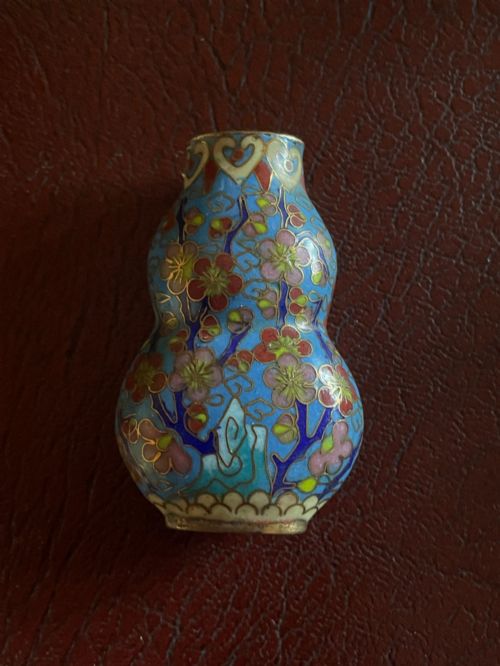
Selected examples incorporate additional ornamentation, such as enamel work, gold leaf highlights, or applied bronze and ormolu mounts. Cloisonné pieces utilise delicate metal wires to partition vitreous enamel pastes across metallic bases.
One extraordinary miniature specimen depicts an illicit spring palace scene inside a tiny snuff bottle.
What varies in quality
The strength and clarity of the underglaze cobalt painting dictate much of the visual appeal, separating precise hand-drawn designs from simpler applications. Finer examples display meticulous brushwork with subtle tonal gradations and well-balanced compositions across the ceramic surface.
The condition of the glaze and the preservation of any supplementary gilding or enamel decoration influence the standing of a piece. Original components, undamaged mouths, and stable conversions into lamps maintain the integrity of the antique form.
Hicks and Meigh
The Oriental Blue Vase Glossary
- Imari
- A style of Japanese porcelain featuring a distinct palette of underglaze blue, iron red, and gilt detailing. These wares were heavily exported to Europe from the port of Imari starting in the seventeenth century.
- Cloisonné
- A metalwork technique where thin flat wires are soldered to a base to create compartments filled with coloured enamel paste. The object is then fired and polished to a smooth finish.
- Garniture
- A set of matched ceramic vases or jars designed to be displayed together on a mantelpiece or cabinet. Such groupings often comprise three, four, or five pieces of graduated heights.
- Baluster
- A vase form characterised by a bulbous lower body that tapers inward toward the neck and flares slightly at the rim. This traditional silhouette provides structural stability and ample surface area for decoration.
- Underglaze
- A method of decorating ceramics where pigments are applied directly to the unfired or biscuit-fired clay body before a transparent glaze is applied. This technique seals the design permanently beneath the glassy surface layer during firing.
Oriental Blue Vase: Frequently Asked Questions
What is an oriental blue vase?
An oriental blue vase is a ceramic vessel originating from East Asian traditions, primarily finished with cobalt blue pigment under a clear glaze.
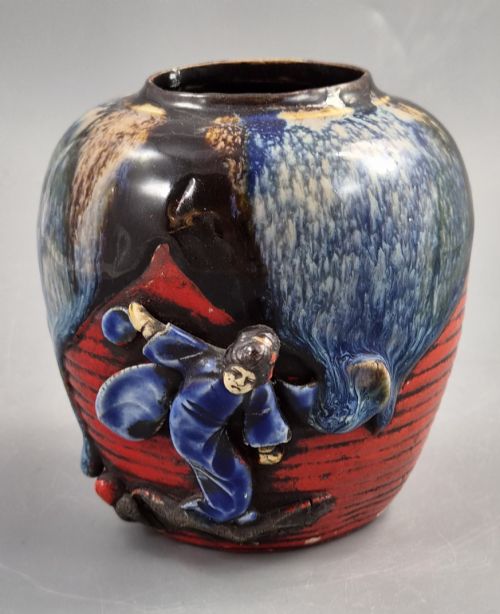
These pieces encompass centuries of manufacturing, ranging from early Chinese export wares to later Japanese Imari and Satsuma productions.
How were these vases used?
Historically, these vessels served as decorative centrepieces in grand interiors, often displayed on tables, mantelpieces, or directly on the floor.
Many surviving examples from later periods were subsequently adapted to function as household table lamps while retaining their original ceramic bodies.
How do I live with one?
Placing a vase in a secure location away from heavy traffic prevents accidental knocks, especially for tall floor-standing pieces or converted lamps.
Keeping them out of direct sunlight helps protect any delicate enamel or gilt surface details from fading over time.
How do I tell periods apart?
Distinguishing between periods involves examining the clay body, the depth and hue of the cobalt pigment, and the specific painting style characteristic of dynasties like the Qing or eras like the Meiji.
Form, potting weight, and secondary decorative techniques such as cloisonné work or bronze mounts also offer key chronological indicators.