
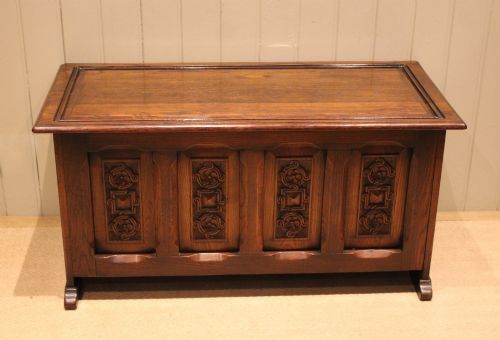
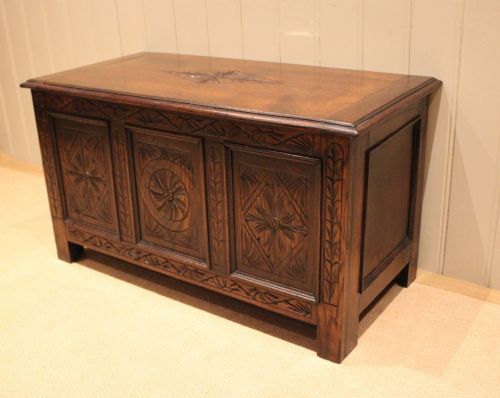
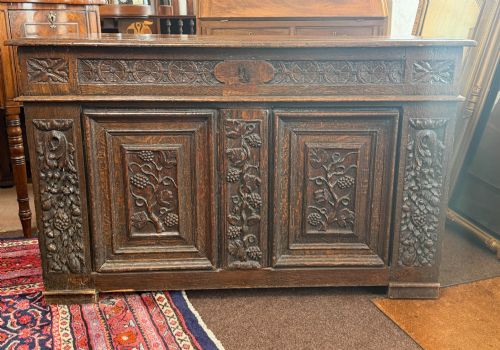
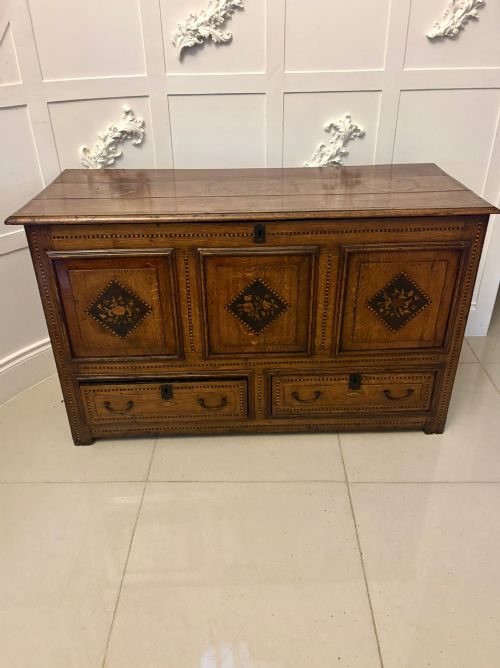

Jacobean Carved Oak Panel
These jacobean carved oak panel items bring rich seventeenth-century texture to a room, offering genuine architectural history for your walls.
What these panels are
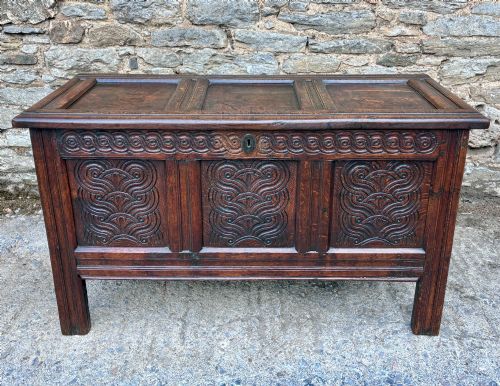
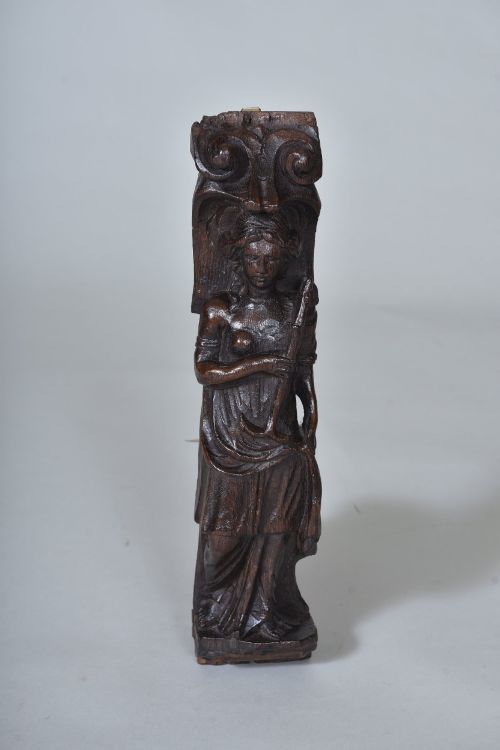
When you search for a jacobean carved oak panel, you encounter heavy architectural salvage and wall reliefs originating from the sixteenth and seventeenth centuries. These timber sections once formed parts of larger interiors, staircases or furniture before being separated over the centuries.
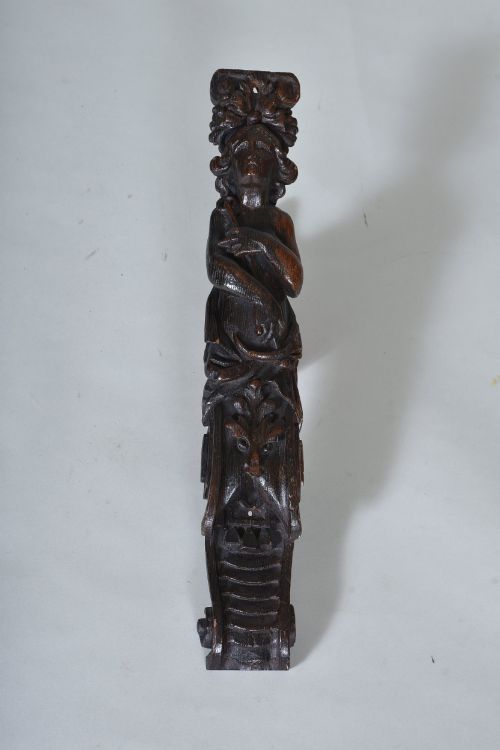
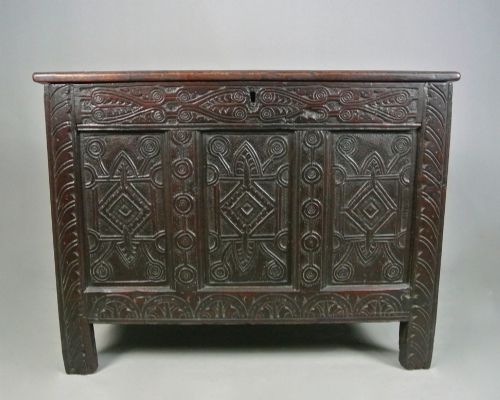
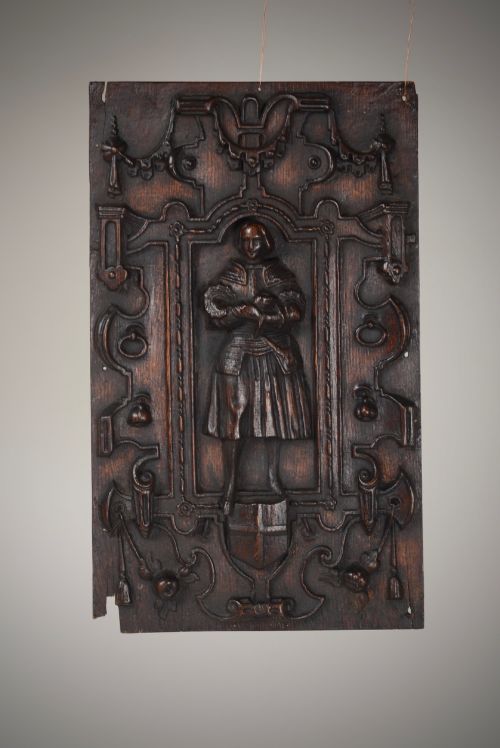
The selections available here showcase distinct stylistic periods including Tudor, Jacobean, Baroque and seventeenth-century traditions. You will find figurative works, geometric motifs and traditional textile-imitating designs among the offerings.
Most pieces function primarily as wall art, ready to hang and display the deep relief carving characteristic of the era. Their origins lie in domestic and public carpentry from a time when solid timber was heavily worked by hand.
How they were made
Every piece in this category is made from solid oak, chosen for its durability and suitability for intricate hand-tool work. Craftsmen utilised gouges, chisels and mallets to cut directly into the dense grain, creating pronounced relief and shadow.
The construction relies on traditional joinery methods appropriate for architectural elements and wall panels of the sixteenth and seventeenth centuries. Surfaces exhibit the natural tool marks and ageing processes inherent in early woodwork.
Retail Price Guide 2026
Typical UK retail prices for jacobean carved oak panel, calculated from the Sellingantiques database of over a million retail prices indexed since 2003. This retail price guide relies exclusively on Sellingantiques data; no external sources or auction records are used, so the figures do not describe the wider market.
Joan of Arc occasionally turns up carved in oak, reminding us that Tudor woodworkers kept up with international heroines.
What varies in quality
Quality rests entirely in the depth, crispness and ambition of the carving itself. Bold figurative work and complex heraldic details demand a higher level of sculptural skill than repetitive geometric patterns.
The architectural context also dictates distinction, as pieces salvaged from significant staircases or incorporating named subjects carry greater visual presence. Preservation of the original surface patination without excessive modern intervention preserves the historical integrity.
Edward Pearce
The Jacobean Carved Oak Panel Glossary
- Jacobean
- The period spanning the reign of King James I, known in furniture and architecture for robust proportions and geometric strapwork. Pieces from this era often feature deep relief and symmetrical layouts.
- Linenfold
- A style of wood carving that imitates folded linen cloth, popular on sixteenth and seventeenth-century panels. This technique creates a vertical texture that catches the light across the wooden surface.
- Architectural salvage
- Building elements removed from older structures for reuse or display as wall art. These components preserve historical fabric that would otherwise be lost.
- Armorial
- Relating to heraldry and family crests, often carved into wood or stone to denote lineage. Such details elevate the status of the woodwork.
- Baroque
- An ornate style emphasising movement and dramatic contrast, appearing in seventeenth-century carving. It introduces richer curves and more theatrical subjects than earlier Tudor work.
Frequently Asked Questions
How do I hang a heavy wooden panel?
These solid oak pieces require secure fixings screwed directly into masonry or wall studs to bear the substantial weight safely. Using a sturdy wooden batten or heavy-duty mirror brackets ensures the relief stays firmly in place.
Because seventeenth-century timber responds to humidity changes, avoid positioning the panel above active heat sources or in damp environments. Allowing a small air gap behind the wood helps prevent warping over time.
What is a linenfold panel?
Linenfold is a specific carving style designed to make rigid wood resemble vertical folds of cloth. Craftsmen achieved this effect using specialised gouges to create realistic textile drapes across the surface.
This motif was widely used on sixteenth and seventeenth-century joinery to break up large expanses of plain timber. It remains one of the most recognisable surface treatments from the period.
Can these panels be used outside?
These items are designed for interior display as architectural salvage and wall art rather than exterior use. Exposure to rain and frost would rapidly degrade the historic oak and any remaining surface finish.
Keeping them indoors protects the delicate seventeenth-century carving from moisture damage and extreme temperature shifts. Stable room conditions preserve the wood grain and structural integrity.
How do I clean historic oak?
Dust the carved surfaces gently with a dry, soft-bristled brush to remove settled particles without disturbing the wood. Avoid using modern chemical polishes, oils or water, which can damage the aged surface patination.
Allow the natural finish to show its age, as a dry cloth is sufficient for ongoing maintenance. Preserving the untouched texture maintains the historical character of the piece.