






Iron Red Porcelain Vase
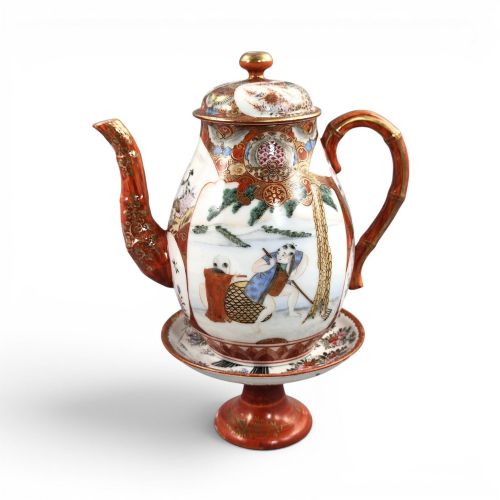
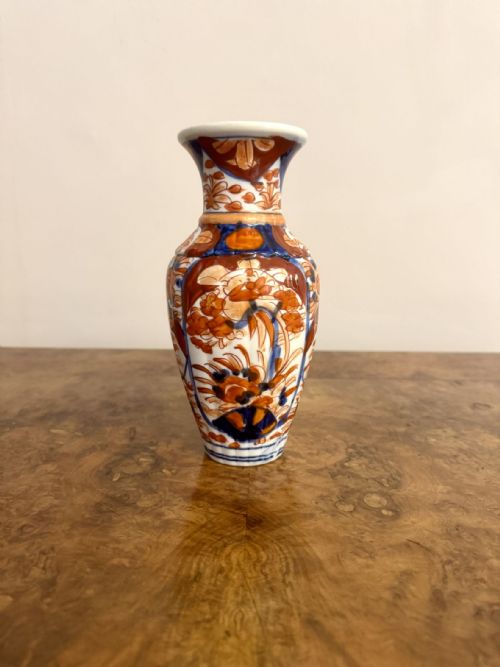
These iron red porcelain vase selections bring striking polychrome glazes and intricate hand-painted ceramics into your interior.
Iron Red Porcelain Vase
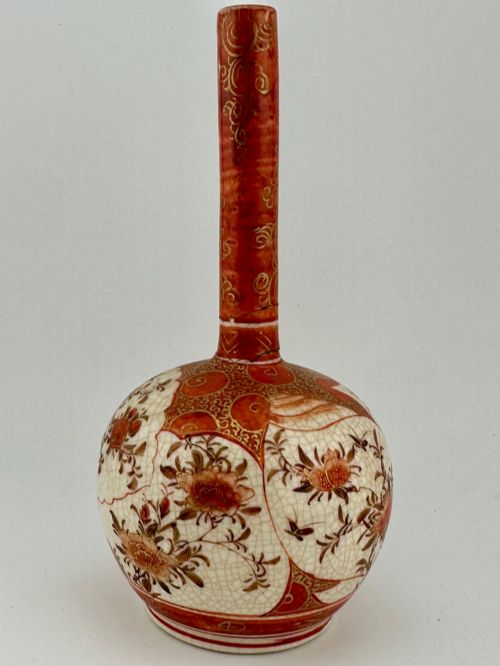
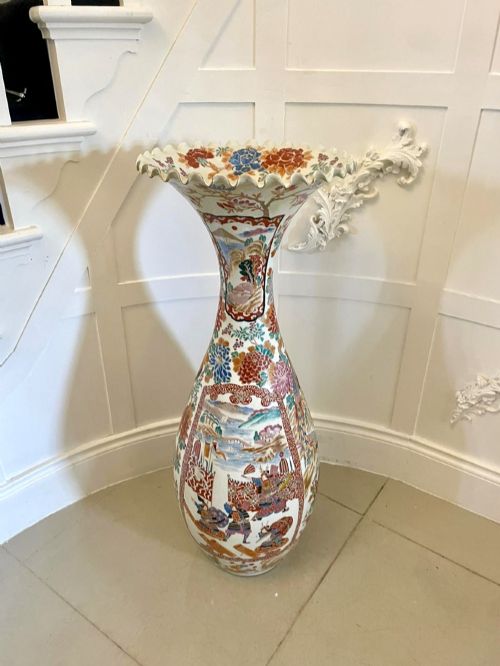
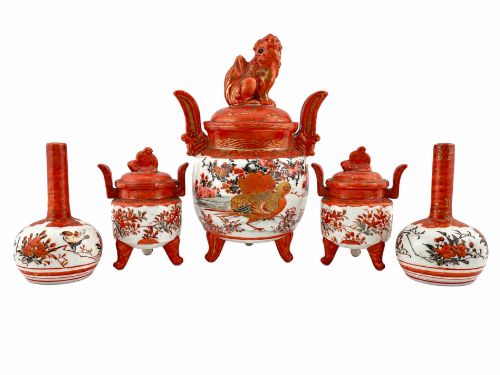
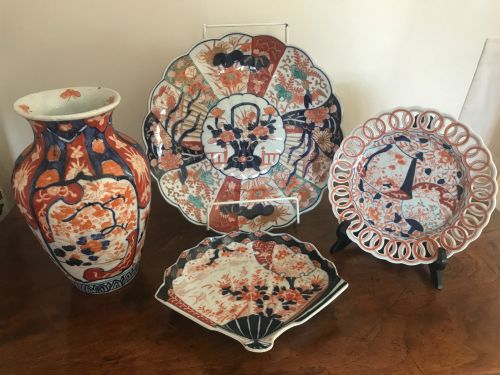
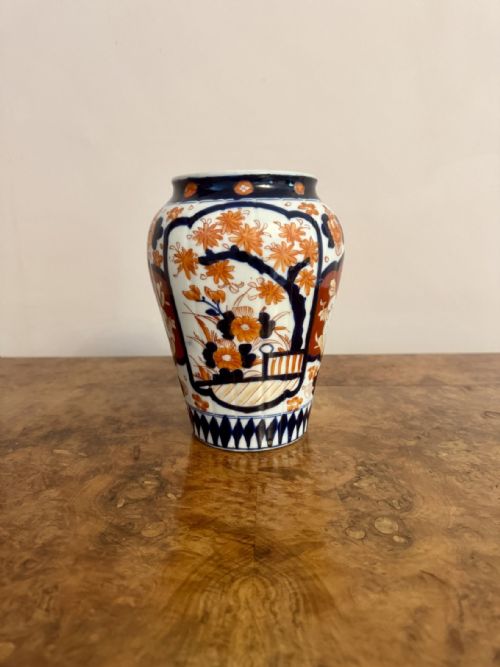
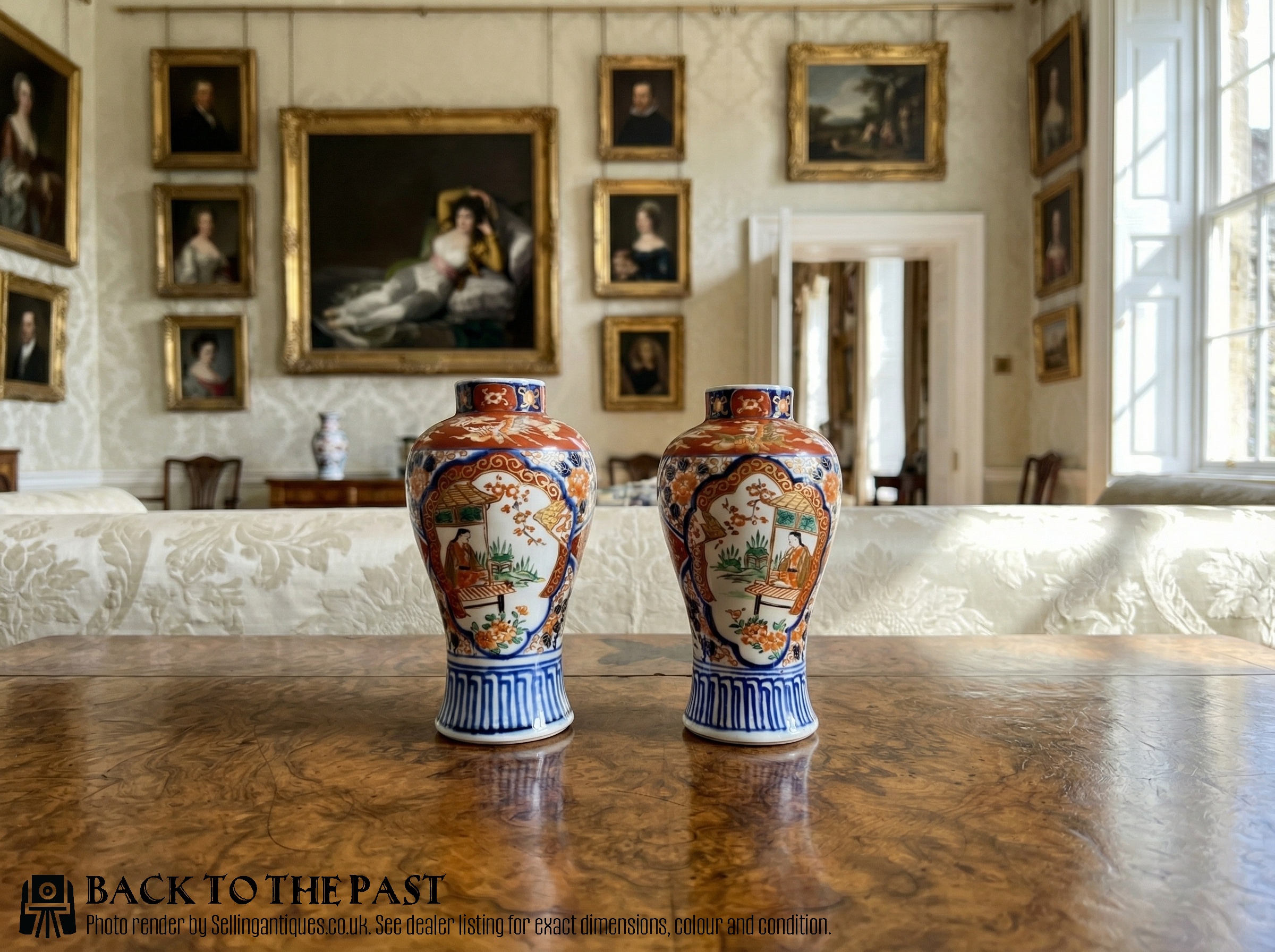
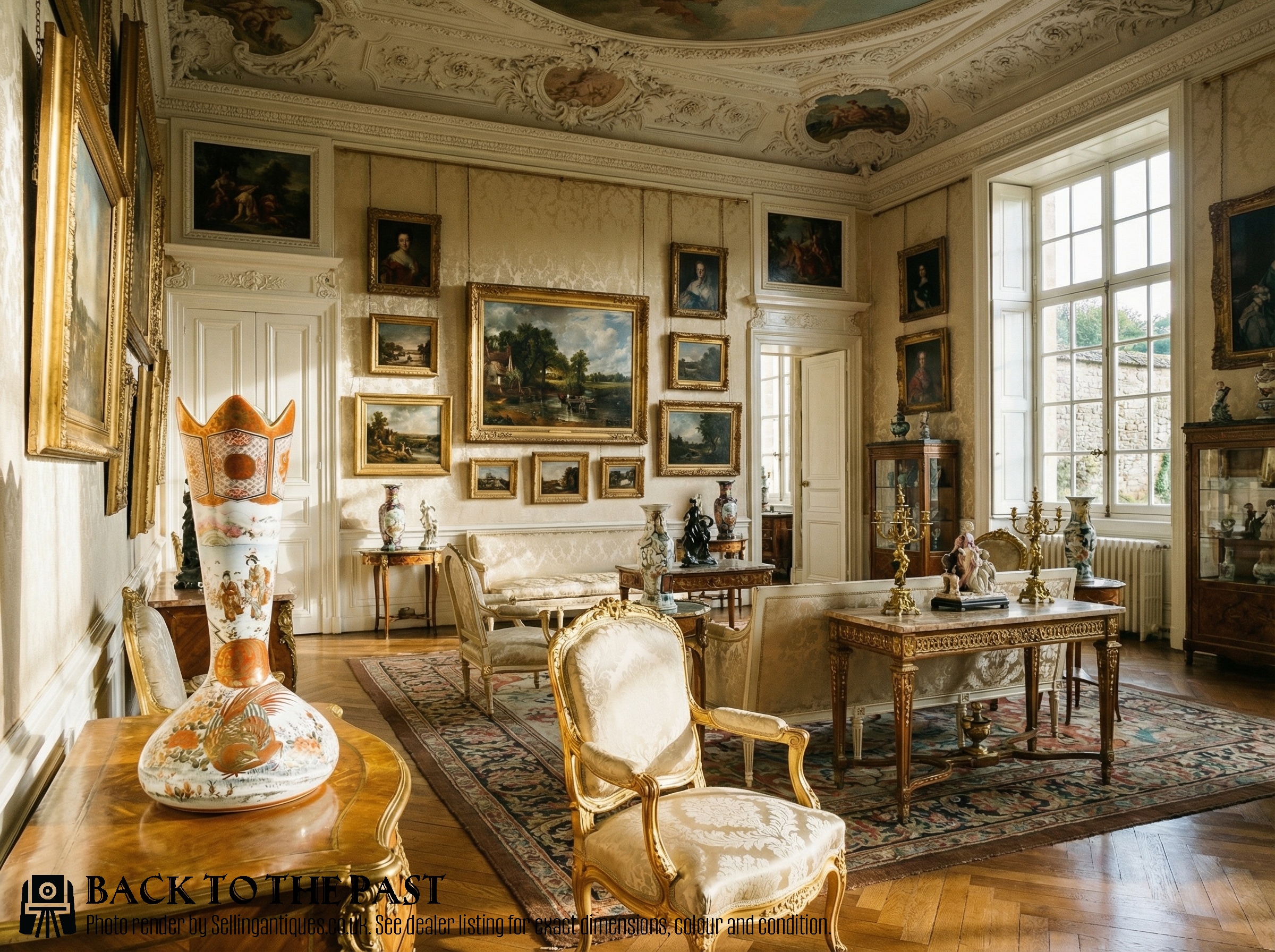
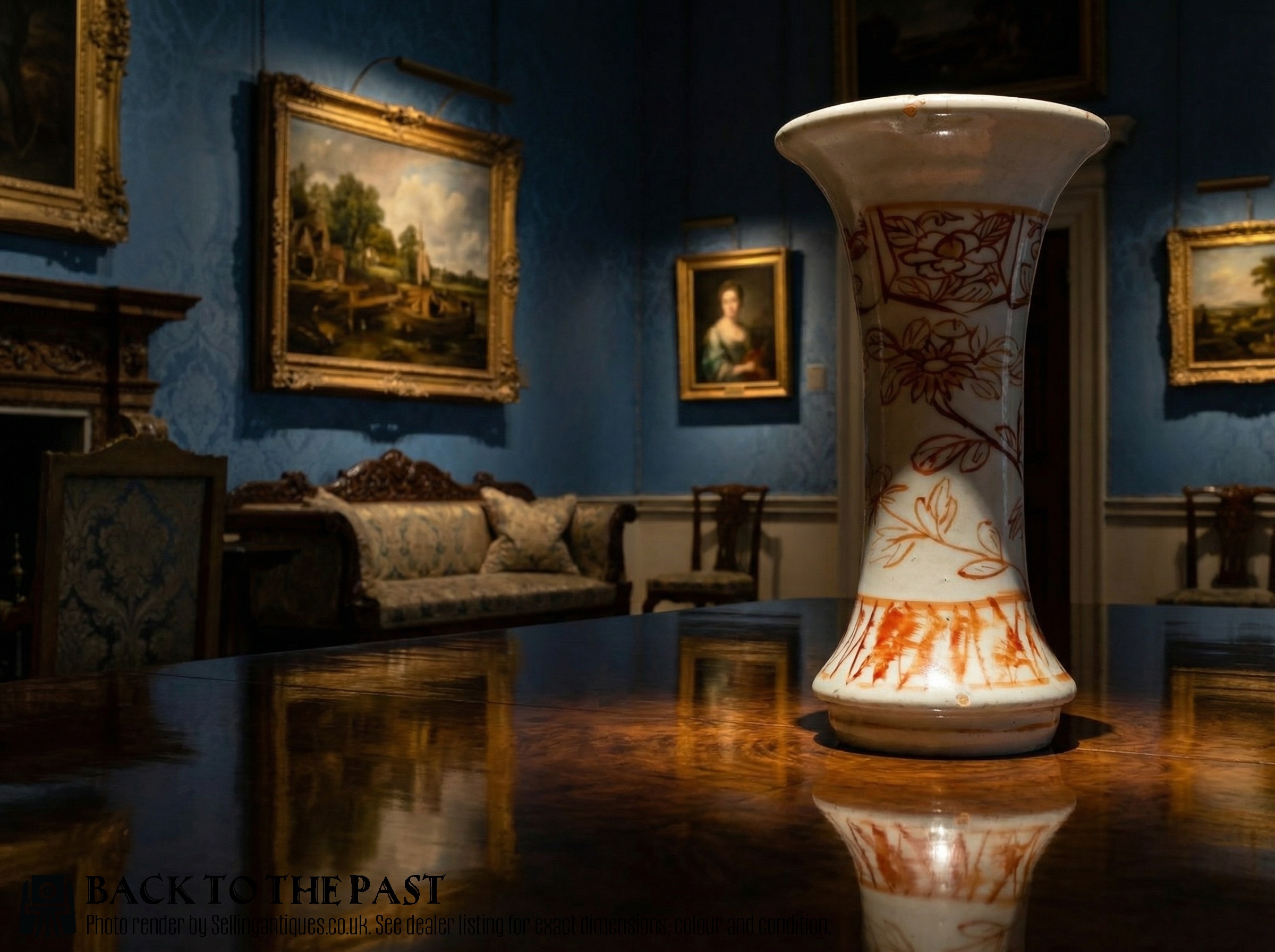
When you search for an iron red porcelain vase, you encounter ceramic vessels adorned with characteristic rust-red pigment alongside blue, green, and gold detailing. The pieces available here originate predominantly from nineteenth-century Japanese kilns, particularly in the Imari and Kutani traditions, alongside earlier Chinese dynastic wares.
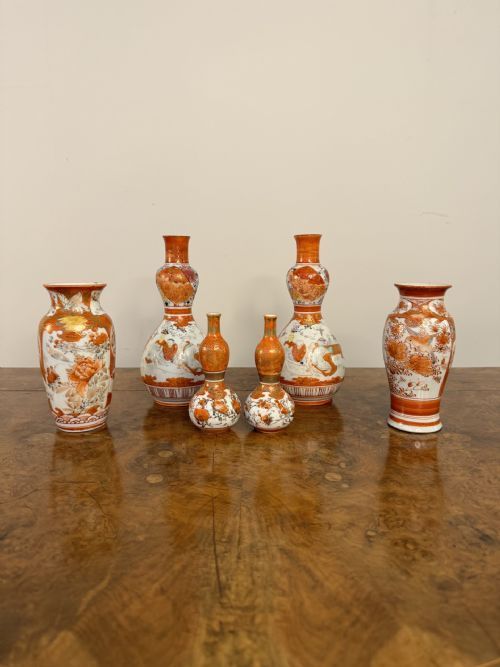
Forms range from compact bud holders and hexagonal vessels to large floor-standing floor vases, lidded jars, and occasional adaptations into table lamps. Japanese Imari and Kutani styles dominate the selection, bringing distinctive floral, animal, and geometric motifs painted upon white ceramic bodies.
Collectors also find rarer examples spanning earlier centuries, including Chinese transitional wares and pieces bearing imperial reign marks. These items serve as decorative centrepieces, bringing historical Asian ceramic artistry into domestic spaces.
How they were made
Makers shaped these vessels from refined ceramic paste before applying underglaze blue and iron-red enamel pigments by hand. Artisans frequently integrated gilding, gold leaf, and brass mounts to accentuate specific decorative panels and rim borders.
Kiln workers fired the porcelain at high temperatures to vitrify the body, often utilising secondary low-temperature firings to fix overglaze enamels such as iron red and green. This multi-stage technique created the durable, glossy glazed surfaces seen across the nineteenth-century pieces and earlier examples.
Iron Red Porcelain Vase Retail Price Guide 2026
Typical asking prices for iron red porcelain vase among the pieces listed under this phrase on Sellingantiques today, from the lower quarter to the upper quarter. They describe what is for sale here now, not the wider market.
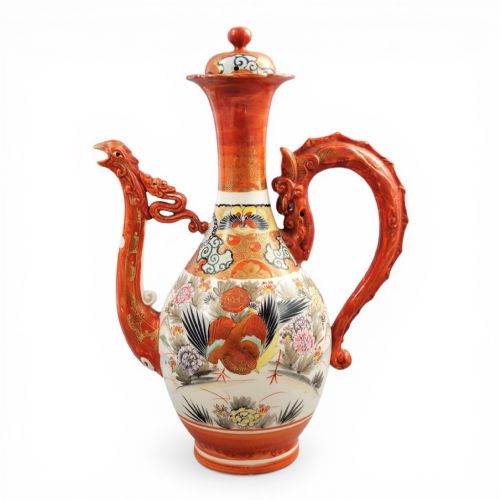
Several dragon ewers feature phoenix spouts, ensuring mythical creatures share your mantelpiece.
What varies in quality
Quality rests upon the crispness of the hand-painted brushwork and the precision with which the iron red pigment and gold leaf are applied to the porcelain body. Finer examples display meticulous detailing in complex floral or figurative scenes, whereas simpler pieces show broader, more repetitive brushstrokes.
The weight and finish of the ceramic glaze, the balance of the vessel form, and the preservation of overglaze enamels distinguish exceptional output from standard workshop production. Consistency in firing without warping or surface blemishes marks the work of superior kilns.
Stevenson and Hancock
The Iron Red Porcelain Vase Glossary
- Iron red
- A rust-coloured overglaze pigment derived from iron oxide, used extensively in Chinese and Japanese ceramics. It provides the dominant warm red tone in traditional Imari and Kutani palettes.
- Imari
- A style of Japanese porcelain originating from Arita, traditionally decorated in underglaze blue, iron red, and gilt. Pieces often feature intricate brocade patterns and floral arrangements.
- Kutani
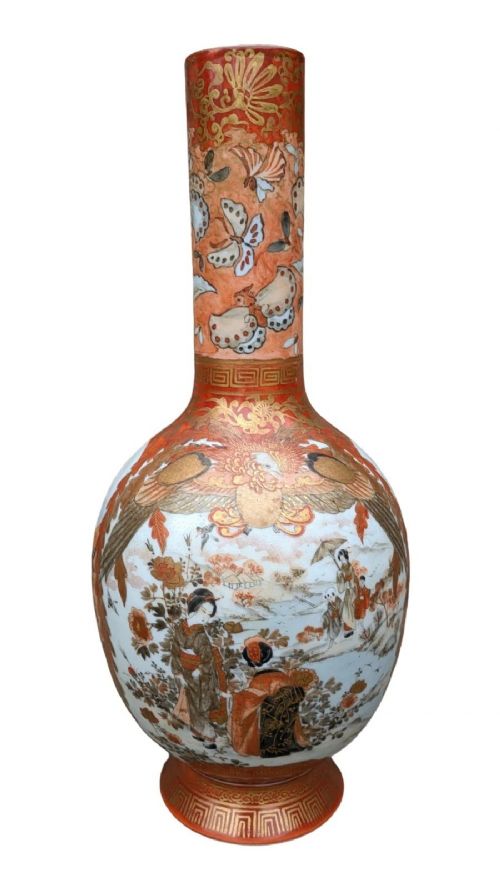
- Japanese coloured porcelain produced in Ishikawa prefecture, known for bold palettes incorporating iron red, green, and heavy gold leaf. Motifs frequently include figures, birds, and natural landscapes.
- Gilding
- The application of gold leaf or powdered gold paint to the surface of ceramic glazes. It highlights rims, handles, and specific decorative borders.
- Baluster
- A vase shape with a rounded body that tapers toward the base and swells outward near the centre, resembling a traditional architectural baluster.
Iron Red Porcelain Vase: Frequently Asked Questions
How do I date these vases?
Dating relies upon examining the ceramic body, glaze characteristics, and the style of the iron red painting. Nineteenth-century pieces often display specific Japanese export traits and Meiji period aesthetic conventions.
Earlier examples from the seventeenth and sixteenth centuries exhibit distinct potting techniques and iron red tones unique to dynastic production periods.
Where were these ceramics made?
The majority of the pieces originate from Japanese kilns in regions such as Arita and Kutani, created primarily for export during the nineteenth century. Other examples derive from Chinese kilns spanning various dynastic eras.
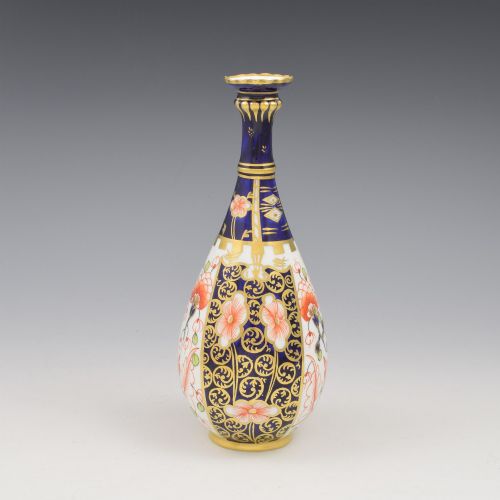
Occasional European interpretations, such as Victorian English porcelain, also emulate these traditional Asian colour palettes.
How should I clean my vase?
Dust the porcelain gently with a soft, dry cloth to prevent accumulation on the glazed and gilt surfaces. Avoid harsh chemical cleaners or abrasive scouring pads.
Keep water away from pieces with vulnerable overglaze enamel or gold leaf decoration, particularly around older repairs or unglazed bases.
What is the difference between Imari and Kutani?
Imari porcelain traditionally combines underglaze cobalt blue with iron red and gilt overglaze, featuring dense geometric and floral panel designs. The style originated in Arita and focused on balanced, structured compositions.
Kutani porcelain typically employs a more pictorial approach with heavy iron red and green enamels, often depicting figures, birds, and landscapes within vibrant borders.