






Iron Red Plate
An iron red plate brings bold crimson pigments and intricate metallic gilding straight into traditional decorative displays.
Iron Red Plate
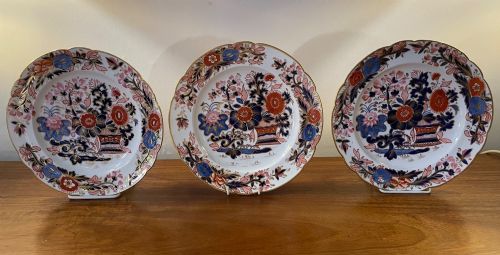
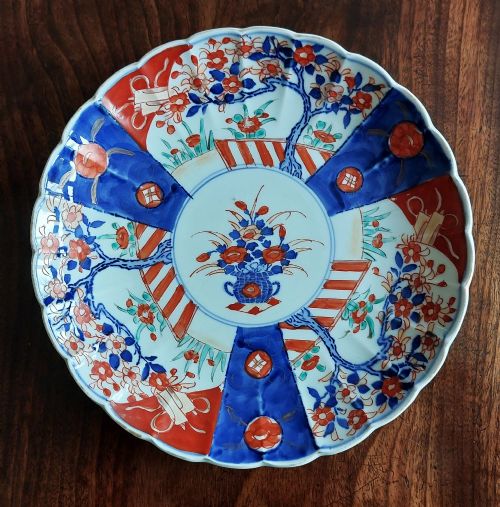
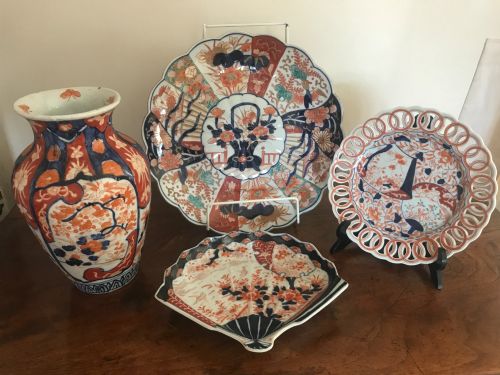
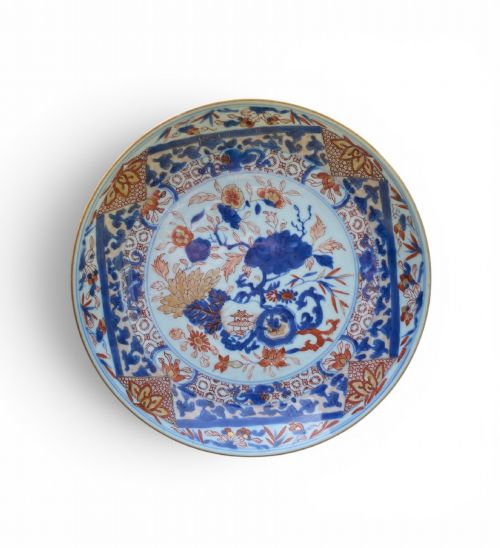
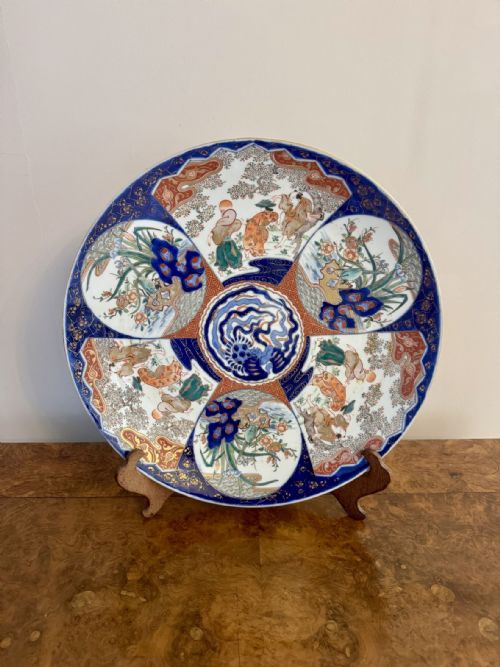
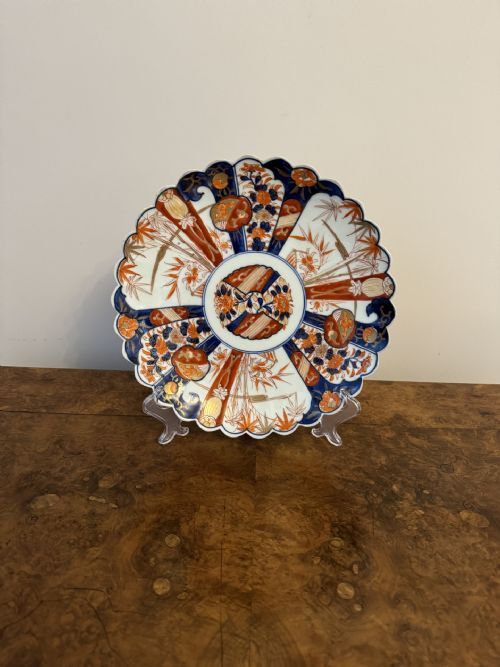
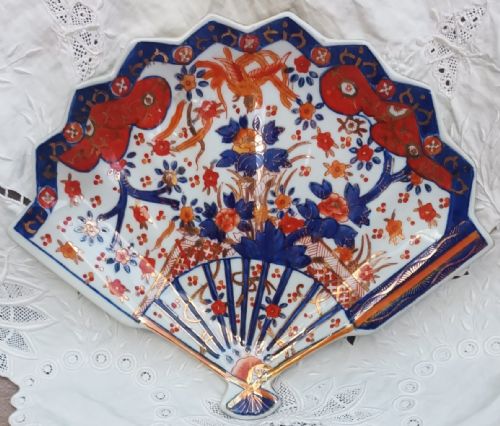
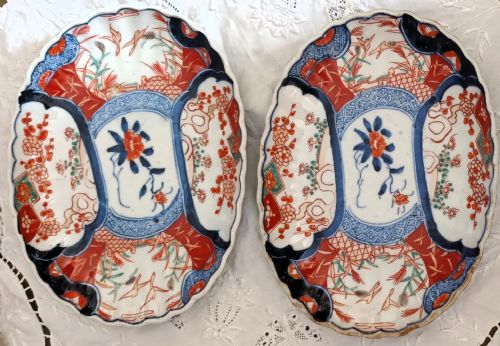
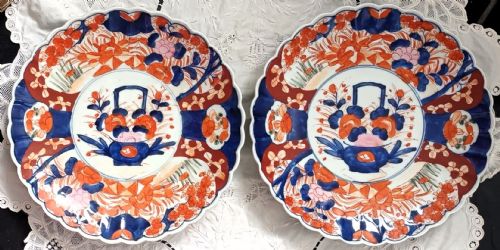
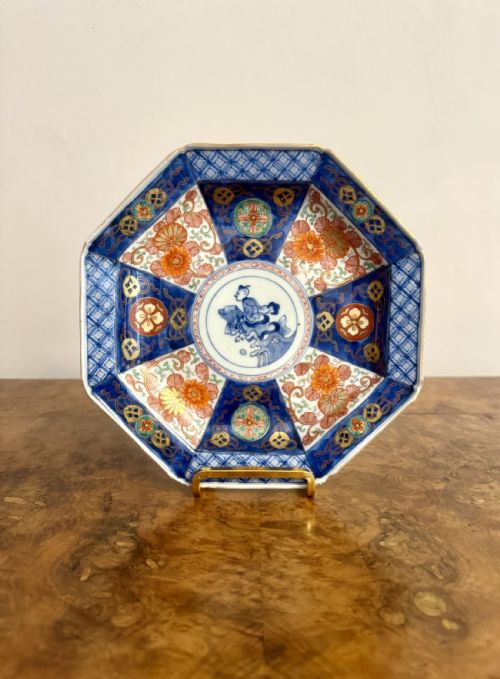
When a buyer searches for an iron red plate, they encounter a striking mix of Japanese Imari wares, Chinese export porcelain, and 19th-century English pieces decorated in red, cobalt underglaze, and gold leaf. The vast majority of examples on this page date from the Meiji period and the later 19th century, taking the form of large chargers, scalloped dishes, and hexagonal plates.
The aesthetic bridges several cultures and eras, showing distinct Japanese Imari styles alongside Chinese porcelain and Staffordshire iterations from the 1800s. These decorative ceramics range from simple ribbon plates to large chargers depicting floral bird designs, exotic birds, and figurative scenes.
Materials and Technique
Makers formed these pieces from hard-paste porcelain and ceramic bodies, applying mineral-based iron red enamel alongside cobalt underglaze pigments directly to the surface. Artisans frequently enhanced the polychrome designs with gold leaf and detailed gilding, creating rich contrasts across the painted motifs.
Firing techniques allowed the iron red and gilt details to sit crisp and vibrant atop the glaze, while hand-painted brushwork ensured that each plate or charger retained unique artistic execution.
The site listings feature porcelain and ceramic plates spanning from the 18th century through to the early 20th century.
Judging Quality
Quality rests heavily on the precision of the hand painting and the crispness of the iron red enamel against the white ceramic ground. Superior examples exhibit finely balanced compositions, clean outlines on floral or avian motifs, and well-preserved gilding that retains its original metallic lustre.
The physical form also dictates standing, with unusual shapes like hexagonal plates, scalloped edges, and large-scale chargers showing superior craftsmanship compared to standard circular variants.
The Iron Red Plate Glossary
- Imari
- A style of Japanese export porcelain featuring a distinctive palette of iron red, cobalt blue, and gold. The tradition originates from the Edo period and heavily influences the plates found in these collections.
- Charger
- A large decorative plate intended for display rather than dining use. These substantial pieces command attention on walls or dresser stands.
- Enamel
- A glass-like substance fused to the ceramic surface during firing to provide vibrant colour. Iron red serves as the primary opaque red enamel in this grouping.
- Gilding
- The application of gold leaf or powdered gold to the surface of the ceramic. It highlights specific borders and motifs within the painted design.
- Cobalt underglaze
- A blue pigment applied to the raw clay body before glazing and firing. It provides the deep blue contrast characteristic of Imari wares.
Iron Red Plate: Frequently Asked Questions
How do I display an iron red plate safely?
These decorative chargers and dishes suit wall mounting using specialised wire hangers or upright placement on sturdy plate stands. Ensure the display method securely supports the full weight of the porcelain.
Keep the pieces away from direct sunlight to preserve the vibrancy of the iron red enamel and gold leaf highlights over time.
Were these plates used for dining?
Most large examples function purely as decorative display chargers rather than functional tableware. Their intricate hand-painted designs and delicate gilding meant they were prized ornamental objects from their creation.
Smaller plates and dishes saw occasional domestic use, but surviving antique examples typically remain preserved for display.
How do I tell Japanese Imari from Chinese export pieces?
Japanese Meiji and Edo period pieces generally feature denser, busier floral and bird compositions with a distinct orange-red hue. Chinese export wares often display finer porcelain bodies with different stylistic interpretations of the palette.
Examining the foot ring and glaze characteristics helps clarify the specific geographical origin of each plate.
What periods do these plates come from?
The listings span several centuries, with a heavy concentration of pieces originating in the late 19th century and the Meiji period. Earlier examples stretch back to the 18th century under the Qing Dynasty and early 19th-century Staffordshire production.
Each period brings slight variations in the shade of the iron red pigment and the weight of the ceramic body.