



Early Victorian Plate
Early victorian plate brings together sturdy earthenware and bright silver plate from an industrious century.
Early Victorian Plate
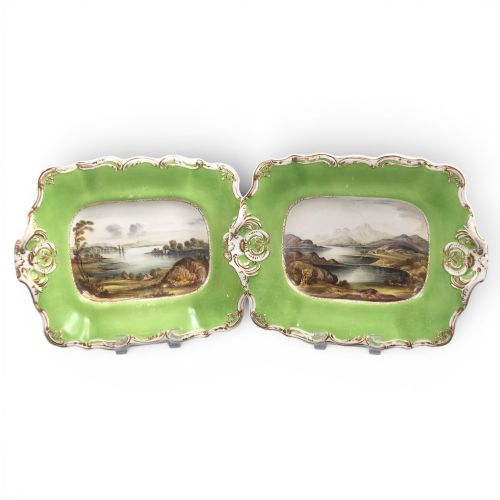
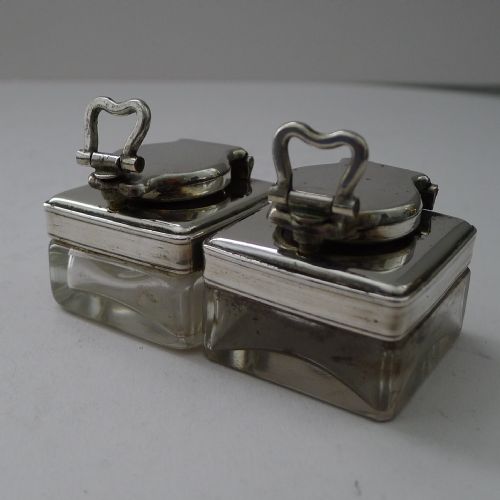
When you search early victorian plate, you encounter a varied group of objects spanning ceramic tableware, metal serving vessels, and interior mirrors. The ceramic examples lean heavily towards blue and white transfer printed earthenware, alongside heavy ironstone china and nursery alphabet dishes. Alongside these sit silver plated wine coasters, entree dishes, and salvers produced by prominent Sheffield manufacturers.
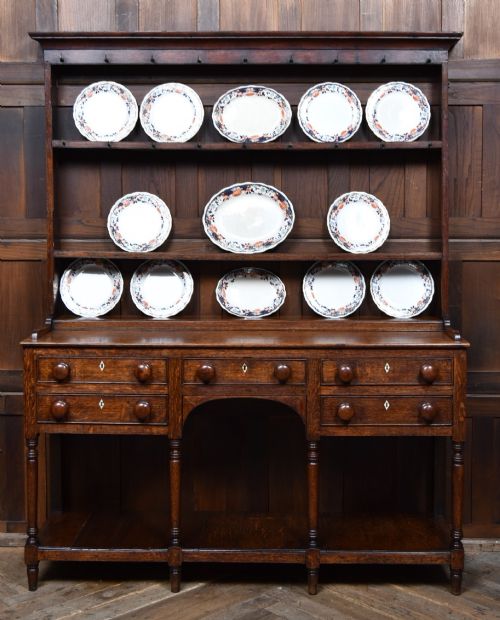
The materials recorded in the evidence range from earthenware and glass to silver plate, gold leaf, and maple framing. Forms vary from functional kitchen dressers and plate display racks to decorative wall mirrors and printing plates. This mixture reflects domestic dining traditions and the expansive manufacturing output of the nineteenth century.
Materials and construction methods
Ceramic pieces rely on earthenware bodies finished with transfer printed designs in blue and white, or stout ironstone formulations. Glass elements appear alongside silver plate and Old Sheffield Plate, combining fused metals with blown or moulded vessels.
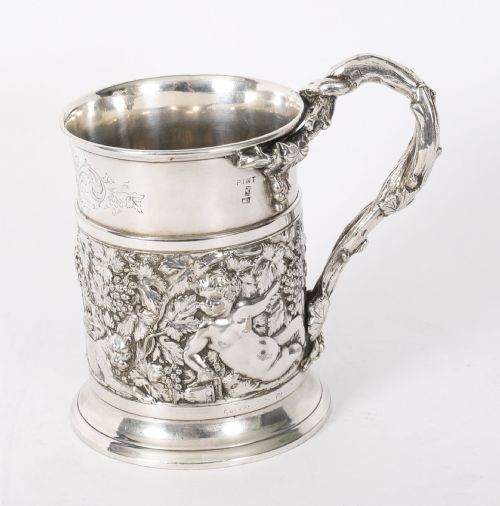
Metal items utilise silver plating techniques, embossing, and engraving upon copper or base metal foundations. Wooden components such as oak dressers and maple frames provide structural support for display racks and mirrors.
Early nursery alphabet plates remind us that even breakfast time doubled as a spelling lesson.
Distinctions in craftsmanship
Quality rests upon the crispness of the transfer printing on ceramics and the depth of the engraving on metalwork. Finer pieces demonstrate precise execution by recognised makers, while simpler items show standard commercial production.
The preservation of original silver plating, applied mounts, and structural integrity across wooden frames or ceramic bodies defines the upper tier of surviving examples.
G R Collis·Copeland and Garrett·Hawksworth Eyre and Co·Thomas Parkins·S and B Solomons·Elkington
The Early Victorian Plate Glossary
- Transfer print
- A decorative technique where an engraved metal plate transfers a design onto paper and then onto pottery before glazing. This method allowed intricate blue and white patterns to be produced in volume.
- Old Sheffield Plate
- An early form of composite metal made by fusing a thin sheet of silver to a thicker copper base. Pieces made this way display distinct edge junctions upon close inspection.
- Ironstone China
- A durable type of heavy earthenware patented in the nineteenth century to rival porcelain. It provides a sturdy body for large meat platters and serving dishes.
- Entree dish
- A covered serving vessel designed for the dining table during formal meals. These containers often include warming stands and silver plated mounts.
- Salver
- A flat metal serving tray raised on small feet, utilised for presenting glasses or documents. The finest examples feature elaborate embossed and engraved borders.
Early Victorian Plate: Frequently Asked Questions
What is early victorian plate?
Early victorian plate encompasses ceramic tableware such as transfer printed earthenware and ironstone, alongside silver plated dining accessories like coasters and entree dishes.
These items originate from the nineteenth century and reflect the domestic dining and display habits of the period.
How do I identify transfer printed ceramics?
Transfer printed ceramics display monochromatic patterns applied through a paper medium prior to glazing. Blue and white Chinese garden scenes and topographical views dominate this category.
Makers' marks on the underside often confirm the pottery and production era.
What is the difference between silver plate and old sheffield plate?
Old Sheffield Plate involves fusing a thin layer of silver directly onto a copper base through heat and pressure. Later silver plating methods often utilised electroplating techniques developed in the nineteenth century.
Examining the edges can reveal the underlying copper core in older composite pieces.
How were plate racks used?
Plate racks and kitchen dressers provided open storage and display for everyday ceramic tableware. They kept heavy platters and dishes accessible while showcasing the household's pottery.
These oak pieces formed a central fixture in nineteenth century kitchens.