




Iron Red Japanese Platter
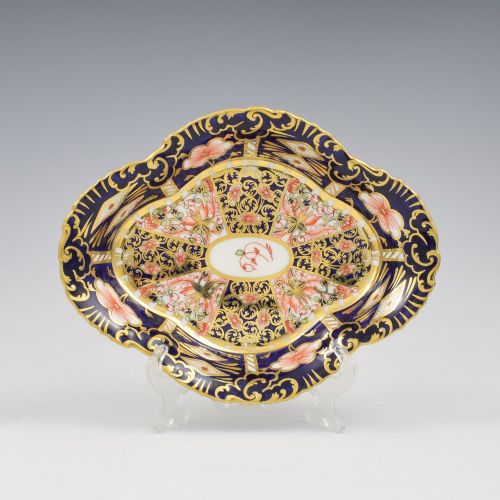
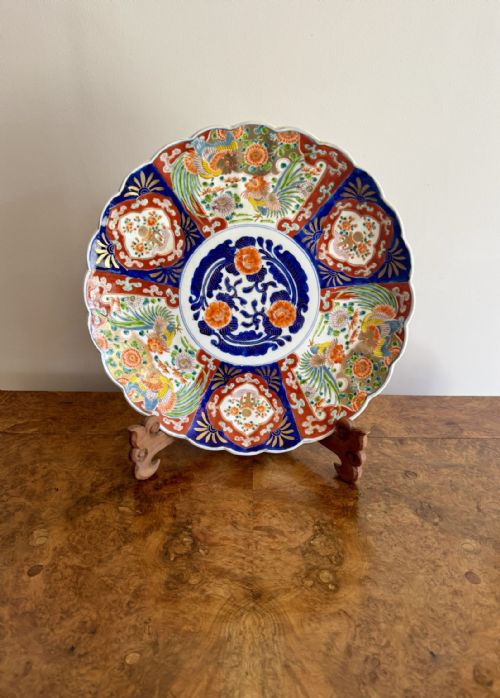
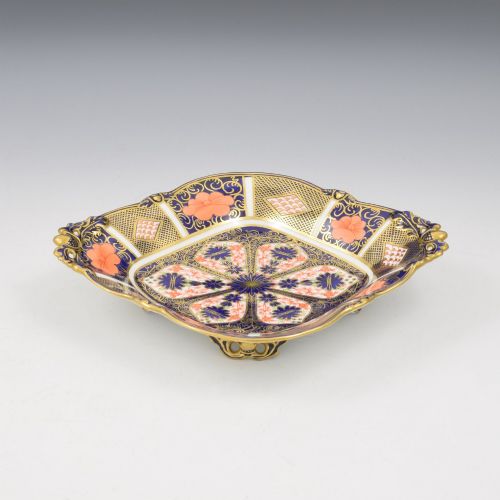
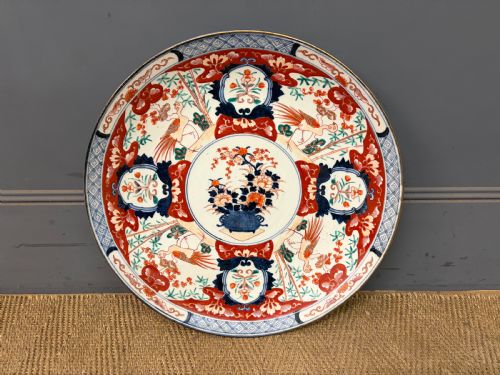
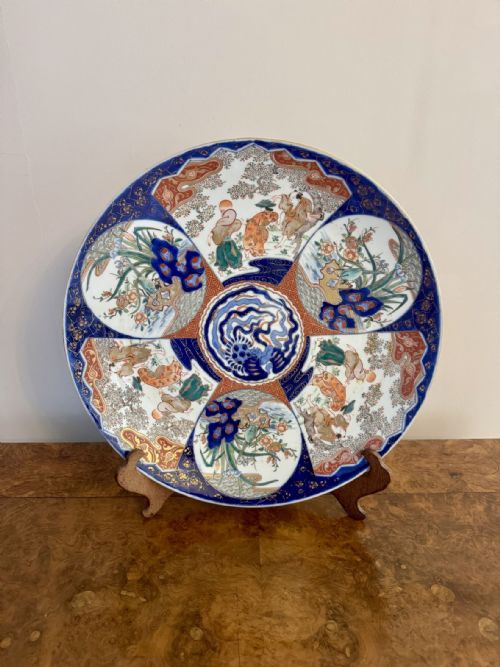
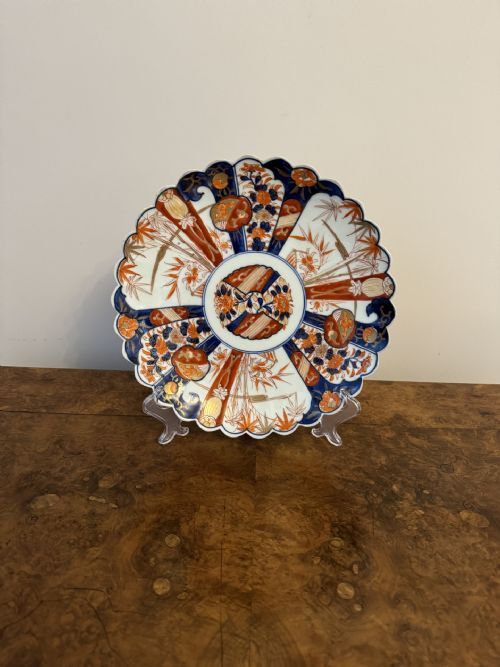
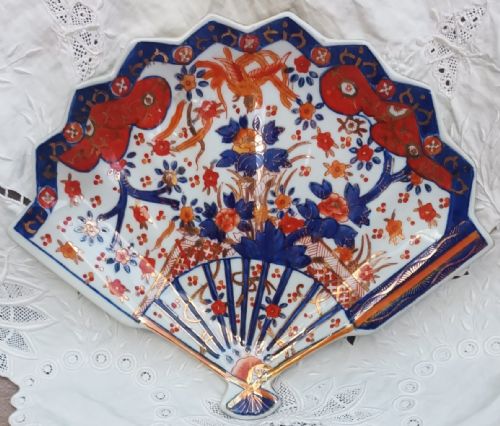
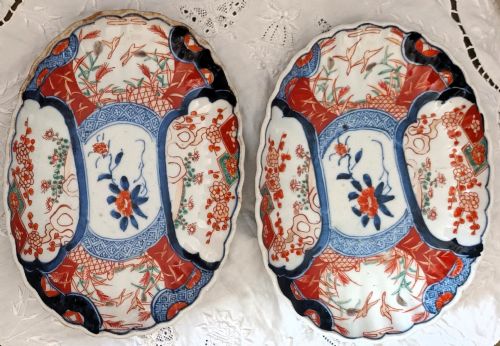
An iron red japanese platter brings bold palettes and intricate hand painted motifs into a room, serving as a striking focal point on walls or tables.

Iron Red Japanese Platter
An iron red japanese platter typically spans the nineteenth and early twentieth centuries, encompassing the Meiji period and Victorian eras. These large decorative plates and chargers arrive in various forms, including traditional circular chargers, scalloped edges, and square plates.
The most common examples on this page are Japanese Imari chargers and dishes, alongside a few English interpretations and Kutani shallow bowls. Pieces often display traditional subjects such as floral and bird designs or depictions of the Seven Lucky Gods.
Materials and Construction
Makers shaped these items from white porcelain, applying cobalt underglaze details beneath the glossy surface. Artisans then introduced the characteristic iron red enamel alongside other pigments to build up complex polychrome patterns.
Many items incorporate additional highlights of gold leaf, gilt, and gilding to accentuate the painted borders and central motifs. Each piece relies on careful hand painting before undergoing high temperature kiln firing.
Current selections span porcelain plates and chargers created during the nineteenth century, the Meiji period, and the Victorian era.
Distinguishing Quality
The finest examples display exceptional control in hand painted brushwork, creating precise floral, bird, and figural details with sharp clarity. Superior pieces maintain vibrant enamel colours and balanced compositions across large charger surfaces.
Subtleties in porcelain potting and the crisp application of gilt or gold leaf separate standard decorative wares from masterworks. The presence of artist signatures, such as Shozo on Kutani bowls, further elevates certain pieces.
Shozo
The Iron Red Japanese Platter Glossary
- Imari
- A style of Japanese porcelain featuring a distinct palette of cobalt blue underglaze and iron red overglaze, frequently enriched with gold. This decorative tradition heavily influenced European ceramic production during later centuries.
- Charger
- A large ornamental plate typically displayed on walls or sideboard stands rather than used for dining. These substantial pieces provide a broad canvas for complex hand painted designs.
- Meiji Period
- The era in Japanese history spanning from 1868 to 1912, noted for a significant output of porcelain destined for international export. Items from this time often exhibit intricate pictorial narratives.
- Cobalt Underglaze
- A blue pigment applied to raw porcelain clay before glazing and firing, ensuring the colour remains permanent and protected beneath the glassy surface. It forms the dark foundational lines of many traditional patterns.
- Kutani
- A style of Japanese pottery and porcelain originating from Ishikawa prefecture, known for bold colour palettes and detailed pictorial scenes. These shallow bowls and plates often bear artist signatures on the underside.
Iron Red Japanese Platter: Frequently Asked Questions
What is an iron red japanese platter?
An iron red japanese platter is a decorative ceramic plate or charger characterised by its prominent rust red enamel colouring. These pieces are typically hand painted with traditional motifs.
Originating largely from the Meiji period, they serve as substantial display objects rather than everyday tableware.
How were these platters used?
These large plates and chargers were primarily created for decorative display on walls, cabinets, or tables. Their striking visual impact made them popular ornamental items in both Japanese interiors and Western export markets.
They function today as historic art pieces rather than practical serving dishes.
How do I date a Meiji period piece?
Dating items from this era involves examining the potting characteristics, the style of the hand painted motifs, and the specific composition of the glazes. The Meiji period spans from 1868 to 1912.
Related Victorian items often share similar decorative aesthetics due to concurrent global export trends.
Can I hang a charger on the wall?
Many chargers and large plates were designed with display in mind, though appropriate mounting hardware should be selected with care. The weight and diameter of the porcelain require secure support.
Proper hanging allows the intricate floral, bird, and figural designs to be viewed safely.