




Iron Red Ceramic Vases
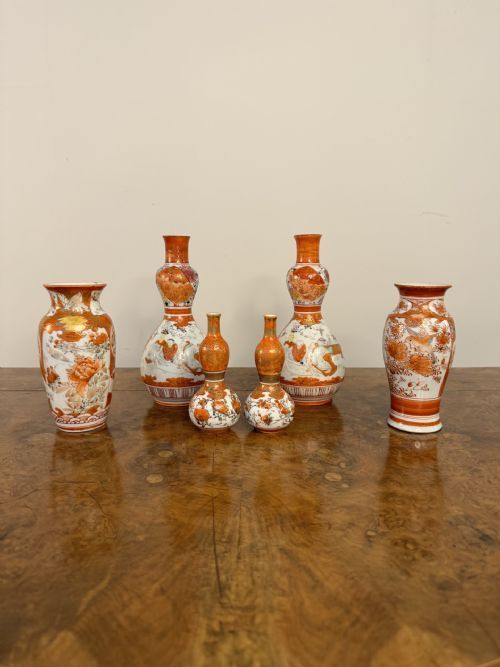
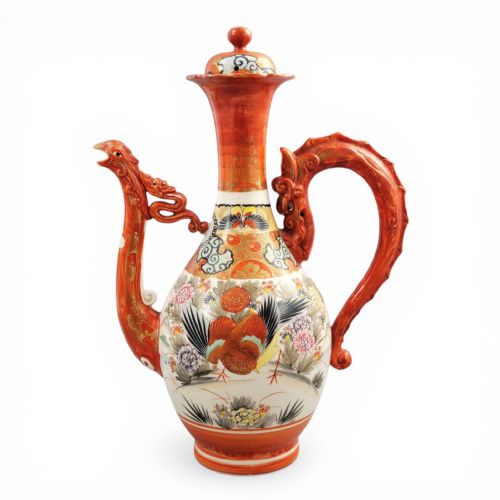
Iron red ceramic vases bring striking metallic-orange iron red tones to interiors through centuries of Japanese Imari and Chinese porcelain craftsmanship.

Iron Red Ceramic Vases
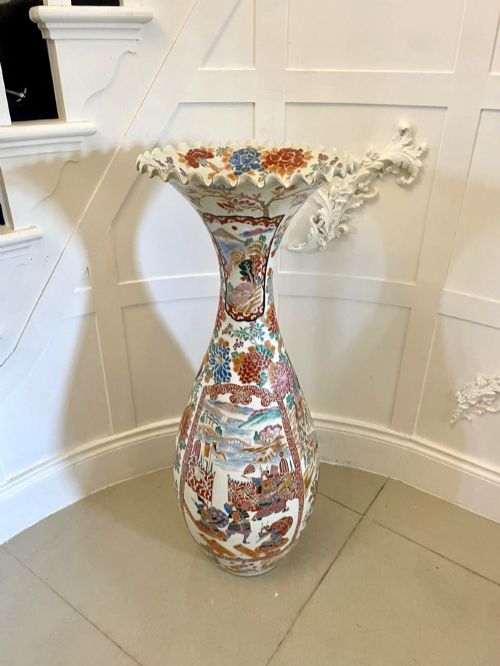
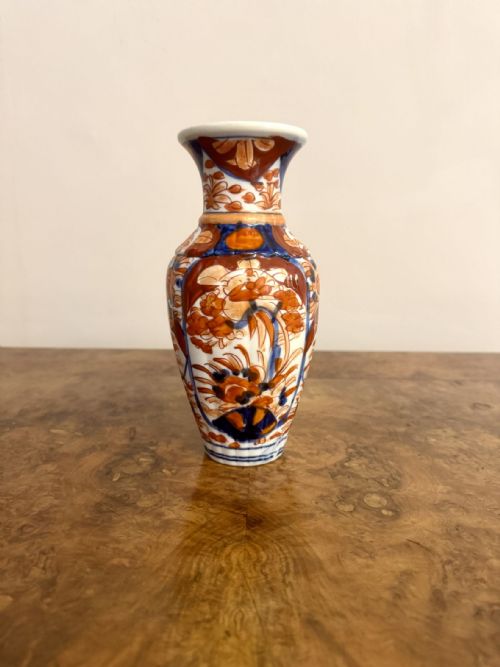
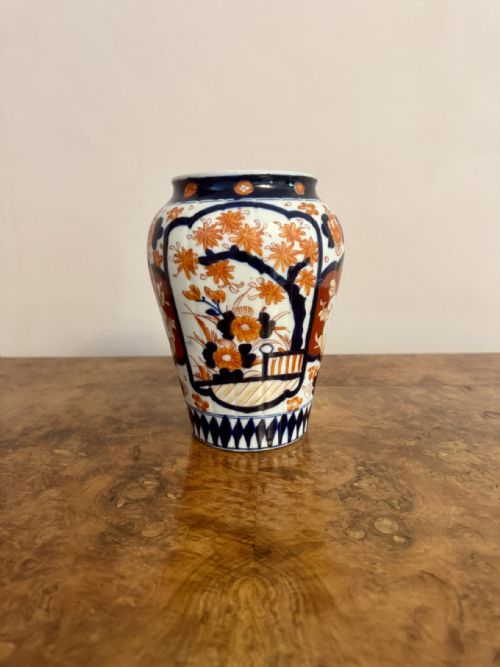
When you search for iron red ceramic vases, you encounter pieces that showcase iron red pigments applied to porcelain and ceramic bodies. The selection spans floor-standing pieces, pairs of baluster vessels, and smaller decorative jars.
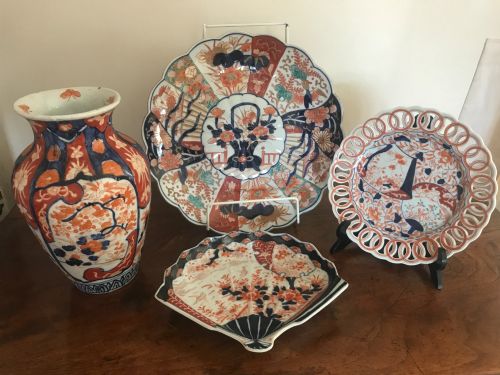
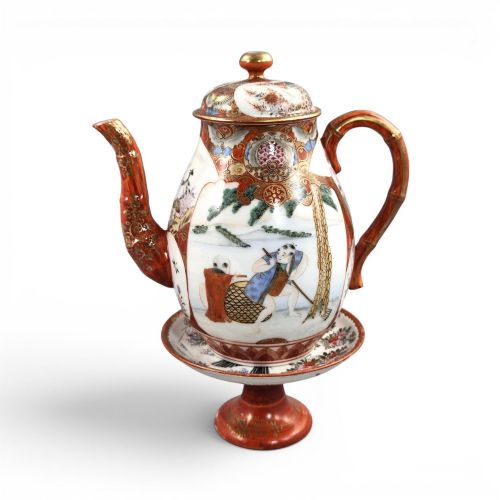
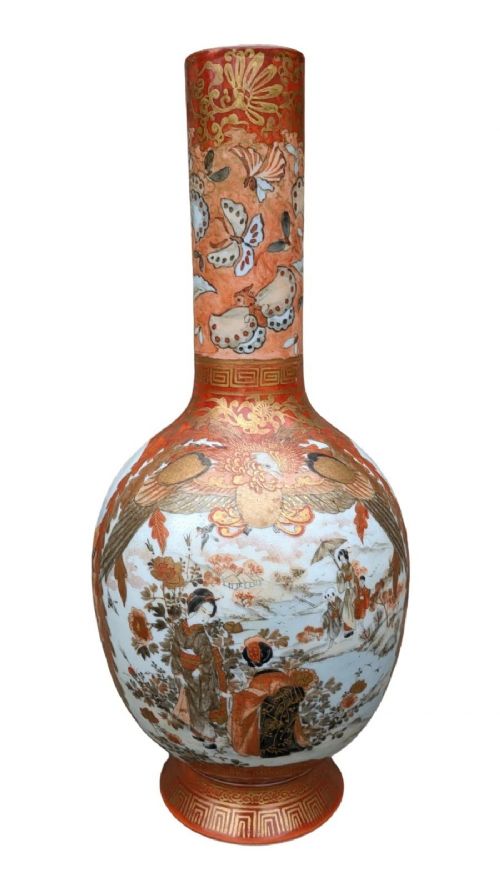
The objects originate primarily from Japanese traditions such as Imari, Kutani, and Satsuma wares, alongside Chinese porcelain pieces. Many date from the nineteenth century, including the Meiji period and Edwardian era, with earlier examples extending back to the seventeenth century and sixteenth century.
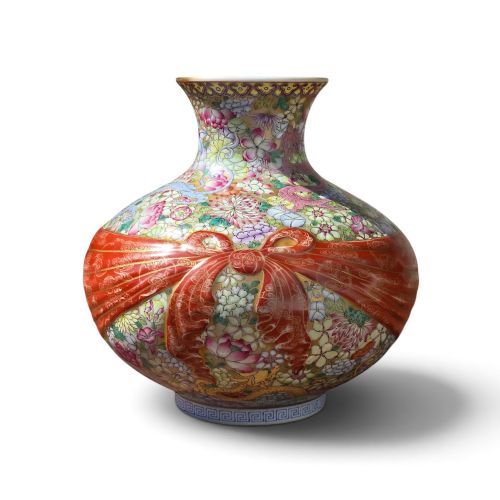
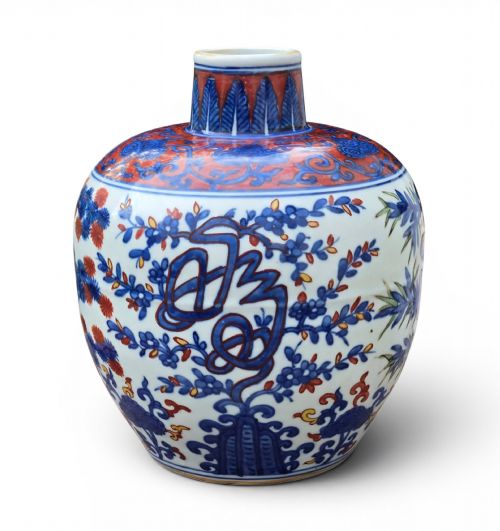
Buyers often meet Japanese Imari styles decorated with rich enamels and gilding. Chinese works featuring ribbon-wrapped motifs, dragons, and millefleurs designs also appear among the available forms.
How they were made
Potters shaped these vessels from fine porcelain and ceramic clay bodies before applying glazes and iron red enamel pigments. Artisans frequently enhanced the decoration with gold leaf, gilding, and brass mounts.
Techniques combined underglaze blue painting with overglaze enamels in red and green, alongside intricate hand-painted patterns depicting dragons, bamboo, and floral arrangements. Kiln firing fixed the metallic iron oxide pigments to create the characteristic rusty-red hue.
Some nineteenth-century makers cleverly repurposed porcelain vases into table lamps by adding brass mounts, letting electricity illuminate antique dragons.
What varies in quality
Quality rests upon the precision of the hand-painted brushwork and the vibrancy of the iron red enamel against the porcelain body. Pieces demonstrating superior detail in figures, dragons, or floral motifs command attention.
The crispness of gilding and the balance of secondary colours like blue and gold elevate certain works above standard production pieces. Intact pairs and large floor-standing vessels represent higher levels of survival and craftsmanship.
The Iron Red Ceramic Vases Glossary
- Imari
- A style of Japanese porcelain decorated in underglaze blue, iron red, and gold. It originated in Hizen province and gained immense popularity in Europe.
- Kutani
- A type of Japanese coloured porcelain known for bold designs and extensive use of iron red and gold. These wares often depict figures, birds, and natural landscapes.
- Baluster
- A vase form with a rounded body that tapers towards the neck and base. This shape provides stability and visual balance for decorative painting.
- Millefleurs
- A decorative pattern meaning a thousand flowers, covering the entire surface of the porcelain in dense floral detail. It requires exceptional skill to execute on curved ceramic forms.
- Gilding
- The application of gold leaf or powdered gold to the surface of ceramics. It accents the iron red and blue pigment details.
Iron Red Ceramic Vases: Frequently Asked Questions
How do I care for antique ceramic vases?
Dust these porcelain pieces gently with a soft, dry cloth to protect the overglaze enamels and gilding. Avoid using liquid cleaners or harsh chemicals that might damage the historic iron red pigment.
Keep the vases out of direct sunlight to preserve the richness of the colours. Handle them carefully by the body rather than the rim or delicate spouts.
Are these vases suitable for holding water?
Many antique ceramic vases function best as decorative objects rather than vessels for fresh flowers. Historic glazes and hairline fractures from centuries past may not hold water safely.
Using them for display protects the integrity of the porcelain and the iron red enamel. Dried botanicals or artificial stems offer a safe alternative for floral display.
How can I tell Japanese Imari from Kutani?
Japanese Imari typically relies on a distinct palette of underglaze cobalt blue combined with iron red and gold on a white porcelain ground. The patterns often feature structured brocade designs and floral panels.
Kutani wares frequently showcase a heavier dominance of iron red and green enamels with pictorial scenes of figures or nature. The brushwork tends to be painterly and expressive rather than strictly symmetrical.
What period do most of these vases come from?
The majority of pieces date from the nineteenth century, particularly the Meiji period in Japan. This era produced significant quantities of Imari and Kutani export porcelain.
Earlier examples from the seventeenth century and sixteenth century appear less frequently. Edwardian adaptations from the early twentieth century also form part of the selection.