


Gilt Orange Porcelain Vase
These gilt orange porcelain vase examples bring vibrant palettes and metallic highlights to a room, offering striking decorative presence from Georgian British factories to Japanese export kilns.
Gilt Orange Porcelain Vase
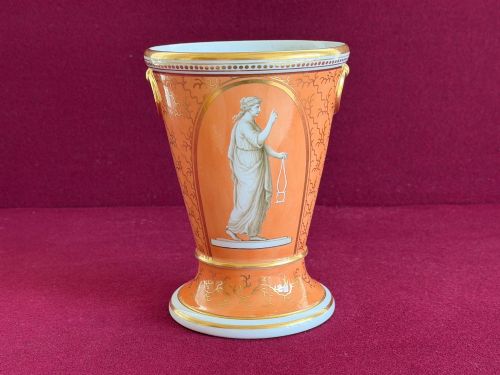
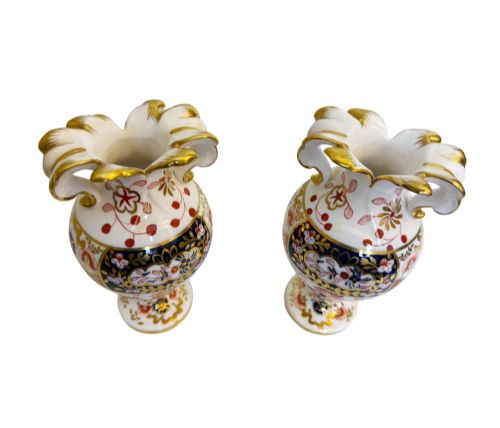
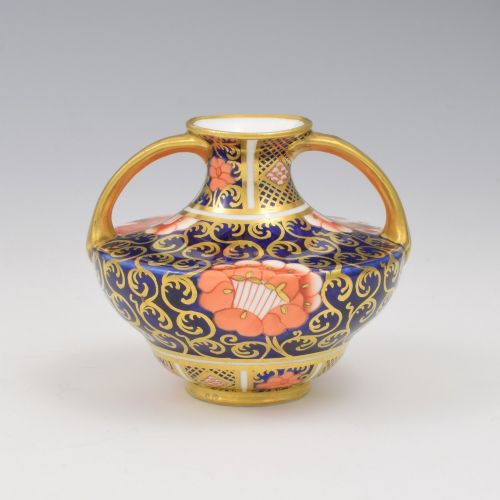
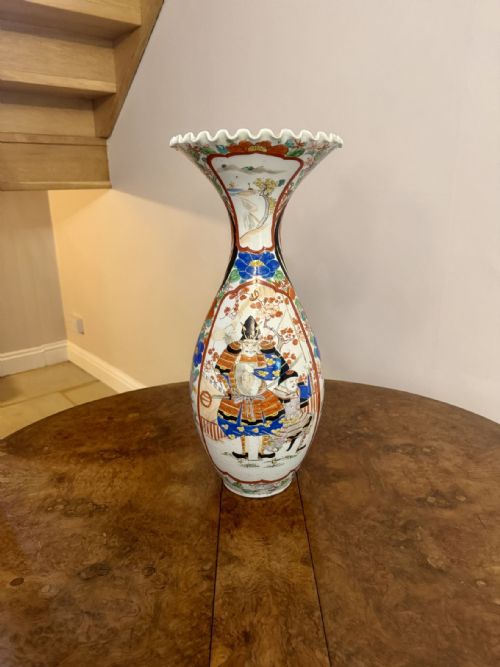
A gilt orange porcelain vase brings together striking orange ceramic grounds and contrasting metallic gilding across multiple periods. Collectors searching this phrase encounter diverse forms ranging from English bone china jardinieres to Japanese Imari and Kutani export wares.
The pieces listed span Georgian, Victorian, Edwardian, and Meiji eras, showing how different cultures interpreted this vibrant colour combination. English factories like Worcester and Spode sit alongside Japanese Kutani and Satsuma workshops in the surviving record.
Materials and construction
Makers shaped these vessels from high-fired porcelain and bone china, applying vibrant orange pigments directly onto the ceramic body. Artisans then added intricate gold leaf or gilt details by hand before a final kiln firing.
Many examples incorporate brass fittings, silk shades, or wooden stands, particularly when adapted into table lamps or floor vases during later centuries. The combination of enamel painting and metallic gilding required precise temperature control during production.
Several towering floor vases reach heights up to forty-five inches, demanding substantial space and an exceptionally sturdy room.
Factors of quality
Quality rests upon the precision of the hand-painted enamel work and the thickness of the applied gold leaf. Finer pieces display crisp botanical or figural motifs that remain sharp across the curved ceramic surface.
The weight and translucency of the porcelain body also distinguish finer output, alongside the stability of any applied metal mounts or stands. Early Georgian and Meiji period examples generally demonstrate superior glaze clarity compared to later mass-produced alternatives.
Flight And Barr Worcester·Spode·Royal Crown Derby
The Gilt Orange Porcelain Vase Glossary
- Imari
- A traditional Japanese export style featuring underglaze blue and iron red with extensive gilding. This decorative vocabulary heavily influenced European porcelain factories during the eighteenth and nineteenth centuries.
- Kutani
- A style of Japanese coloured porcelain known for bold palettes and detailed pictorial designs. These pieces frequently employ rich orange and gold tones across floral and figural compositions.
- Jardiniere
- A large ceramic pot designed to hold live plants rather than cut flowers. They often feature robust twin handles and wide rims suited for indoor display.
- Satsuma
- A type of earthenware from Japan characterised by an ivory crackle-glaze and elaborate polychrome enamel decoration. Artisans often enhanced these works with heavy gold detailing.
- Gilt
- Covered thinly with gold leaf or gold paint. This technique accentuates relief moulding and painted borders on ceramic vessels.
Gilt Orange Porcelain Vase: Frequently Asked Questions
What periods do these vases date from?
The available selection spans from the eighteenth century through to the early twentieth century. This includes Georgian, Victorian, Edwardian, and Meiji period examples.
English factories and Japanese export kilns both contributed significantly to this design tradition during these eras.
How were these vases originally used?
Many smaller vessels served as mantelpiece ornaments or miniature cabinet pieces, while larger examples functioned as floor vases or jardinieres for plants.
Some nineteenth-century pieces were subsequently converted into table lamps with brass hardware and silk components.
Are these pieces suitable for everyday display?
These decorative items require careful placement away from direct sunlight and high-traffic areas to protect their hand-painted enamel and gold leaf. Cleaning should be limited to gentle dusting with a soft dry cloth.
Water should not be placed inside converted lamp bases or antique pieces with vulnerable enamel work.