


Pair Orange Ceramic Vases
Pair orange ceramic vases bring symmetry and colour to a room, drawing the eye with matching forms and vibrant palette.
Pair Orange Ceramic Vases
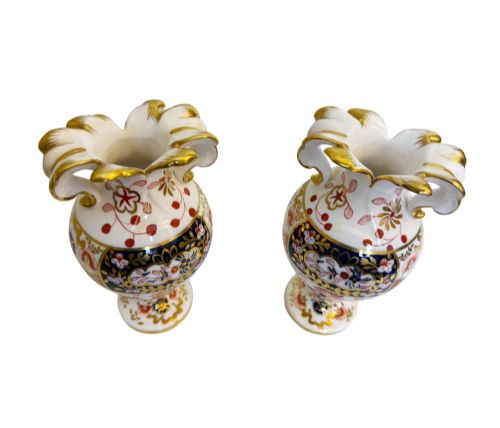
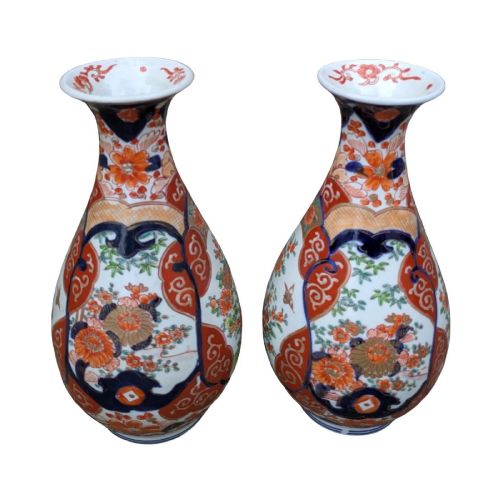
When you search for pair orange ceramic vases, you find matched pairs spanning the eighteenth, nineteenth, and early twentieth centuries. These decorative vessels appear in forms such as double gourde, bottle-shaped, lidded, and floor vases.
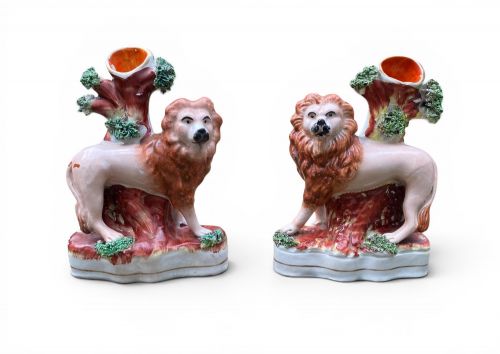
The selections include Japanese Imari and Kutani wares, alongside European examples from Staffordshire, Wedgwood, and Dutch Delft potteries. Many pieces reflect Victorian and Edwardian tastes for symmetrical interior display.
Table lamps and spill vases also emerge among the ceramic and porcelain pieces, showing the variety of functional and decorative roles these matched pairs fulfilled in period homes.
How they were made
Potters shaped these vessels using earthenware and porcelain clays, applying lead or enamel glazes to create hard, vitreous surfaces. Artisans frequently added hand-painted details in polychrome pigments and gold leaf to enrich the ceramic body.
Japanese export workshops and European factories utilised traditional wheel-throwing and moulding techniques to achieve the balanced proportions required for matched pairs. Kiln firing fixed the underglaze and overglaze colours into the ceramic body.
Listings feature porcelain and earthenware materials decorated with enamel, glaze, and gold leaf across the nineteenth and early twentieth centuries.
What varies in quality
The distinction between standard production and superior work rests on the precision of the hand-painted brushwork and the complexity of the glaze composition. Finely rendered polychrome details and well-preserved gilding elevate the status of a matched pair.
The crispness of the ceramic moulding and the symmetry between the two vessels also indicate the skill of the maker. Pieces bearing identifiable factory marks or originating from notable periods like the Meiji era command greater attention.
Spode·Staffordshire pottery·Drie klokken Factory·Wedgwood·Fukagawa
The Pair Orange Ceramic Vases Glossary
- Imari
- A style of Japanese porcelain featuring a palette of iron red, underglaze blue, and gold. This decorative scheme became immensely popular for export to European markets.
- Kutani
- A type of Japanese porcelain and pottery known for bold coloured enamels and pictorial designs. Pieces often depict figurative or natural scenes.
- Spill vase
- A small cylindrical vessel designed to hold taper candles or wooden spills used for lighting fires. These functional items became decorative fireplace ornaments.
- Double gourde
- A vessel shape formed by two bulbous stacked sections resembling a traditional gourd fruit. This silhouette appears frequently in Asian and European ceramics.
- Polychrome
- Decoration employing multiple distinct colours across the ceramic surface. Artisans applied these mineral pigments before or after the initial glaze firing.
Pair Orange Ceramic Vases: Frequently Asked Questions
How do I style a pair in a modern room?
Place the vessels symmetrically on a mantelpiece, sideboard, or console table to establish a balanced focal point. Their colourful palette works well against neutral walls.
Ensure they sit on stable surfaces away from high-traffic areas to protect their ceramic bodies and delicate painted surfaces.
Were these vases made as lamps?
Many nineteenth-century porcelain vessels were converted into table lamps during later periods to suit modern lighting needs. Some examples retain their original ceramic form without electrical fittings.
Check the base and collar for any drilled holes or mounting hardware that indicates a conversion from a standalone vase.
What is the difference between Imari and Kutani?
Imari wares rely on a distinct combination of underglaze blue, iron red, and gold leaf, often featuring geometric and floral panels. They originated primarily in the Arita region of Japan.
Kutani ceramics utilise a broader, heavier palette of coloured enamels, frequently showcasing pictorial scenes with rich, expressive brushwork.
How do I care for antique ceramic vases?
Dust the surfaces gently with a soft, dry cloth to prevent accumulation of dirt in the recesses of the glaze. Avoid using chemical cleaners or abrasive pads.
Keep the vessels out of direct sunlight to prevent fading of the overglaze enamels and gold leaf details over time.