


Oriental Decorative Table Vases
Oriental decorative table vases bring colour and intricate narrative scenes directly into domestic rooms.
Oriental Decorative Table Vases
Oriental decorative table vases encompass diverse ceramic and metal vessels originating from Chinese and Japanese traditions across multiple centuries. A buyer searching this phrase encounters items ranging from nineteenth-century porcelain baluster forms to heavy bronze pieces, many adapted into table lamps.
Vessels span varying scales, from modest mantel ornaments to large porcelain pairs reaching ninety centimetres in height. Many pieces combine traditional vessel bodies with later electrical fittings designed for modern table use.
Materials and Techniques
Traditional potting methods yielded balanced baluster and bamboo-handle forms shaped from local clays. Surface ornamentation relies on meticulous brushwork for figures and foliage, combined with kiln-fired glazes.
Available forms include decorative vases, table lamps, bouquet pots, and baluster shapes originating across the Meiji, Edo, Qing, and Victorian eras.
Judging Quality
Quality rests in the precision of the hand-painted brushwork and the clarity of the enamel colours across the ceramic surface. Fineness of detail in figural scenes and floral motifs distinguishes superior workmanship from simpler production.
The physical weight of the bronze or the refinement of the porcelain body indicates the standard of original manufacture. Preservation of the painted decoration and any gilt detailing through successive decades remains a primary measure of condition.
Hicks and Meigh·Kinkozan
The Oriental Decorative Table Vases Glossary
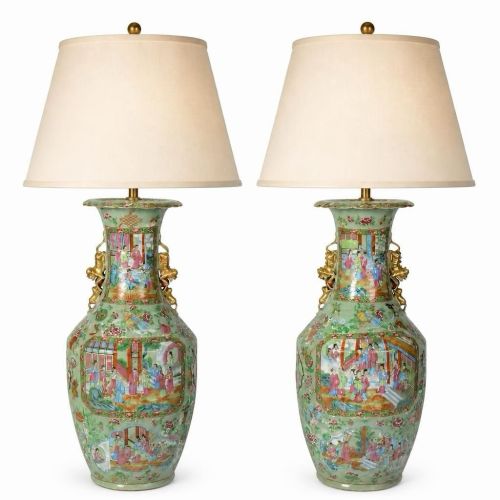
- Famille Rose
- A major palette of Chinese porcelain enamels introduced in the Qing dynasty, characterised by pink opaque colours derived from colloidal gold. This palette allowed artists to achieve subtle tonal gradations in floral and figural designs.
- Famille Verte
- A Chinese porcelain glaze and enamel system dominated by green hues, prominent during the Qing dynasty. Artisans combined these verdant tones with iron red, blue, and yellow to create vibrant pictorial compositions.
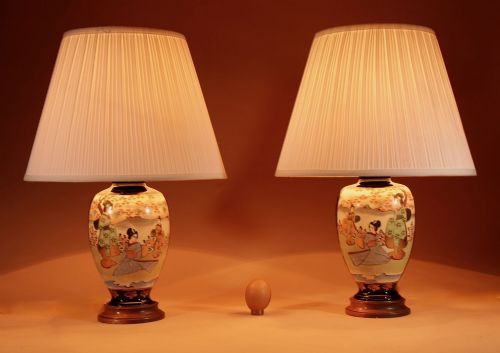
- Satsuma
- Japanese earthenware pottery featuring a crackled ivory glaze decorated with intricate polychrome enamels and gilding. Originating in Satsuma Province, these wares gained widespread popularity during the Meiji period for export markets.
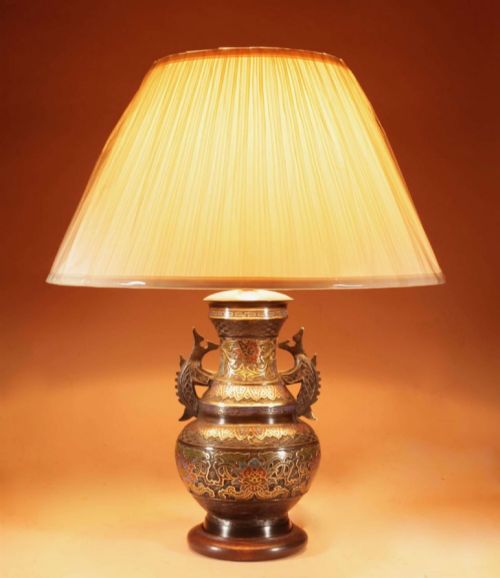
- Champlevé
- An enamelling technique where troughs or cells are carved into a metal surface such as bronze or brass and filled with vitreous enamel powder before firing. The resulting metal partitions outline the decorative motifs.
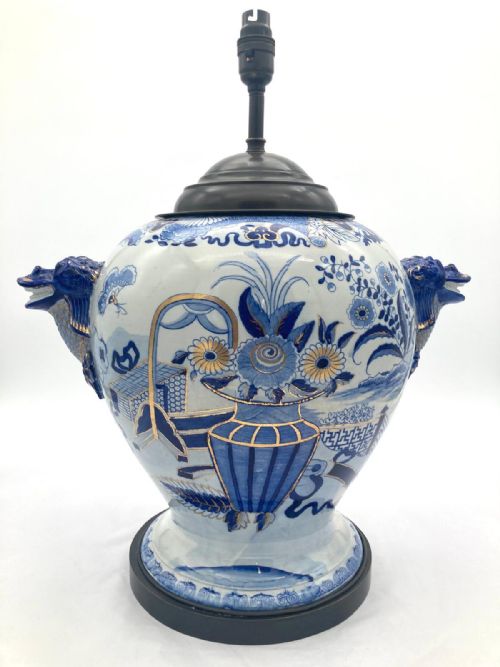
- Imari
- Japanese porcelain produced in Arita and exported through the port of Imari, traditionally decorated in underglaze blue, iron red, and gold. These pieces display strong geometric and floral patterning.
Oriental Decorative Table Vases: Frequently Asked Questions
How do I distinguish Satsuma from Kutani?
Satsuma ware typically displays a warm, crackled ivory-coloured earthenware glaze heavily enriched with polychrome enamel and gilt figures. Kutani porcelain usually presents a distinct colour palette dominated by deep greens and blues on harder ceramic bodies.
Examining the base and the texture of the glaze reveals these fundamental differences in regional Japanese ceramic traditions.
Were these vases made as lamps?
Many pieces began life as traditional display vessels and were converted into table lamps at later dates. This adaptation allowed fragile antique ceramics to serve contemporary interior lighting needs.
Original forms frequently retain their open tops or display discreet wiring modifications tailored for domestic illumination.
How should I clean porcelain surfaces?
Dusting gently with a soft, dry brush preserves the delicate hand-painted enamel and gold leaf decorations. Moisture can harm vulnerable aged glazes and exposed ceramic bodies.
Harsh chemical cleaning agents must be avoided entirely to prevent permanent damage to historic pigments.
How do I identify a Meiji period piece?
Meiji period items date from the reign of the Japanese emperor between eighteen sixty-eight and nineteen twelve. This era marked a surge in elaborate decorative export arts including fine Satsuma ceramics and detailed bronze work.
Stylistic markers include dense pictorial scenes depicting samurai, flora, and fauna executed with exceptional technical precision.