


Inlaid Sheet Music Cabinet
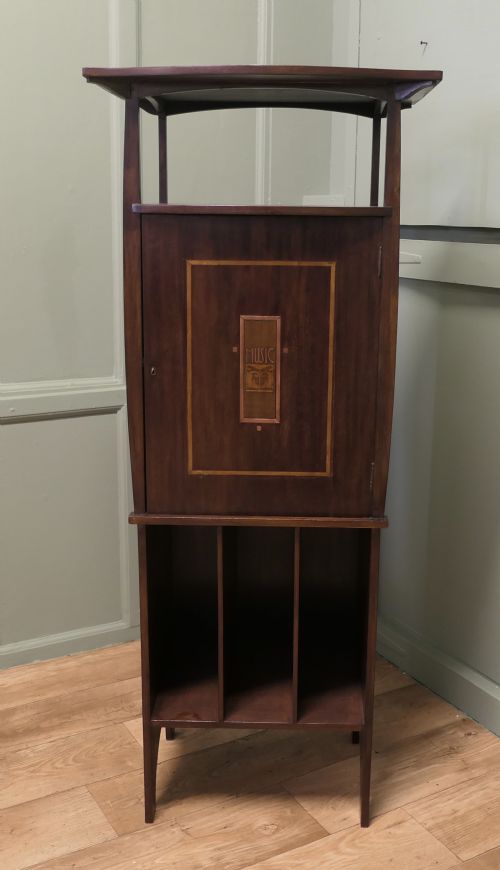
An inlaid sheet music cabinet is a dedicated piece of Victorian or Edwardian furniture designed to hold scores securely while lifting the room with wood inlay.
Inlaid Sheet Music Cabinet
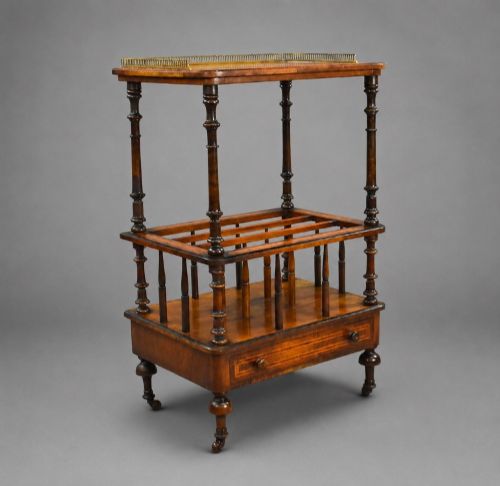
When you search for an inlaid sheet music cabinet, you encounter upright storage pieces alongside low canterburys and open whatnots from the Victorian and Edwardian eras. The records show these pieces arriving in mahogany, walnut, and burr walnut, often spanning the late nineteenth century up to nineteen-thirty.
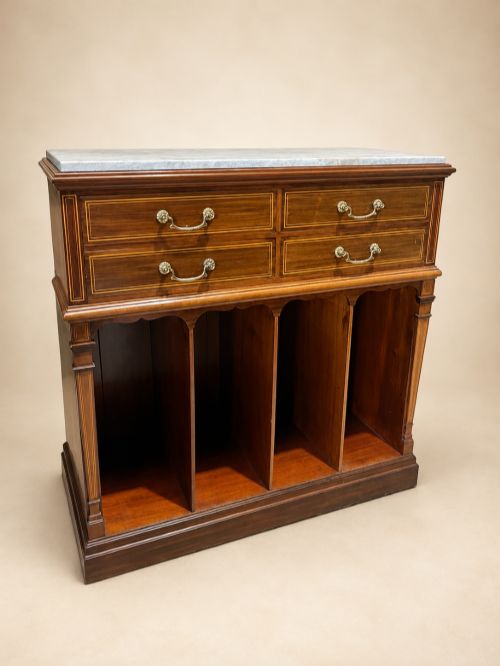
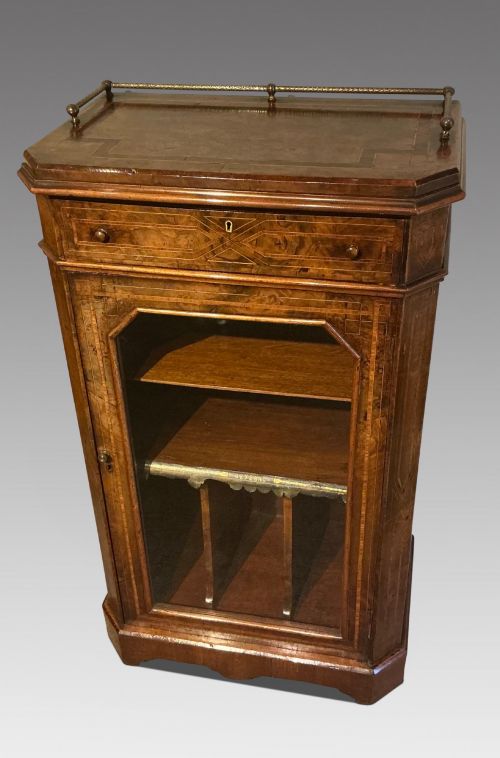
The version most likely to meet you on this page is the Edwardian mahogany cabinet, frequently fitted with multiple drawers for sorting scores. Alongside these upright designs, Victorian burr walnut canterburys and glazed music cupboards appear regularly across the listings.
Makers such as GM Elwood for JS Henry and Keeble of London represent the finer end of these productions, while standard workshops supplied the domestic market with simpler satinwood, rosewood, and ebonised variants.
Materials and technique
Carpenters built the carcase using solid mahogany, walnut, or rosewood, applying decorative veneers such as burr walnut and satinwood across the main surfaces. Wood inlay and boxwood stringing delineate the panels, geometric borders, and door fronts.
Brass handles, hinges, and occasional glass door panels complete the construction of the upright music cabinets and smaller document chests. Ebonising and marquetry techniques also surface on specific Victorian iterations to provide contrast against the primary timber.
Listings feature music cabinets spanning the Victorian and Edwardian periods, constructed primarily in mahogany, walnut, and rosewood with brass and glass elements.
Judging the range
The standard of timber selection largely dictates where a piece sits in the range, moving from plain mahogany boards up to highly figured burr walnut and exotic rosewood veneers. Crispness in the wood inlay and the precision of the boxwood stringing separate standard production from superior output.
Construction details such as dovetailed drawer linings and original brass hardware distinguish the workshop output of named makers from anonymous factory items. The presence of glazed display doors or specialised internal partitions for sheet music elevates the architectural merit of the cabinet.
GM Elwood for JS Henry·Keeble London
The Inlaid Sheet Music Cabinet Glossary
- Canterbury
- A low, partitioned stand originally designed for sheet music or loose folios, often featuring carrying handles and a single lower drawer.
- Marquetry
- The art of forming decorative patterns using thin veneers of different woods applied to a sturdy structural carcase.
- Stringing
- A narrow strip of contrasting timber inlaid flush into the surface of a panel to create a delicate border.
- Whatnot
- An open set of multi-tiered shelves supported by slender uprights, used for displaying small decorative objects.
- Burr walnut
- A figured timber obtained from the knot growths of walnut trees, prized for its swirling grain patterns.
Inlaid Sheet Music Cabinet: Frequently Asked Questions
How were music cabinets used originally?
These cabinets held sheet music, scores, and songbooks near pianos in parlours and drawing rooms. The internal drawers or vertical partitions kept delicate paper documents flat and organised.
Lower canterburys kept working scores close to hand for daily practice, while upright glazed cupboards protected leather-bound volumes from dust and light.
Where should I place a music cabinet?
An upright music cabinet fits well beside a piano, in a study, or within a living room as a compact storage unit for papers and small items. Their narrow footprint allows them to occupy awkward wall spaces where standard bookcases prove too wide.
Canterburys function effectively as lamp tables or beside seating, offering open display space on top while keeping periodicals stored below.
How do I tell Victorian from Edwardian pieces?
Victorian examples generally employ darker timbers like burr walnut, black walnut, and ebonized wood, often featuring heavier proportions and rich marquetry. The construction feels dense and grounded, reflecting mid to late nineteenth-century tastes.
Edwardian pieces lean toward lighter mahogany, satinwood, and rosewood with finer stringing and airier proportions, matching the lighter aesthetic prevalent around nineteen hundred.
What maintenance do these cabinets need?
Keep the wood nourished with appropriate wax polishes and protect the surfaces from direct sunlight and excessive moisture. Avoid placing them near heat sources that might dry out the veneer and cause lifting.
Check brass handles and hinges periodically, tightening screws gently if movement occurs through normal household use.