
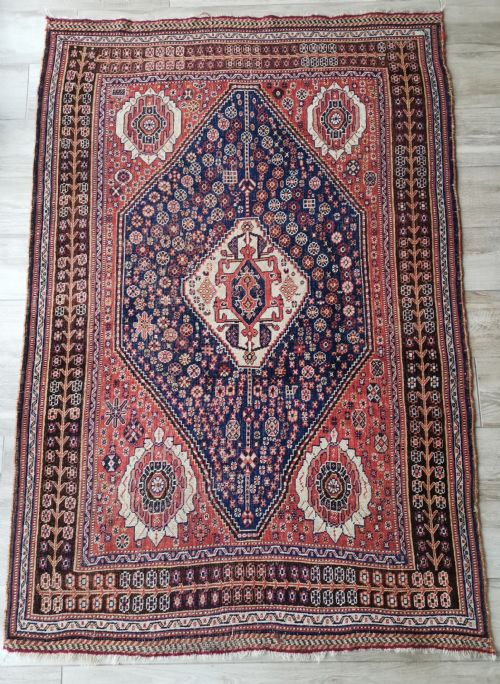
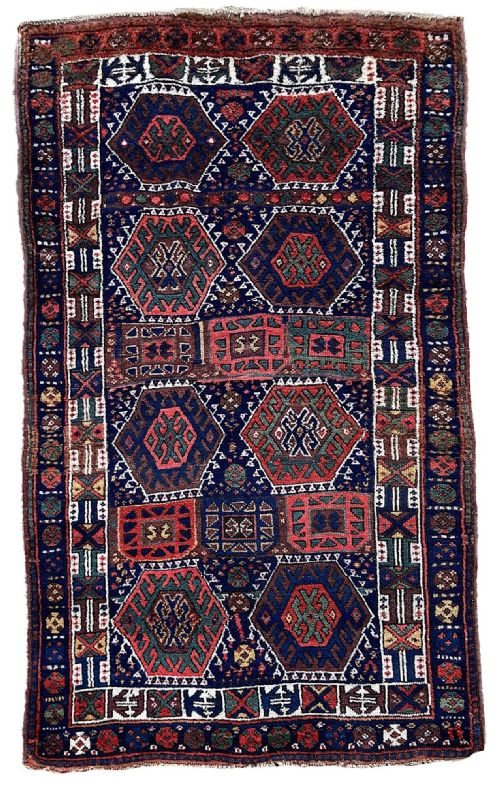

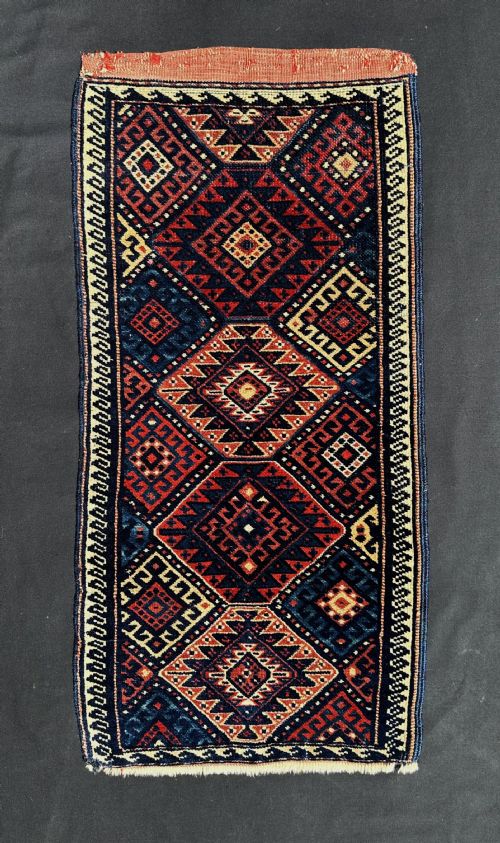
Indigo Wool Tribal Rug
An indigo wool tribal rug brings deep colour and nomadic artistry into a room, offering tactile warmth and historic character.
Indigo Wool Tribal Rug
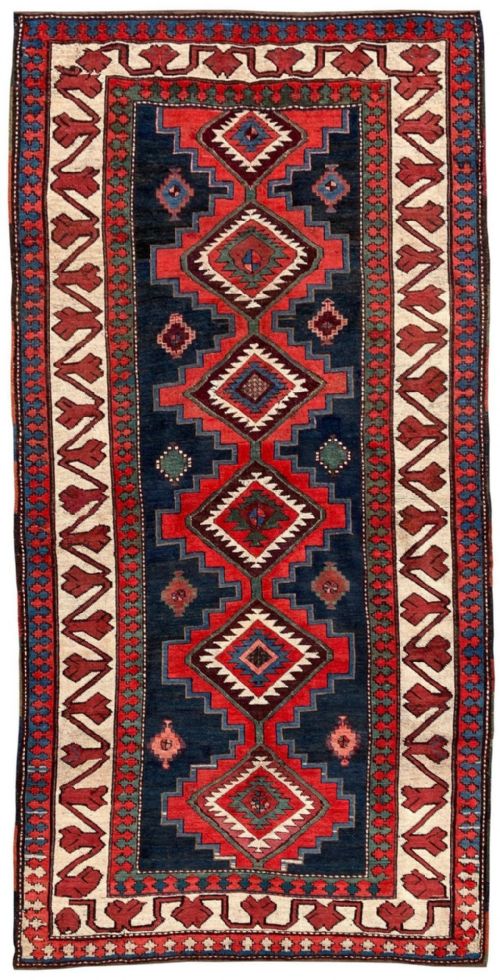
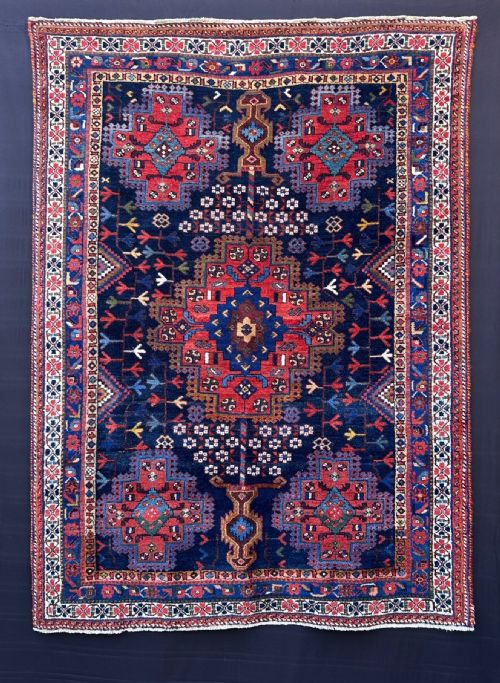
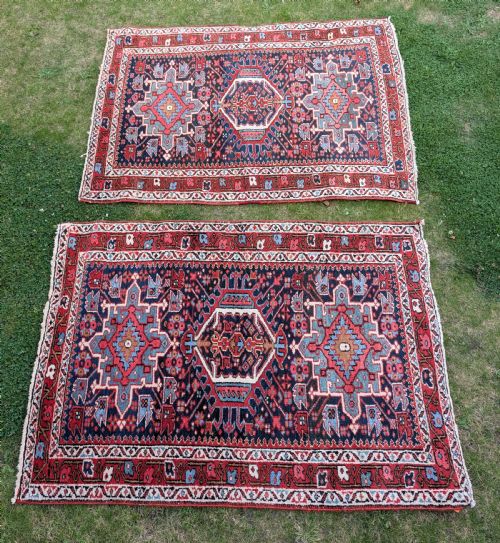
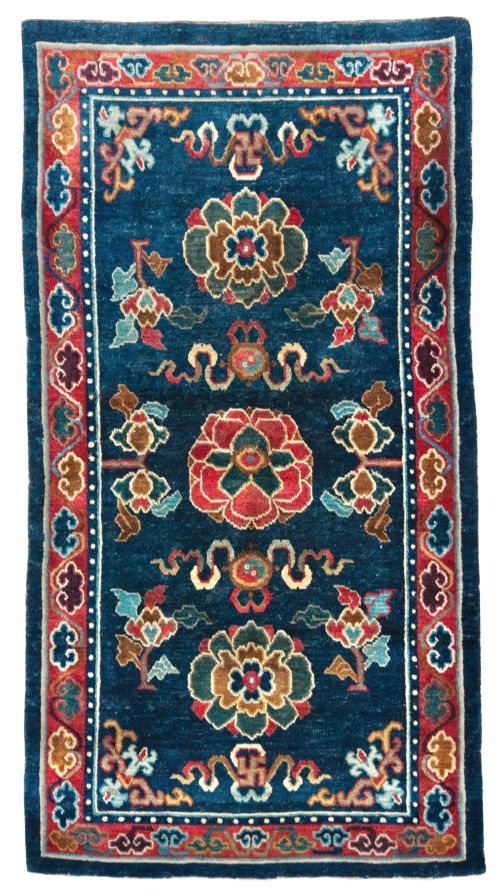
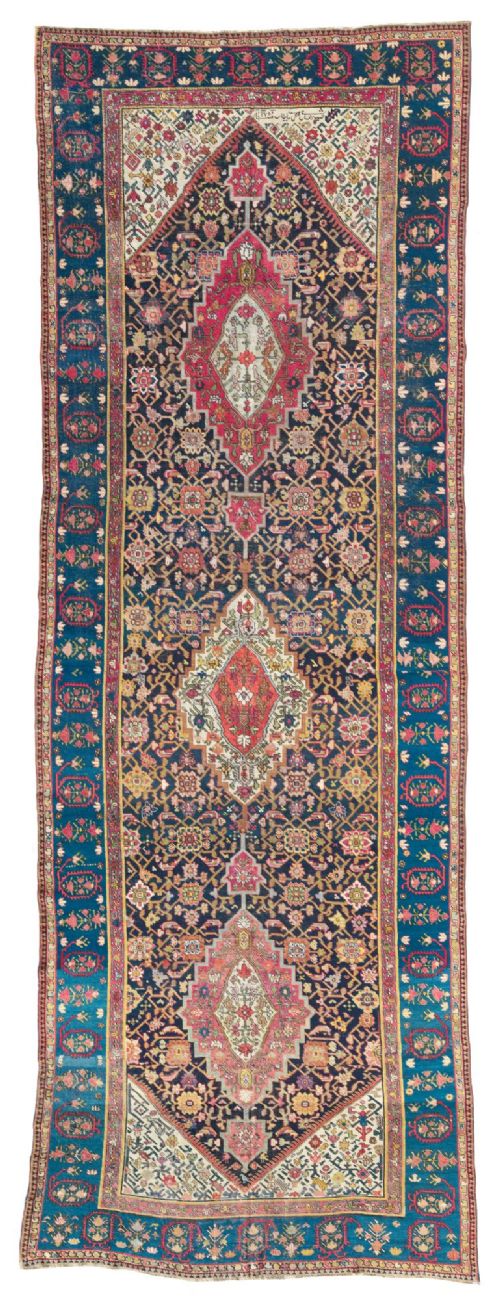
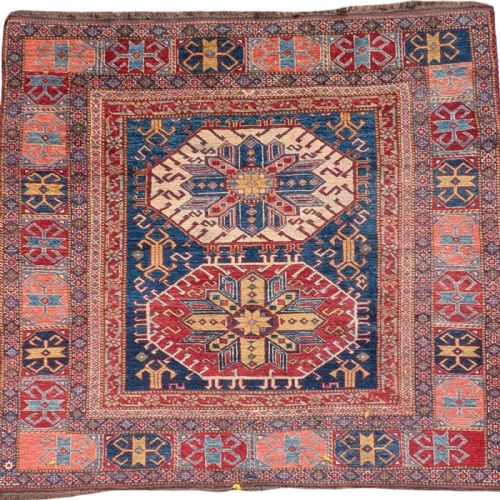
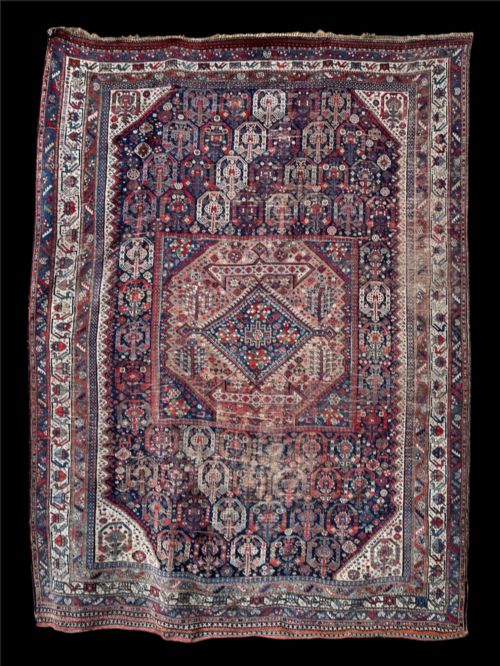
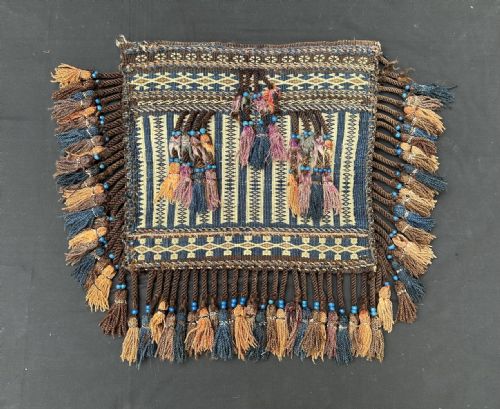
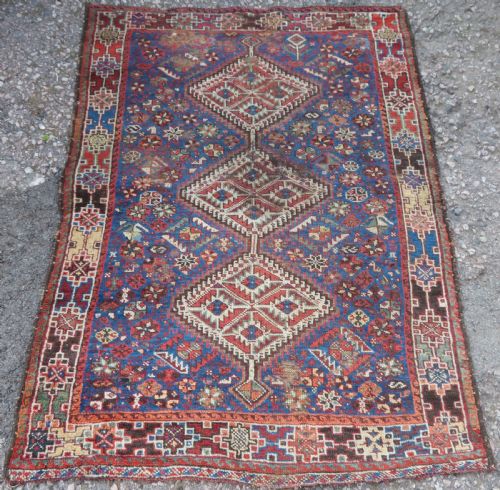
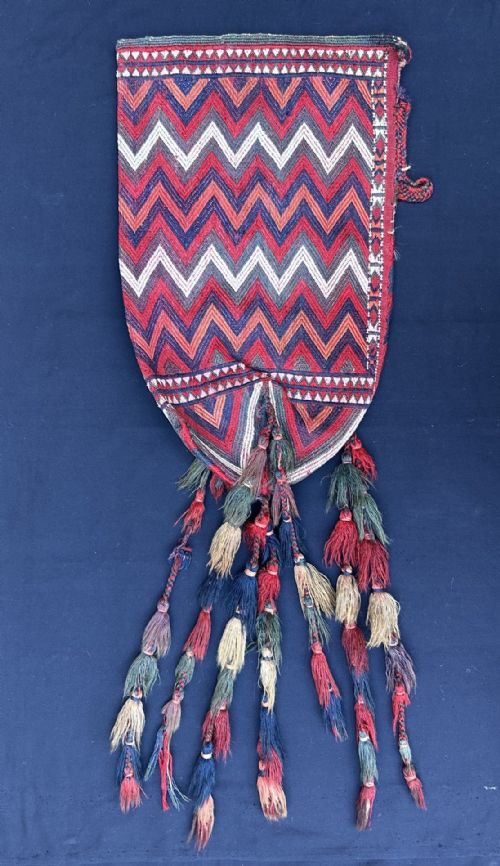
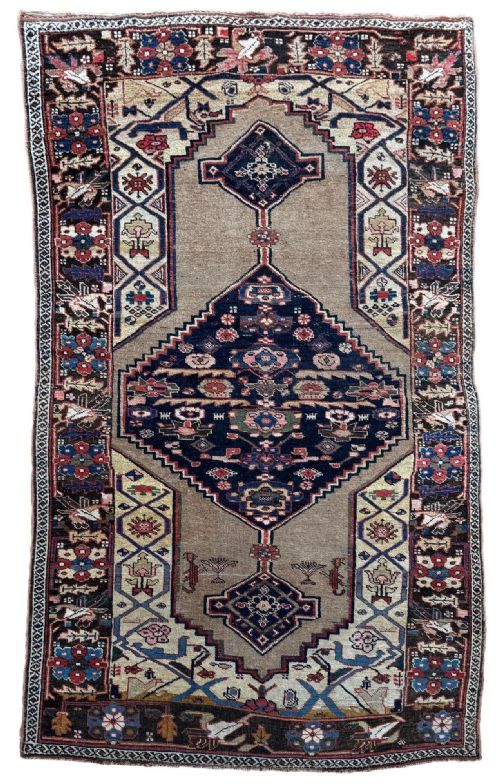
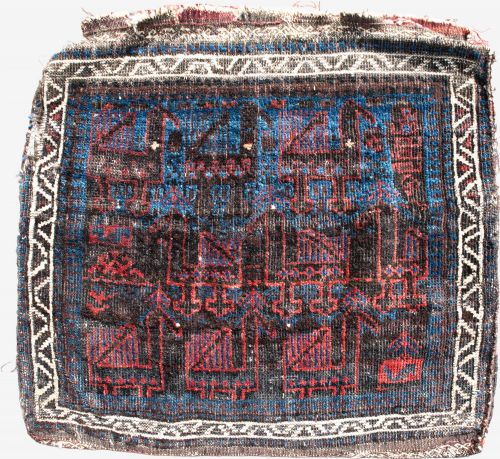
An indigo wool tribal rug represents the weaving traditions of nomadic and village groups from regions such as Persia, Afghanistan, and the Caucasus. These pieces include small rugs, prayer rugs, and pillow bag-faces created during the nineteenth and early twentieth centuries. Each item reflects the distinct visual vocabulary of tribes including the Kurdish, Baluch, Qashqai, and Kazak peoples.
The version most commonly met on this page is the antique village or tribal format dating from around eighteen-eighty to nineteen-twenty. These floor coverings and prayer rugs display geometric motifs, mihrab designs, and repeat medallions executed in rich blue and dark wool tones. They serve as functional floor textiles that carry the heritage of regional tribal weaving.
Materials and construction
These textiles rely entirely on hand-spun wool for their piles and foundations, providing a dense and durable structure. Artisans utilised natural dyes to achieve deep indigo hues and contrasting shades within the geometric patterns. The combination of hand-spinning and natural colourants gives each piece a varied surface texture and tonal depth.
Weavers constructed these rugs using traditional village and nomadic knotting techniques suited to portable looms. The resulting fabric accommodates intricate designs such as the Herati pattern, rams horn mihrab motifs, and star symbols. This labour-intensive method ensures the resilience seen in surviving nineteenth-century examples.
Indigo Wool Tribal Rug Retail Price Guide 2026
Typical asking prices for indigo wool tribal rug among the pieces listed under this phrase on Sellingantiques today, from the lower quarter to the upper quarter. They describe what is for sale here now, not the wider market.
Listings feature pieces spanning from eighteen-fifty to nineteen-twenty, originating from Persian, Afghan, and Caucasian tribal traditions.
Evaluating quality and execution
Quality in these textiles depends on the fineness of the wool and the precision of the tribal knotting. Tighter construction and carefully executed geometric motifs distinguish superior village weaving from simpler output. The complexity of the design layout, such as multi-medallion arrangements or intricate prayer mihrabs, elevates the standing of a piece.
The vibrancy and depth of the natural dye work significantly influence the character of the rug. Variations in how the indigo and secondary colours settle into the hand-spun wool create visual movement across the surface. Pieces displaying clear artistic intent and well-preserved structural integrity represent the upper tier of tribal textile production.
The Indigo Wool Tribal Rug Glossary
- Pushti
- A small mat or pillow face used in nomadic households for seating or resting. These compact textiles display condensed tribal patterns.
- Medallion
- A central decorative motif placed in the field of a rug. Repeat versions create a structured rhythm across the woven surface.
- Herati
- A classic Persian repeating pattern composed of a floral rosette framed by leaves. It appears frequently in village and tribal weave work.
Indigo Wool Tribal Rug: Frequently Asked Questions
How do I care for an antique wool rug?
Vacuum gently without a beater bar and keep the textile away from direct sunlight to protect the natural dyes.
Professional cleaning should be undertaken periodically by specialists who understand antique tribal textiles.
Where were these tribal rugs made?
They originated across western and central Asia, including regions of Persia, Afghanistan, and the Caucasus mountains.
Nomadic and village groups produced them for domestic use or local trade using regional materials.
What is a prayer rug?
A prayer rug is a smaller textile featuring a mihrab niche design used during daily prayers.
The orientation of the arch guides the user when placing the rug toward Mecca.
How can I tell the age of a rug?
Age is assessed through structural analysis, observing the wear patterns in the hand-spun wool and the composition of natural dyes.
Stylistic markers such as specific tribal motifs and knotting styles also point to nineteenth or early twentieth-century periods.