

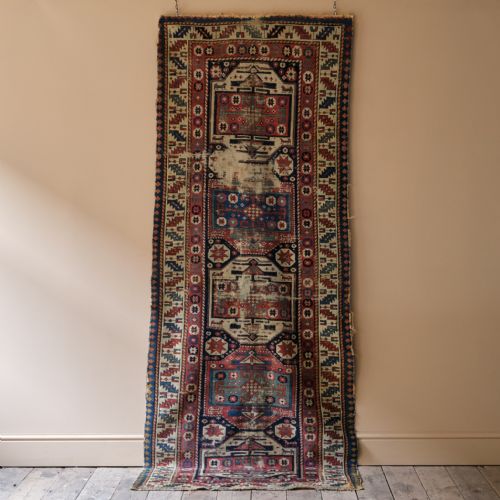


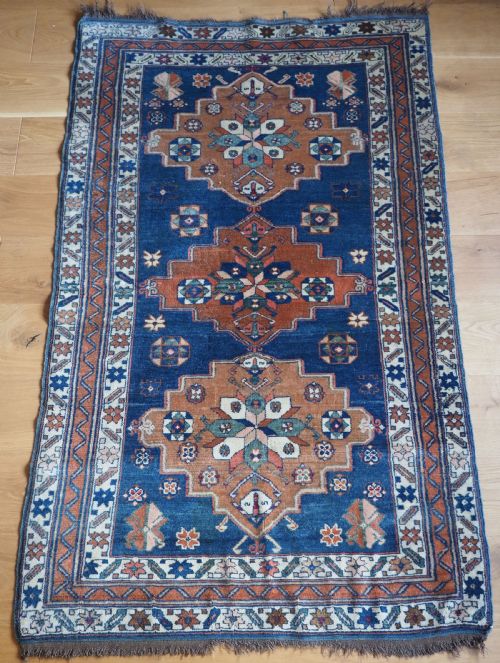


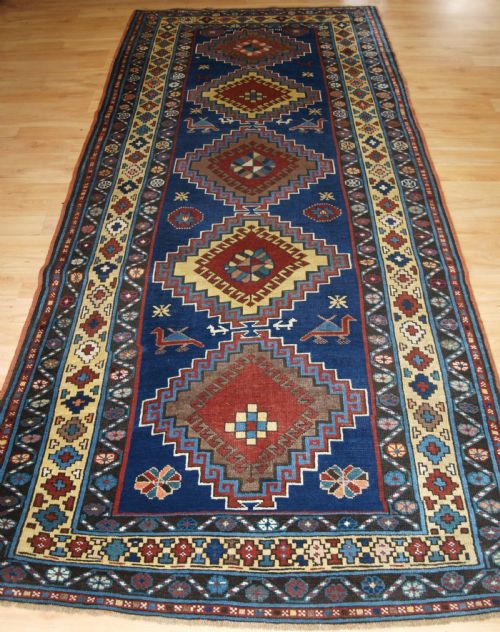
Indigo Blue Caucasian Runner
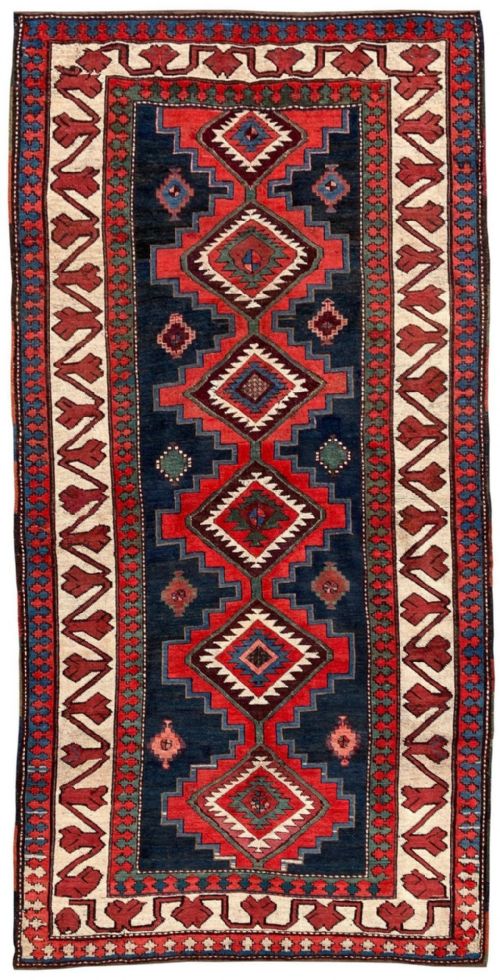
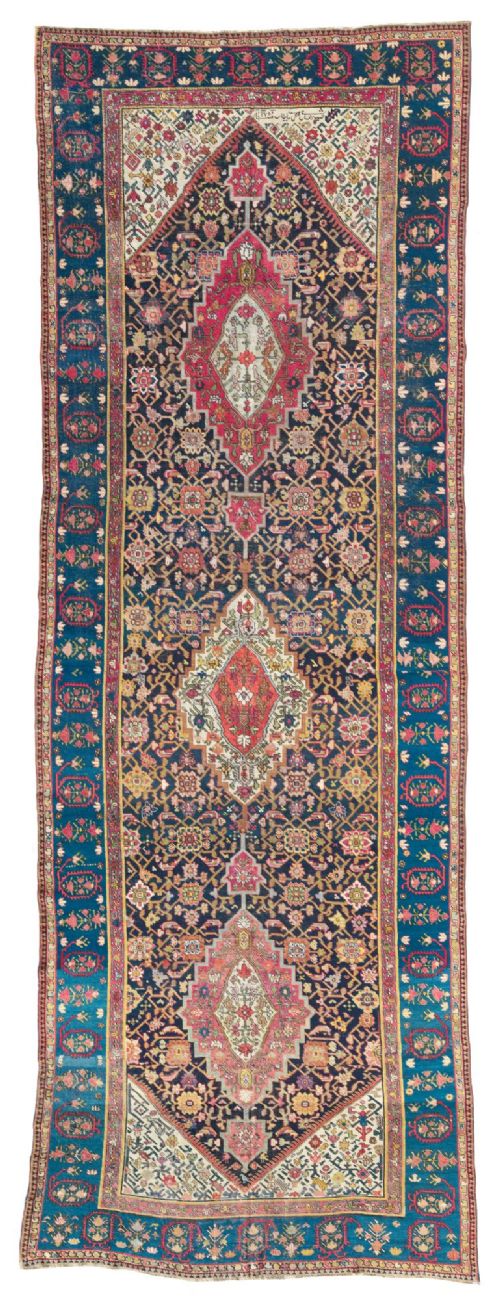
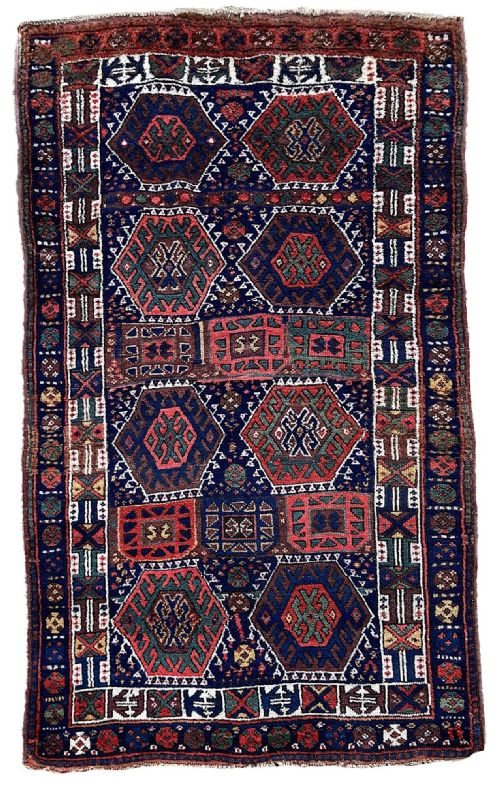
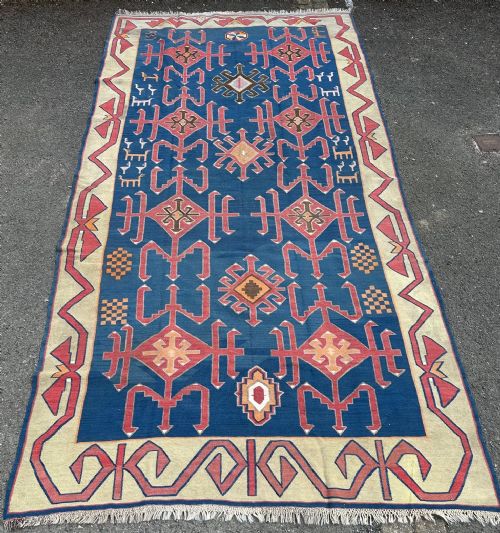
An indigo blue caucasian runner brings deep indigo wool and geometric tribal weaving into a long hallway, offering the robust character collectors prize.
Indigo Blue Caucasian Runner
An indigo blue caucasian runner provides a narrow, elongated format suited to corridors and hallways, woven in traditional tribal workshops across the Caucasus region. These floor coverings display structured geometric patterns, medallion repeats, and star motifs that reflect the distinct heritage of mountain weavers.
The pieces available here span several decades, featuring items dated from the mid-nineteenth century through to the early twentieth century. Within this selection, buyers encounter specific regional types such as Kazak, Talish, Karabagh, and Gendje, each utilising the characteristic deep blue ground associated with the phrase.
The format varies from long, narrow rugs to flat-woven kilims, executed by tribal groups including Kurdish and Shahsavan makers. These textiles serve both practical flooring needs and artistic display, bringing saturated natural pigments into domestic interiors.
Materials and construction
The physical structure relies predominantly on wool for the pile and foundation yarns, sometimes paired with cotton for structural support in later pieces. Weavers knotted these materials by hand on vertical looms, building dense surfaces designed to withstand heavy foot traffic.
Colour comes from natural dyes applied to the wool fibres, yielding rich indigo tones that form the signature background for geometric motifs and medallions. Flat-weave techniques also appear, producing lightweight kilims without a raised pile through interlocking warp and weft threads.
Listings feature pieces dated across the nineteenth and twentieth centuries, spanning periods from eighteen-fifty to nineteen-forty.
The spectrum of quality
Quality rests in the crispness of the geometric drawing and the saturation of the natural dyes across the indigo ground. Sharply defined Lezghi stars, medallions, and borders indicate a higher level of execution by the weaver.
The condition of the wool pile and the integrity of the foundation determine the durability and visual impact of the piece. Examples retaining deep pile and intact original edges command greater attention from those studying regional tribal weaving.
The Indigo Blue Caucasian Runner Glossary
- Runner
- A long, narrow carpet format designed specifically for corridors, hallways, and stairs. This shape places geometric tribal designs along linear spaces.
- Kazak
- A regional designation for rugs woven in the western Caucasus, known for bold geometric medallions and primary colour palettes. These pieces often feature large primary motifs set against saturated backgrounds.
- Talish
- A specific weaving style originating from the Talish region near the Caspian Sea, characterised by narrow proportions and open blue fields. They frequently display medallion columns or star borders.
- Kilim
- A flat-woven textile produced without a raised pile by tightly interlocking the weft threads through the warp. This technique creates a reversible fabric with sharp, geometric pattern edges.
- Natural Dyes
- Colourants derived from plants, insects, and minerals rather than synthetic chemical processes. These materials produce complex, variable hues that age with considerable depth.
Indigo Blue Caucasian Runner: Frequently Asked Questions
Where should I place a runner?
These narrow floor coverings suit hallways, corridors, and long entryways where linear geometry enhances architectural proportions. Their elongated format directs movement through domestic spaces.
Position them away from direct, continuous moisture to protect the wool fibres and natural dyes over decades of daily use.
How do I clean these rugs?
Gentle surface brushing and careful vacuuming without a rotating power head remove dust from the wool pile. Professional specialist cleaning remains essential for addressing deep-set dirt.
Avoid household detergents and excessive water, which can destabilise historical natural dyes and weaken foundational cotton or wool yarns.
Are these pieces hand-knotted?
Traditional examples feature hand-knotted wool construction executed on vertical looms by regional tribal weavers. Each knot contributes to the dense, durable surface characteristic of nineteenth-century production.
Flat-woven variations utilise interlocking weft techniques instead, producing a lighter textile without a raised pile.
What causes the blue colour?
The distinct background shade results from natural indigo dye extracted from plants, traditionally applied to hand-spun wool yarns. This process produces variable depths of tone across the textile.
Over decades, natural indigo develops subtle tonal shifts that add visual complexity to the geometric field.
How do I identify the origin?
Specific motifs such as Lezghi stars, repeated medallions, and border arrangements point toward particular valleys and workshops in the Caucasus. Comparing structural traits like weave density helps narrow down the provenance.
Regional styles often combine distinct tribal symbols with characteristic palettes developed by specific weaving communities.