




Nineteenth Century Kazak Carpet
A nineteenth century kazak carpet brings bold tribal design and rich wool work straight into a modern interior.
Nineteenth Century Kazak Carpet
A nineteenth century kazak carpet displays the distinctive folk art and tribal traditions of the Caucasus region. Buyers seek these pieces for their geometric patterns and striking visual presence.
The selections available here include prayer rugs, long rugs, runners, and area rugs created across several decades of the nineteenth century. Specific regional sub-types such as Fachralo, Moghan, and Bordjalou frequently appear among the listings.
These floor coverings function both as practical furnishings and as historical textile art. The forms range from compact prayer formats to extended runners suitable for hallways.
How they were made
Weavers constructed these carpets using wool for the pile and foundation yarns, sometimes incorporating cotton elements. Hand-knotting techniques created dense, durable surfaces designed for daily use.
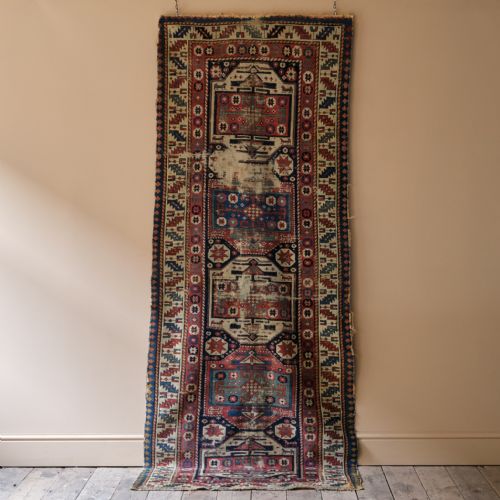
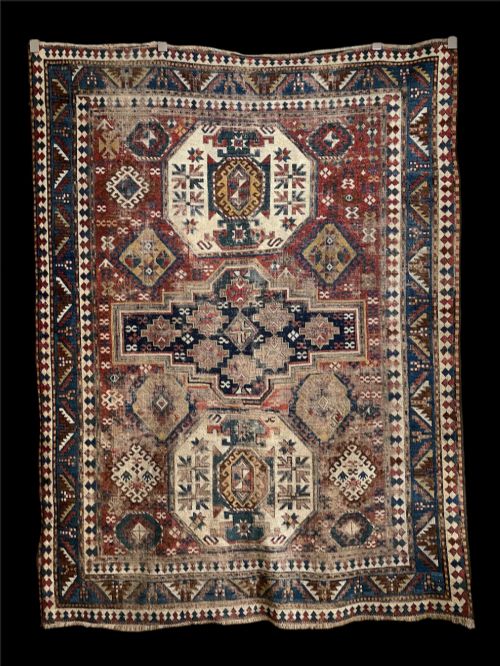
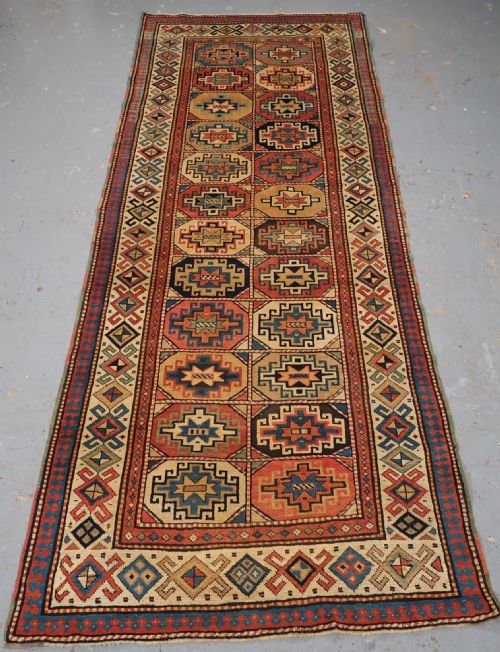
Natural dye traditions produced the characteristic colour palettes seen across the rugs. Artisans worked within Caucasian tribal conventions to lay out hooked medallions and Memling gul motifs.
Some runners bear wonderfully crooked geometries, proving the weaver enjoyed a relaxed relationship with straight lines.
What varies in quality
The vibrancy and depth of the wool colours distinguish finer examples from standard pieces. Softer, well-preserved palettes often indicate superior dye work and careful ageing.
Design clarity and the precision of geometric motifs show the weaver's skill. Stronger tribal character and intact proportions elevate individual rugs within the wider group.
The Nineteenth Century Kazak Carpet Glossary
- Fachralo
- A specific weaving sub-type of nineteenth century kazak carpet known for particular medallion layouts. These rugs often feature prayer mihrab designs.
- Moghan
- A recognised subgroup within these tribal textiles, frequently identifiable by repeating motifs such as the Memling gul. They display distinct Caucasian geometric structures.
- Bordjalou
- A tribal folk art grouping associated with certain nineteenth century kazak carpet traditions. They showcase bold, uninhibited use of regional symbols.
- Memling gul
- An octagonal tribal motif with hooked edges found repeatedly across these Caucasian rugs. The design carries deep historical symbolism in nomadic weaving.
- Prayer rug
- A format characterised by a niche or mihrab design at one end, historically used for personal devotion. These pieces form a distinct category within the available inventory.
Nineteenth Century Kazak Carpet: Frequently Asked Questions
What is a nineteenth century kazak carpet?
A nineteenth century kazak carpet is a hand-knotted tribal textile originating from the Caucasus region. These rugs are celebrated for their bold geometric patterns and rich wool construction.
They serve as decorative floor coverings and historical artefacts. Collectors and interior designers value them for their strong visual impact.
How do I identify a Fachralo Kazak?
Fachralo pieces are a distinct sub-group of nineteenth century kazak carpets, often featuring prayer formats and specific central medallion configurations. They display the characteristic bold palette of the region.
Examining the specific arrangement of geometric borders and medallions helps separate them from Moghan or Bordjalou examples.
Where were these rugs made?
These textiles were woven by tribal and nomadic groups across the Caucasus during the nineteenth century. The region encompassed diverse local weaving traditions.
Each village or tribal group imparted slight variations in design vocabulary and colour use. This local variation creates the rich diversity found in surviving pieces.
How do I care for an antique rug?
Caring for an antique wool carpet involves gentle vacuuming without rotary brushes and professional cleaning when necessary. Placing a quality underlay beneath the rug prevents slipping and reduces wear.
Protecting the textile from direct, harsh sunlight preserves the natural dyes. Proper maintenance ensures the wool pile remains stable over decades of use.