
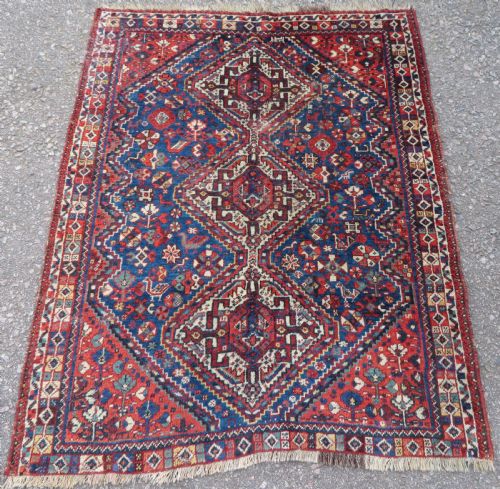
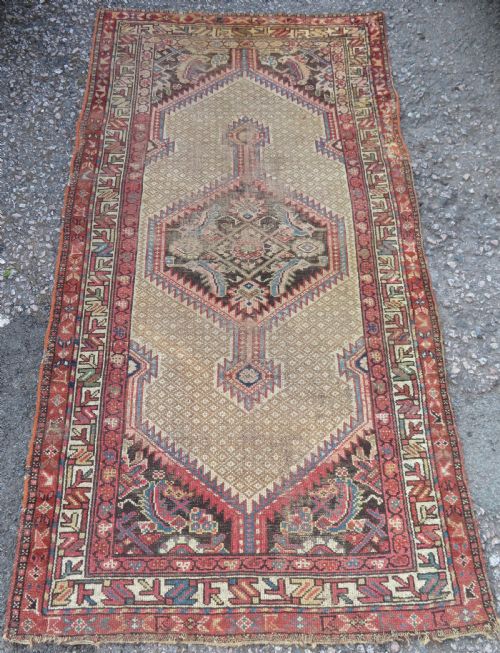
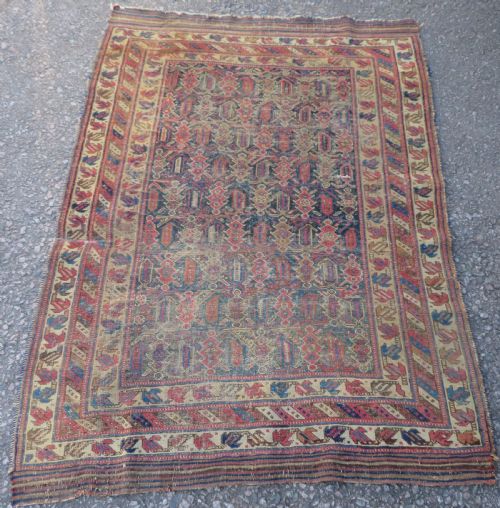

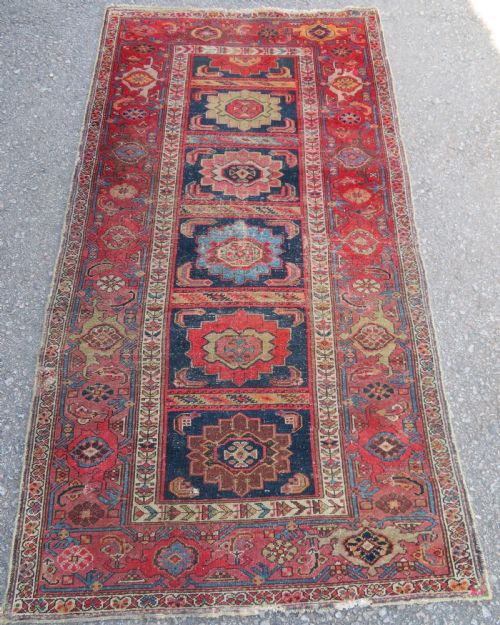
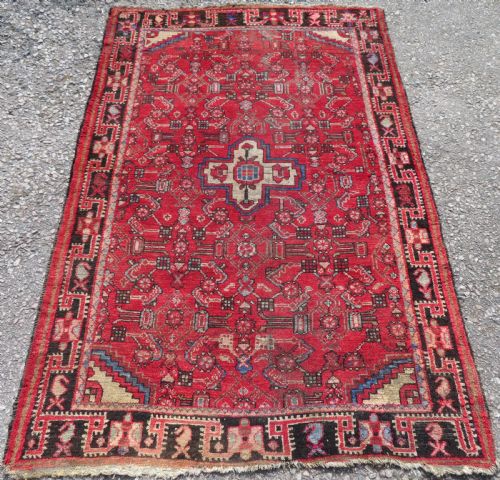
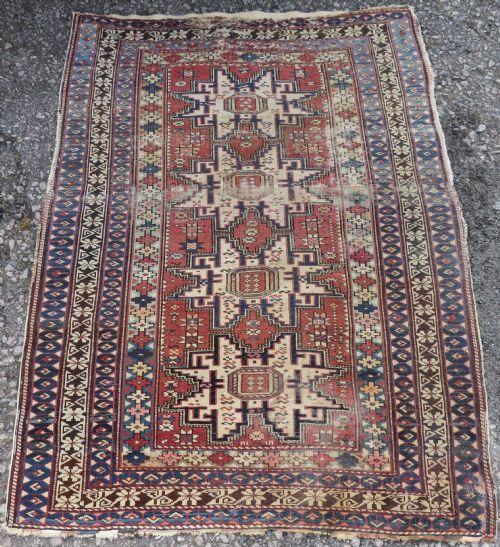
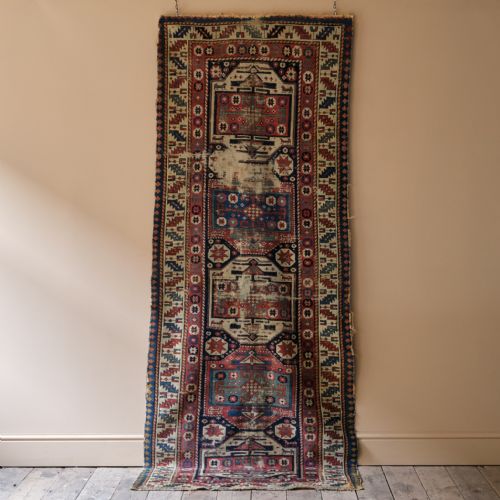


Distressed Wool Runner Carpet
These distressed wool runner carpet examples bring genuine tribal character and weathered texture to narrow halls and corridors.
Distressed Wool Runner Carpet
A distressed wool runner carpet is a narrow, elongated floor covering selected for corridors, halls, and transitional spaces where depth of history matters. Buyers seek these pieces to introduce authentic tribal designs and softened colour palettes into traditional and modern interiors alike.
The pieces on this page span the late nineteenth century and the early decades of the twentieth century. They originate from Persian, Anatolian, and Caucasian weaving traditions, taking the form of long rug runners, tribal rugs, and kilims.
Makers in regions such as Sarab, Afshar, Daghestan, and Hamadan produced these long formats for specific domestic functions. The selections available reflect enduring styles including Persian tribal, Anatolian tribal, Caucasian, and traditional Persian designs.
Materials and construction methods
These carpets are constructed primarily using wool and hand-spun wool, often paired with cotton foundations. Camel hair also appears in the material mix, providing natural tone and robust structural support.
Weavers knotted or wove these textiles by hand on traditional vertical and horizontal looms. Decades of foot traffic and natural ageing create the characteristic distressed surface texture seen across the pile and flatweave structures.
Listings feature wool, cotton, and camel hair materials across Persian, Anatolian, and Caucasian tribal traditions dating from 1880 to 1930.
Qualities that distinguish the selection
Quality rests in the integrity of the remaining wool pile and the structural stability of the foundation. Even with heavy distress, a superior piece retains firm selvedges and balanced proportions along its length.
The artistry of the dyeing process and the complexity of the tribal motifs dictate the aesthetic standing of each runner. Natural dye variations and clear geometry elevate certain examples above simpler commercial outputs.
The Distressed Wool Runner Carpet Glossary
- Runner
- A long, narrow carpet format designed specifically for hallways, staircases, and corridors. This shape guides movement through a home while protecting timber flooring.
- Tribal
- A designation for rugs woven by nomadic or village groups rather than urban workshops. These designs rely on generational motifs and local symbolism.
- Kelims
- Flatwoven carpets made without a pile by tightly interweaving warp and weft threads. They offer a lighter weight and a flat surface texture.
- Selvedge
- The bound or reinforced edge of a carpet that prevents the side cords from unravelling. Its condition indicates how well the textile has survived centuries of use.
- Warp
- The stationary vertical threads stretched across a loom that form the structural skeleton of the carpet. The weft threads are passed horizontally through them.
Distressed Wool Runner Carpet: Frequently Asked Questions
Where should I place a runner carpet?
These long formats suit hallways, entryways, and narrow corridors where floor protection and visual interest are needed. They soften hard flooring and create a warm pathway through transitional spaces.
Position them away from constant dampness to preserve the historical wool fibres.
How do I clean an old wool carpet?
Gentle vacuuming without a rotating brush helps remove surface dust from the pile without pulling individual knots. Professional textile cleaning is advised for deeper maintenance.
Avoid harsh chemical detergents that strip natural lanolin from the wool.
What causes the distressed appearance?
Decades of daily foot traffic, natural fibre wear, and sunlight exposure gradually soften the pile and mute the original dyes. This patination gives antique runners their characteristic surface depth.
Intentional wear is absent here, as time alone produces the weathered textures.
How do I identify a tribal rug?
Tribal carpets display geometric symbols, stylized animals, and asymmetric medallions passed down through nomadic weaving traditions. These patterns differ from formal court designs found in city workshops.
Local materials and distinctive regional palettes further distinguish village production.