


Tribal Anatolian Runner Rug
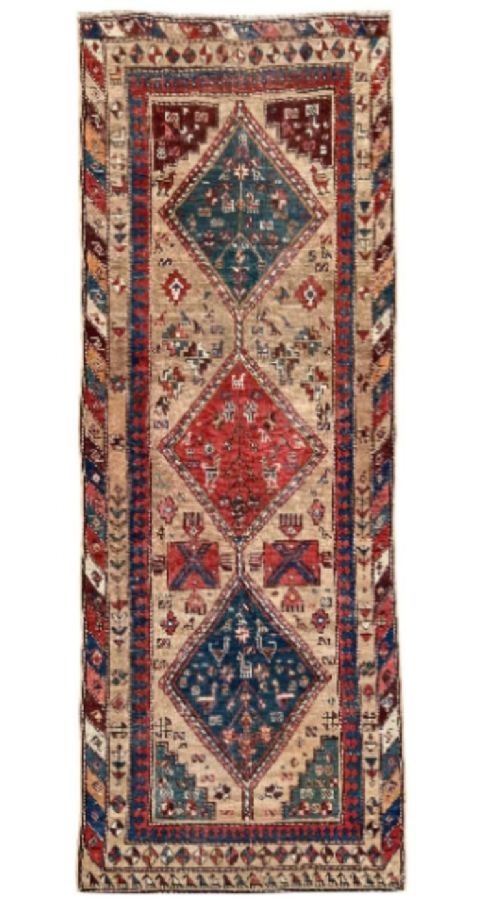
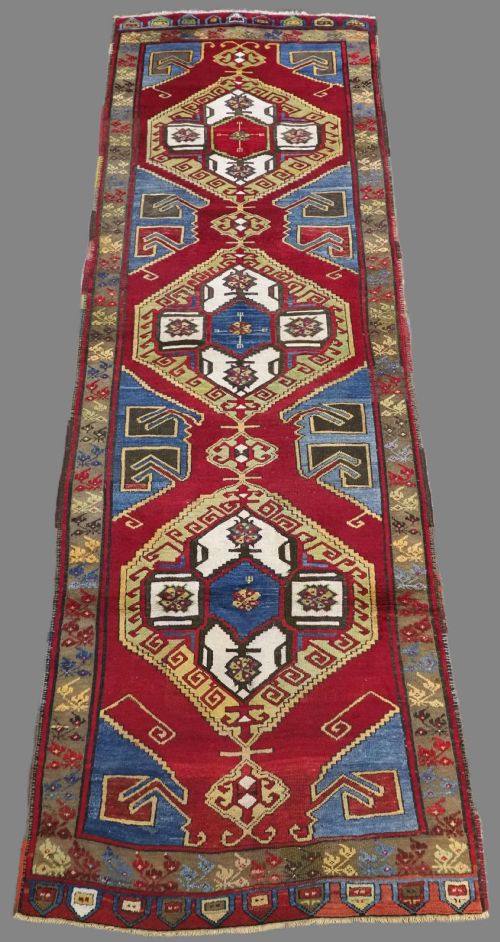
A tribal anatolian runner rug brings centuries of weaving heritage directly to long hallways and narrow gallery spaces.
Tribal Anatolian Runner Rug
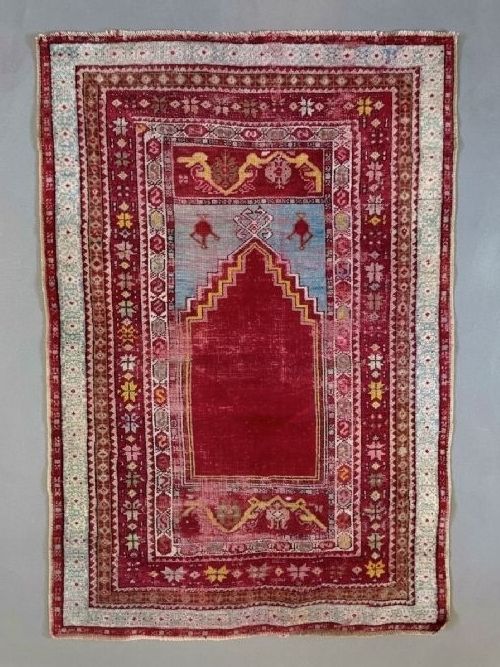
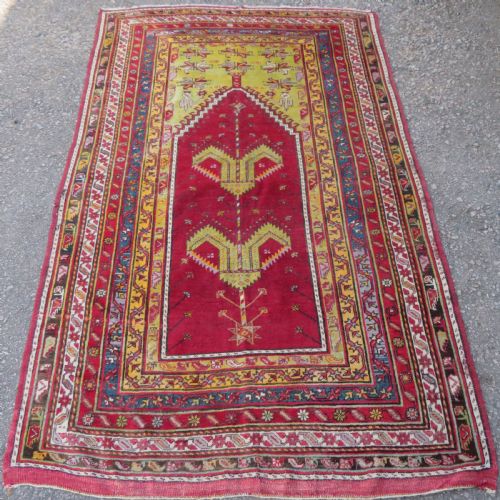
A tribal anatolian runner rug represents the long, narrow format woven across Turkish villages and nomadic settlements from the nineteenth century into the early twentieth century. These pieces serve practical functions in corridors and passage spaces while displaying traditional geometric motifs and tribal patterns specific to their regions of origin.
The selection ranges from village kilims woven flat without pile to piled carpets originating from centres such as Konya, Malatya, and Ushak. Pieces frequently span the nineteenth century through the 1930s, offering buyers historical floor coverings shaped by distinct regional weaving traditions.
Materials and Construction Methods
Weavers constructed these textiles primarily using wool and hand-spun wool, often combined with cotton foundations to ensure structural stability over long formats. Natural dyes yielded the deep colour palettes characteristic of older regional weaving.
Production techniques encompassed both knotted-pile construction for warmth and durability, and flat-weave kilim methods. Workshops and village households utilised traditional looms to pass down specific tribal iconography across generations.
Listings feature pieces dated from the 1850s through the 1930s, constructed entirely from wool and cotton materials.
Factors Determining Quality
Quality rests in the integrity of the wool, the precision of the tribal motifs, and the clarity of the natural dyes. Superior examples maintain structural soundness despite age, while lesser pieces show heavy fibre degradation or compromised foundations.
The sophistication of the design layout and the tightness of the knotting or weave density distinguish exceptional village pieces from standard commercial outputs.
Kirsehir·Konya Karapinar·Ushak·Milas·Ghiordes
The Tribal Anatolian Runner Rug Glossary
- Kilim
- A flat-woven carpet or rug produced without a pile. These textiles rely on tightly packed warp and weft threads to form geometric patterns.
- Runner
- A long, narrow carpet format designed specifically for corridors, staircases, and hallways. This shape accommodates restricted spatial dimensions.
- Prayer Rug
- A textile featuring a distinct mihrab or arch design indicating the direction of prayer. These pieces were traditionally used for daily devotions.
- Warp
- The vertical threads stretched lengthwise on a loom before weaving begins. The weft threads are passed through these structural foundations.
- Weft
- The horizontal threads passed back and forth through the warp threads to create the body of the textile. Colour patterns emerge as these threads are beaten down.
Tribal Anatolian Runner Rug: Frequently Asked Questions
Where should I place a runner rug?
These narrow formats suit hallways, corridors, and bedside areas where standard rectangular rugs are too wide.
They protect high-traffic wooden floors while adding warmth and traditional pattern to transitional spaces.
How do I clean an antique rug?
Gentle surface vacuuming without a beater bar removes loose dirt from the wool fibres safely.
Professional specialist cleaning remains necessary for deeper washing to protect natural dyes and fragile foundations.
What is the difference between kilim and pile rugs?
Kilims are flat-woven without any raised pile surface, resulting in a lighter and thinner textile.
Pile rugs feature knotted wool yarn that creates a textured, plush surface underfoot.
How do I date an old rug?
Dating relies on material analysis, dye types, structural characteristics, and stylistic regional markers recorded across the nineteenth and early twentieth centuries.
Hand-spun wool and specific village motifs often help narrow the period of origin.