




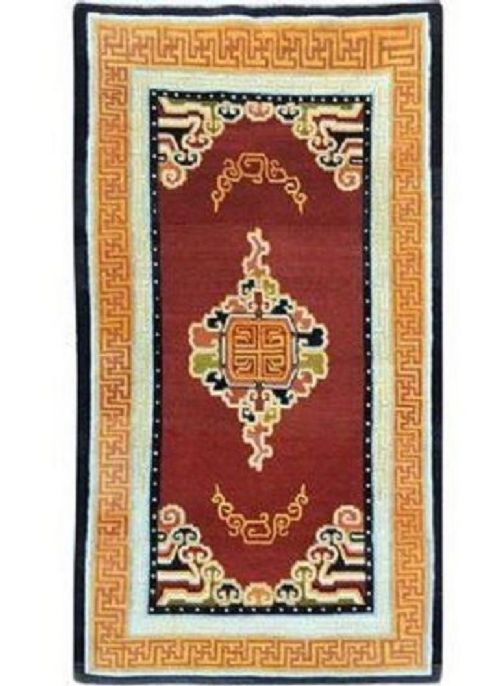
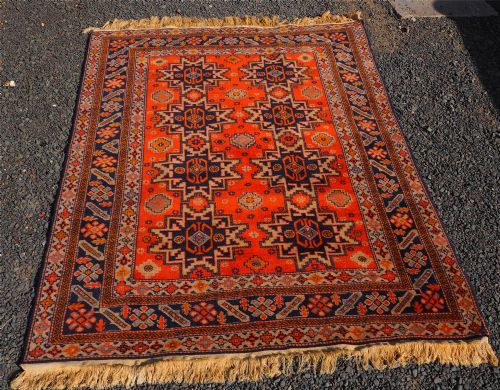
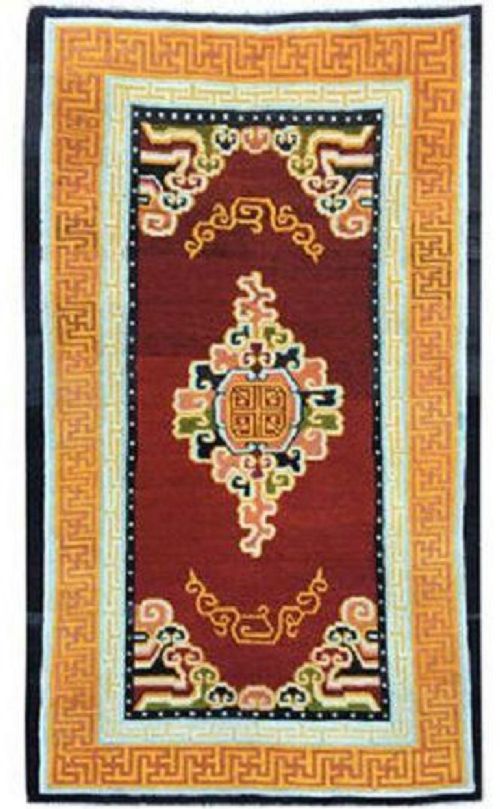
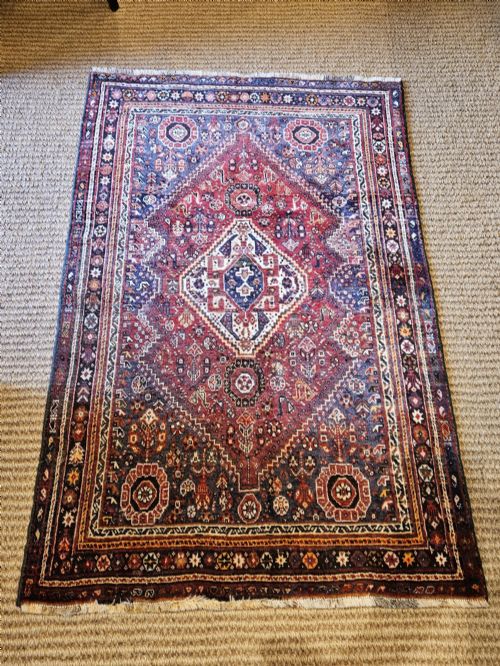
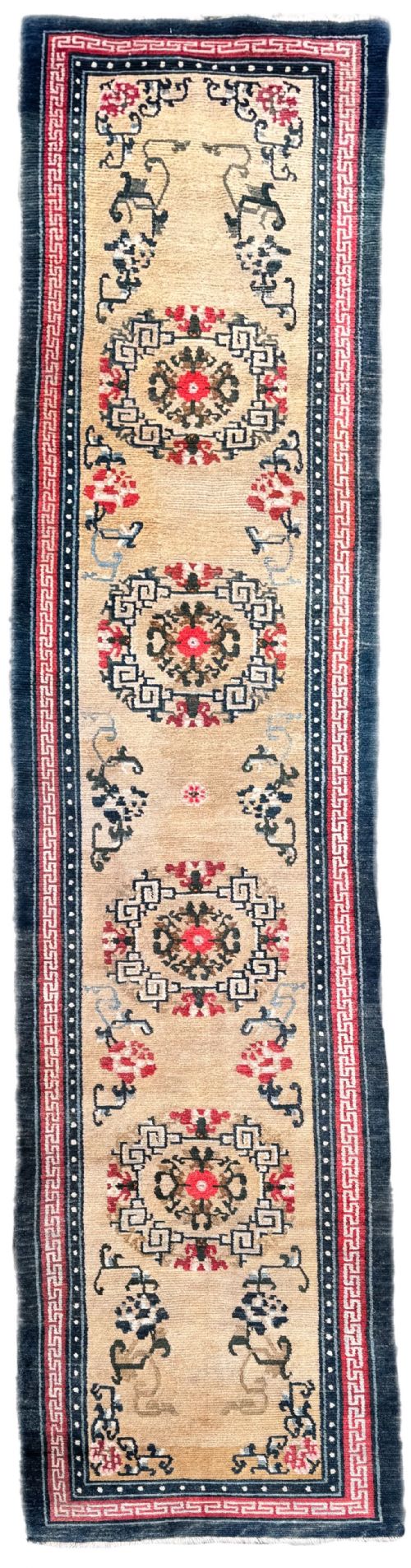
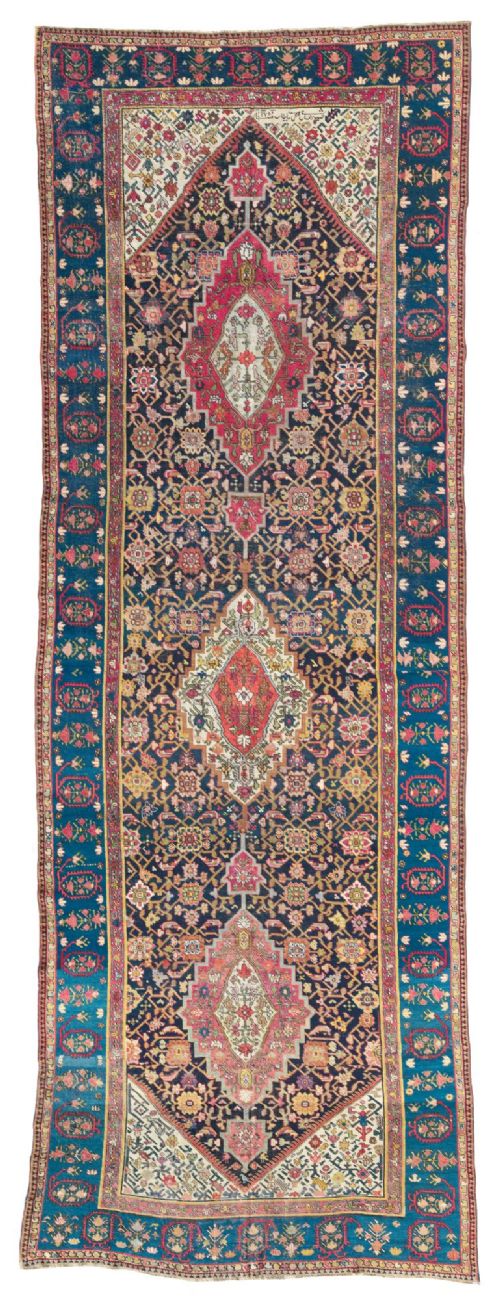
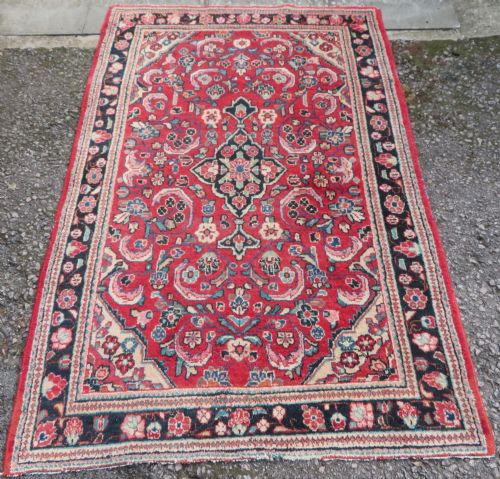
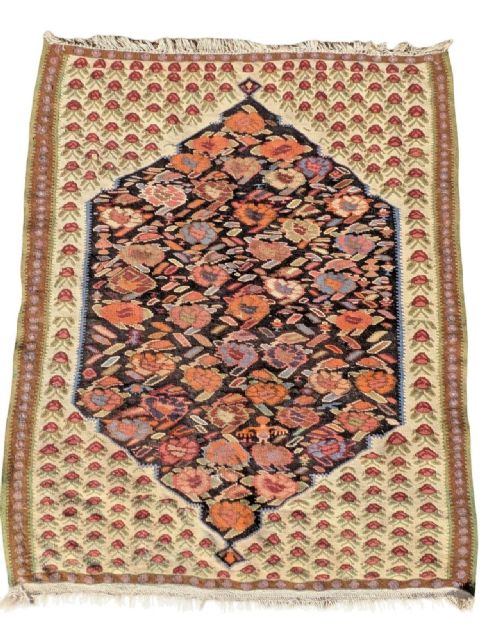
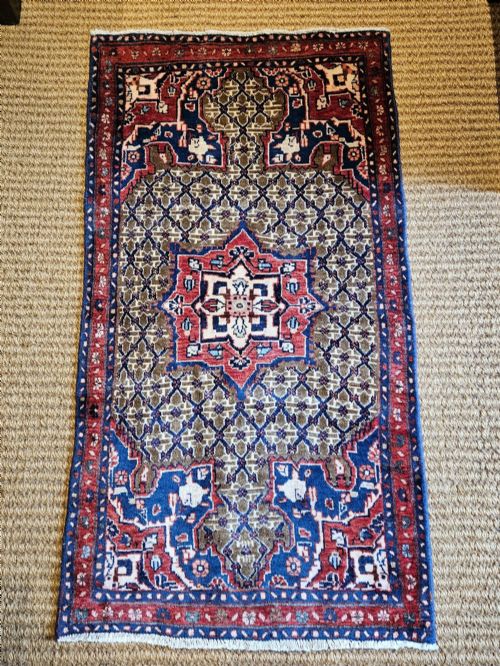
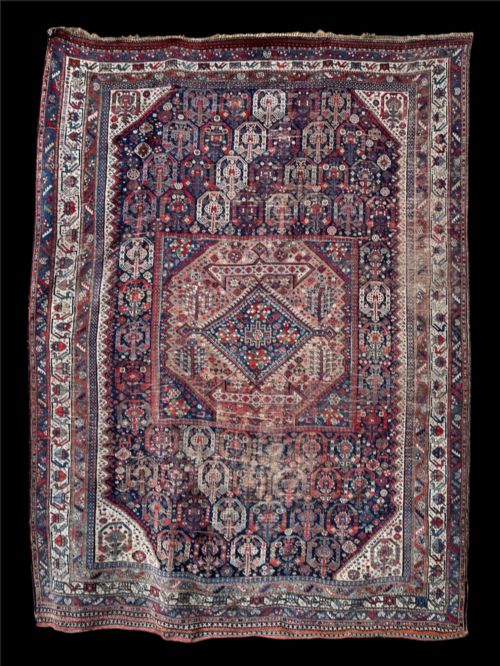
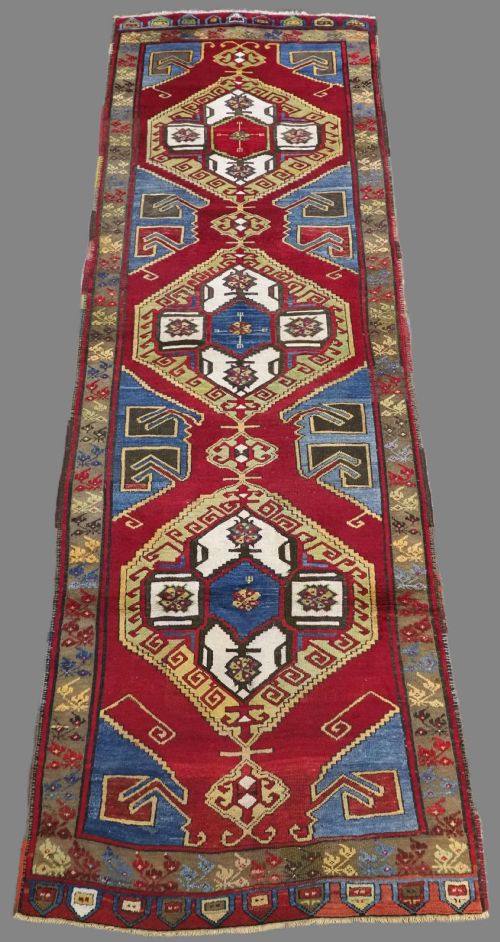
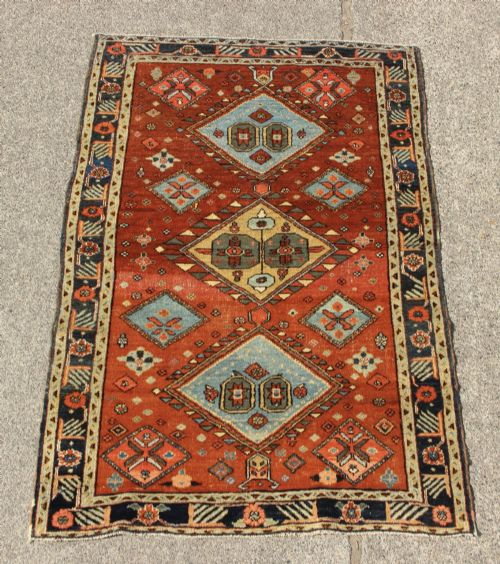
Antique Medallion Runner Rug
An antique medallion runner rug brings structured geometry and rich wool texture down a narrow hallway.
Antique Medallion Runner Rug
When searching for an antique medallion runner rug, buyers look at elongated carpets featuring central geometric or floral motifs created in various regional traditions. These pieces span the nineteenth and early twentieth centuries, emerging from Persian, Caucasian, Anatolian, and Tibetan workshops.
The format serves long corridors, narrow galleries, and staircases where standard rectangular carpets fail to fit. Regional weaver groups such as the Kazak, Bakhtiar, and Saroukh shape the distinct character of the central medallions found on these narrow floors.
What Varies in Quality
Quality rests in the precision of the knotting and the crispness of the central medallion design. Tighter knot counts allow intricate geometric lines to remain sharp along the elongated runner format.
The depth and clarity of the natural dye palette separate standard examples from finer outputs. Well-preserved wool pile retains resilience and saturation through decades of domestic use.
Some runners retain hearth-sized proportions, proving that previous generations liked their toes warm by the fire.
Saroukh Mahal·Bakhtiar·Kazak·Karabagh·Bidjar
The Antique Medallion Runner Rug Glossary
- Medallion
- A central ornamental motif set into the field of a rug. It anchors the symmetrical composition of the design.
- Runner
- A long, narrow carpet format designed for corridors, hallways, and stairs. The proportions emphasise length over width.
- Pile
- The upright wool yarn forming the soft surface of the rug. It provides the tactile texture and absorbs the dye colours.
- Warp
- The vertical foundation threads running the length of the rug. Weft threads pass horizontally through them to secure the knots.
Antique Medallion Runner Rug: Frequently Asked Questions
Where should I place a runner rug?
These elongated carpets suit narrow spaces such as hallways, corridors, and bedside paths. Their proportions guide movement through domestic architectural transitions.
Ensure the floor dimensions allow the border designs to remain visible away from skirting boards and heavy doors.
How do I identify a tribal rug?
Tribal pieces display geometric medallions, hooked motifs, and abrash colour variations woven by nomadic or village groups. The designs rely on memory and traditional motifs rather than formal cartoon patterns.
Materials tend to be heavier wool with robust foundations suited to practical village living.
What is a kelim?
A kelim is a flat-woven textile produced without a pile. The weaver passes coloured weft threads tightly over the warp to create geometric patterns.
This technique yields a lighter, reversible fabric distinct from dense knotted carpets.
How do I care for antique wool rugs?
Gentle vacuuming without a rotating brush roll removes dust from the wool pile safely. Professional specialist cleaning protects the natural dyes from running.
Use an appropriate underlay to prevent sliding and reduce friction against hard flooring.