





Heriz Karaja Runner Rug
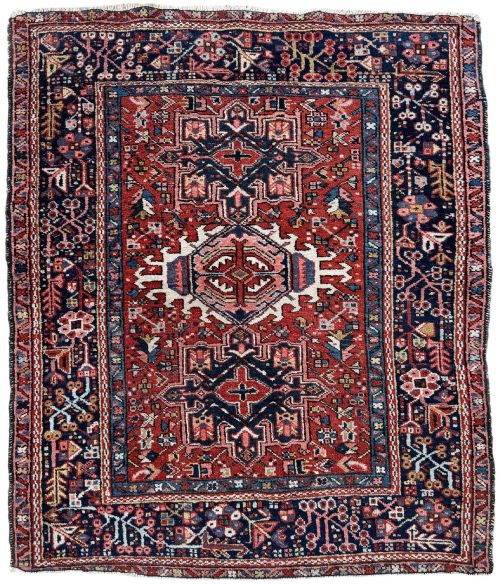
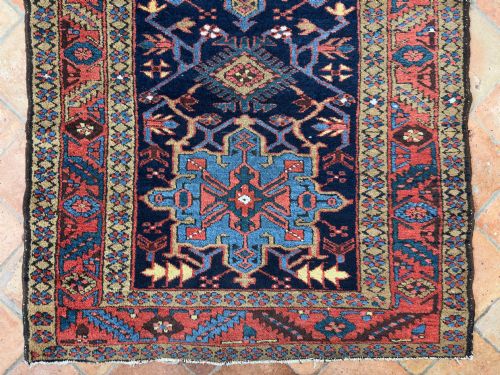
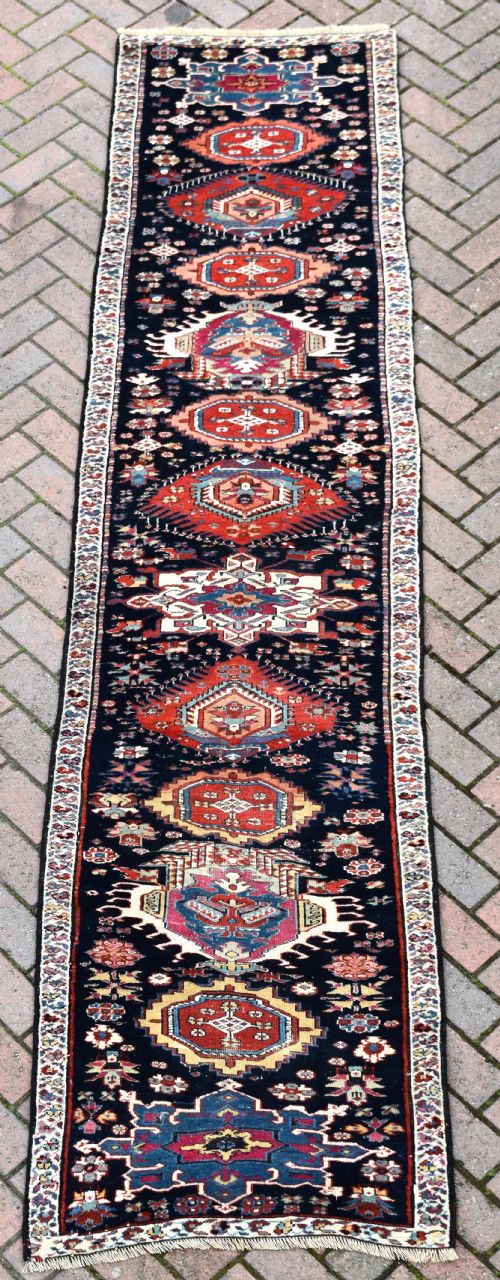
These heriz karaja runner rug pieces are hand-knotted North West Persian floor coverings that bring robust wool texture and traditional village design to narrow hallways and long spaces.
Heriz Karaja Runner Rug
When searching for a heriz karaja runner rug, buyers look at hand-knotted room lengths and narrow formats originating from North West Persia. These pieces span production dates from eighteen eighty through to nineteen twenty, covering late nineteenth and early twentieth century village weaving.
The format varies between long gallery carpets, smaller rugs, and distinct narrow runners designed specifically for corridors. Village weavers in the Heriz and Karaja regions produced these floor coverings with sturdy proportions and characteristic geometric layouts.
How they were made
These floor coverings utilise durable wool pile knotted onto strong cotton foundations. The combination provides the dense structural integrity required for narrow runners and long hallway carpets exposed to frequent foot traffic.
Weavers employed traditional village techniques characteristic of North West Persia, building geometric motifs and medallions with hand-spun dyed wool. This construction method ensures both resilience and distinctive regional colour depth.
Heriz Karaja Runner Rug Retail Price Guide 2026
Typical asking prices for heriz karaja runner rug among the pieces listed under this phrase on Sellingantiques today, from the lower quarter to the upper quarter. They describe what is for sale here now, not the wider market.
Some narrow runners measure a mere eighty-two centimetres wide, proving that historical weavers understood the exact pinch point of a tight Victorian hallway.
What varies in quality
The distinction between standard examples and superior pieces rests on the precision of the village design and the richness of the wool. Finer knotting density and well-balanced geometric proportions elevate certain runners above simpler everyday weaves.
Preservation of the original wool pile across the length of the narrow format also shapes the standing of each piece. Tightly secured edges and intact ends protect the structural integrity over decades of use.
The Heriz Karaja Runner Rug Glossary
- Heriz
- A region in North West Persia known for producing durable village rugs with bold geometric patterns and strong structural foundations. Pieces from this area typically feature resilient wool pile on cotton warps.
- Karaja
- A village production centre in North West Persia celebrated for traditional runner formats and distinctive tribal designs. These woven pieces often incorporate repeated medallions down narrow dimensions.
- Runner
- A long, narrow carpet format specifically proportioned for hallways, corridors, and narrow spaces. This shape displays repeating central motifs flanked by distinct border guards.
- Kelleh
- A large long rug or gallery carpet format that provides extended dimensions compared to standard floor coverings. These wider carpets suit substantial rooms and long gallery spaces.
- Pile
- The upright wool yarn surface of the rug formed by individual hand-tied knots. The depth and density of this wool layer determine the physical weight and underfoot feel.
Heriz Karaja Runner Rug: Frequently Asked Questions
Where should I place a runner?
These narrow floor coverings suit hallways, corridors, and long entryways where length matters more than width. Their proportions allow them to fit restricted floor spaces while adding warmth.
They also work effectively in narrow kitchens, galleries, and alongside large beds where a linear textile softens hard flooring.
How do I care for wool rugs?
Regular gentle vacuuming without a rotating brush roll keeps the wool pile free from embedded dust and grit. Professional cleaning suited for antique textiles preserves the natural lanolin in the fibres.
Positioning a suitable underlay beneath the runner prevents slip and reduces friction against hard floors during daily use.
How are different periods identified?
Dating relies on examining the specific wool texture, natural dye variations, and structural wear patterns across the cotton foundation. Pieces from the late nineteenth century show distinct village characteristics compared to early twentieth century examples.
Changes in palette and minor shifts in regional motifs help distinguish between eighteen eighties production and subsequent decades.