




Impressionist Coastal Landscape
Impressionist coastal landscape works capture the light and movement of the shore through loose brushwork and vivid palettes.
Impressionist Coastal Landscape
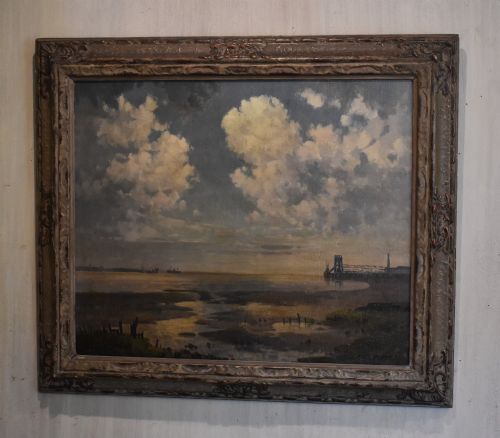
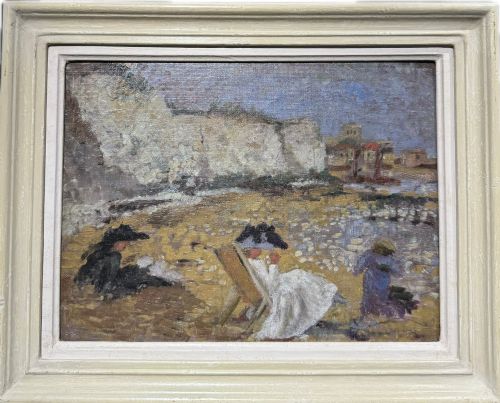
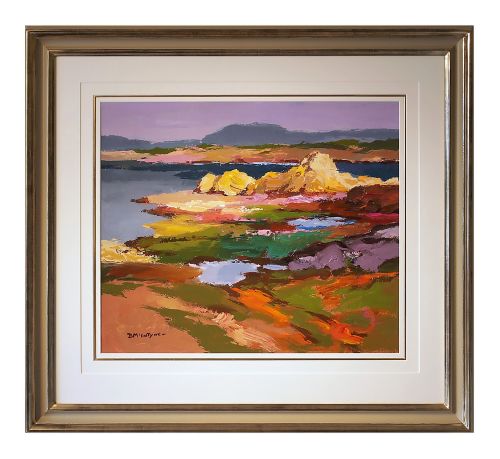
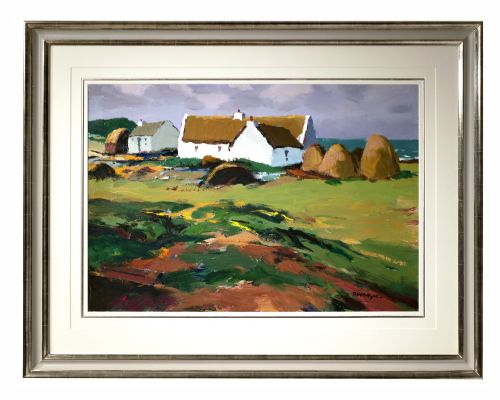
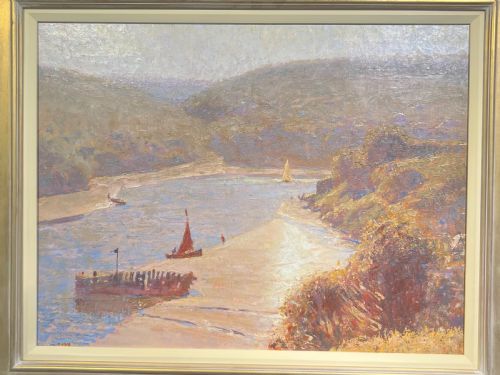
An impressionist coastal landscape captures harbours, cliffs, and beaches through relaxed brushwork rather than strict academic detail. These works focus on shifting atmospheric light and the interaction of sea and land.
The selections available range from late nineteenth-century watercolours to mid-century oil paintings. British and French regional traditions predominate across boards and canvases.
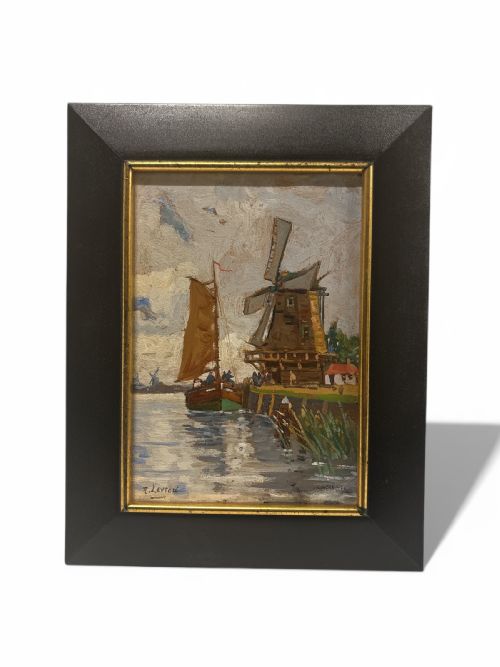
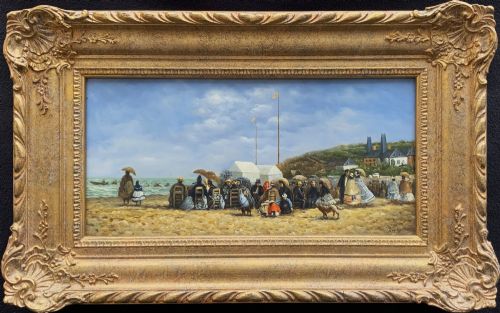
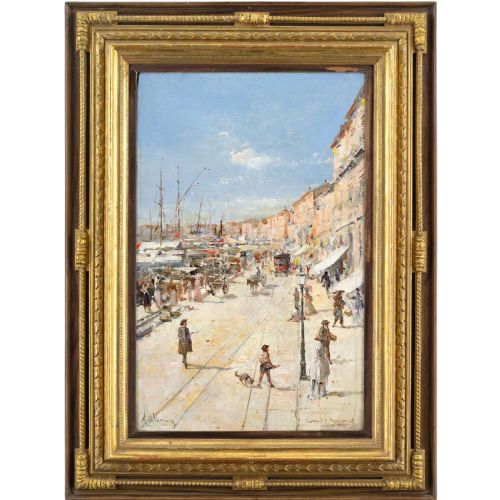
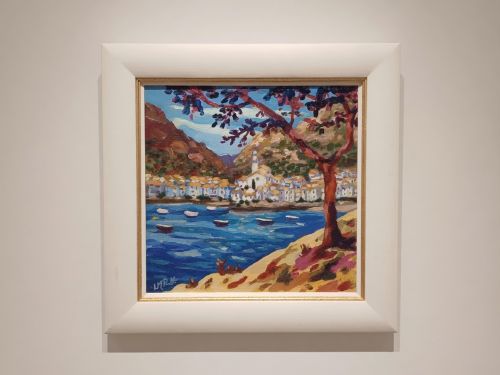
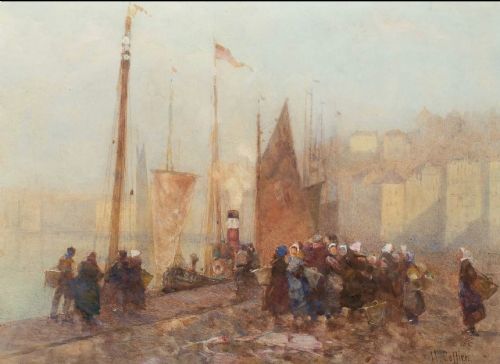
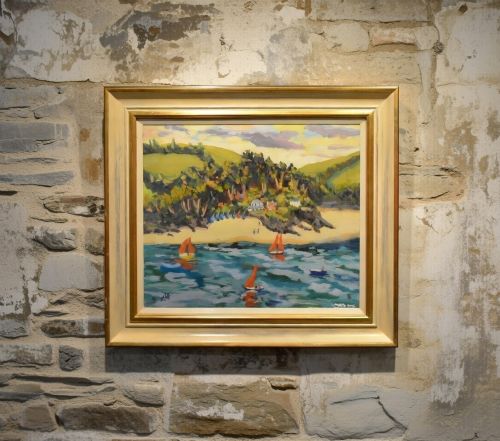
Viewers frequently encounter scenes depicting Cornish fishing ports, Norman cliffs, and Mediterranean harbours. These pieces reflect regional approaches to en plein air painting from the early decades of the twentieth century.
Materials and Technique
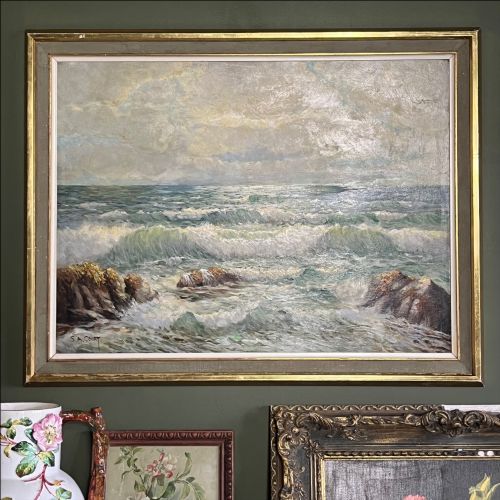
Artists painted using oil or watercolour on canvas, board, and paper supports. Oil paint is frequently applied in thick impasto to convey the texture of sea spray and rocky shores.
Many works were executed en plein air to capture immediate natural lighting conditions. Watercolours rely on translucent washes on paper, while oils utilise the heavier weave of canvas or rigid wooden boards.
Listings feature works spanning the nineteenth century through the 1960s, executed in oil and watercolour on canvas, board, and paper.
Quality Variations
The handling of light and tonal harmony distinguishes exceptional compositions from ordinary topographical records. Superior examples demonstrate a confident economy of brushstrokes that evokes atmosphere without relying on heavy outlines.
The integration of the support material into the finished composition affects the overall vitality of the work. Stronger pieces display a deliberate rhythm where texture and colour support the sense of movement in the sea or sky.
Clifford Hanney·Sidney A Court·William Banks Fortescue·Augusto Alberici·Lucy Pratt·Paul Bret·Hector Caffieri·Donald McIntyre·Cecil Allan Mould·Erich Mercker·John Holland·Frank Kelsey·Raymond Moritz·Joseph Edward Hennah·Edward Matthew Elliott·Louis Suire·Gustave Vidal·Gyrth Russell·Jean-Baptiste Olive·Raymond Picque·William Lee Hankey·George Turland Goosey·Norman Lloyd·William J B Jenkins·Edward Seago
The Impressionist Coastal Landscape Glossary
- En plein air
- Painting outdoors to directly observe the landscape and changing light conditions. This method became central to impressionist practice in the nineteenth century.
- Impasto
- Paint applied thickly to a surface, standing out in relief from the plane. This technique adds tactile depth to water and cliffs.
- St Ives School
- A group of artists associated with the Cornish coastal town from the late nineteenth century onwards. They focused on marine subjects and local fishing communities.
- Watercolour
- Pigments suspended in a water-based solution applied to paper. It creates transparent washes often used for coastal sketches.
Impressionist Coastal Landscape: Frequently Asked Questions
What defines an impressionist coastal landscape?
These works focus on capturing the fleeting effects of light on water and shore through visible brushstrokes. They prioritise mood and atmosphere over strict botanical or architectural accuracy.
Artists working in this mode often painted outdoors to record the immediate weather and movement of the sea.
Where were these coastal scenes painted?
The works record locations across British and European shores, with particular concentrations in Cornwall, Yorkshire, Normandy, and the Mediterranean.
Fishing harbours, rugged cliffs, and sandy beaches provided subjects for artists seeking changing tidal conditions and marine traffic.
How do oil and watercolour pieces differ?
Oils offer a heavier body of paint, often utilising canvas or board to build up textured surfaces like impasto waves. Watercolours use fluid washes on paper to achieve luminosity and delicate atmospheric effects.
Both mediums were employed by artists capturing maritime subjects during the period.
How should I frame and display these works?
Most of these pieces are preserved in frames suited to their period, which complement the tonal range of the painting. Placing them away from direct sunlight protects the pigments in both oils and watercolours.
Allowing adequate wall space lets the energetic brushwork function properly within a room.