




Nineteenth Century Maritime Art
Nineteenth century maritime art captures coastal scenes and seafaring life through oil paintings, watercolours, and folk objects.
Nineteenth Century Maritime Art
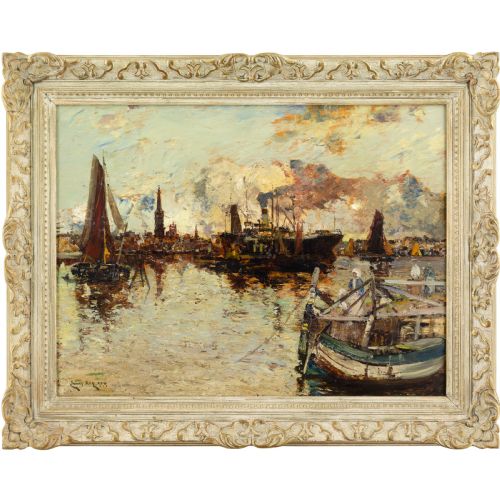
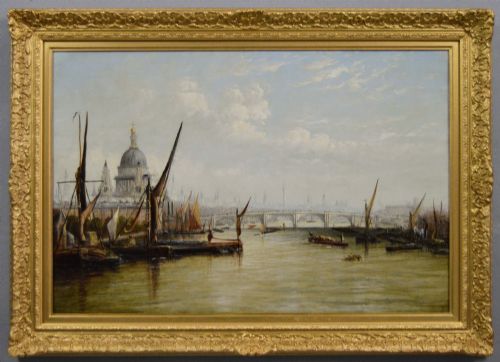
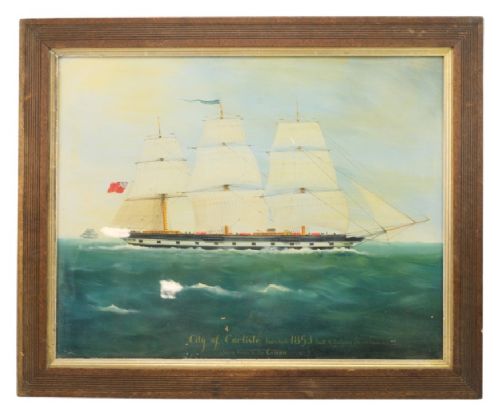
Nineteenth century maritime art encompasses oil paintings on canvas, watercolours on paper, and folk art objects created during the Victorian era and adjacent decades. The predominant forms on this page are framed oil paintings and watercolours depicting coastal scenes, harbours, and ships at sea.
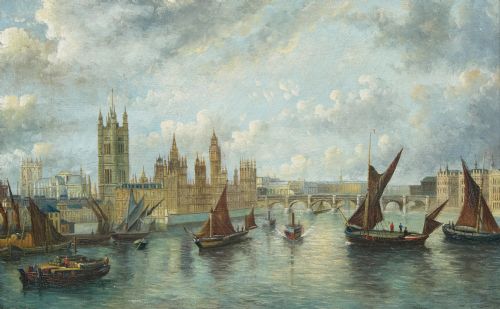
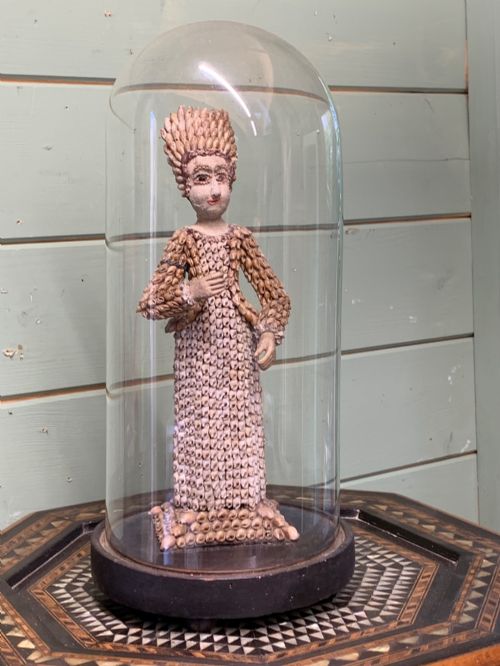
Makers and artists of this period recorded domestic and continental waters, from the River Thames and Filey Brigg to Venice and Rotterdam. Alongside framed wall art, the category holds carved folk objects such as painted pine seaman's chests and sailors' shell figures.
Materials and construction
Works on canvas utilise oil paint applied to stretched fabric, often housed within gilt wood or giltwood frames. Watercolours employ pigment on paper, capturing light on coastal spray and open water.
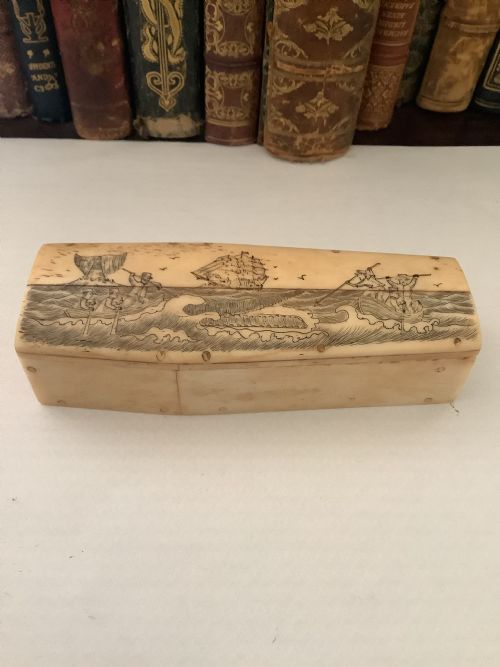
Folk pieces rely on carved bone, wood, painted pine, and natural shells assembled into whimsies and chests.
Sailors spent months carving intricate bottle whimsies and shell figures while drifting on the open sea.
Assessing quality in these works
Quality rests upon the handling of light and water, the fidelity of architectural and rigging details, and the preservation of the original surface. Works by named painters display confident brushwork and atmosphere.
Folk objects derive their standing from the intricacy of the carving and the preservation of original paint.
James Kay RSW·Francis Moltino·Abraham Cooper RA·John Macvicar Anderson·Bernard Benedict Hemy·Jean-Baptiste Olive·William Greaves·Thomas Bush Hardy·George Dodgson Callow·Jane Vivian·H. Hadfield Cubley·Henri Ottman·Alfred Pollentine·Ludwig Hermann·Samuel John Milton Brown·Frank Myers Boggs·William Edward Webb·Hubert Thornley·Thomas Rose Miles RCA·James Aitken
The Nineteenth Century Maritime Art Glossary
- Oil on Canvas
- Pigment bound in drying oil applied to a woven fabric support. This surface provides depth and texture in marine scenes.
- Gilt Wood
- Timber coated with a thin layer of gold leaf or gold paint. Frames of this material define many period oil paintings.
- Folk Art
- Utilitarian or decorative objects made by self-taught or traditional craftspeople. Examples include carved bone pieces and painted pine chests.
- Watercolour
- Paint consisting of transparent pigment suspended in a water-soluble vehicle. This medium creates luminous effects on paper.
Nineteenth Century Maritime Art: Frequently Asked Questions
What subjects appear in nineteenth century maritime art?
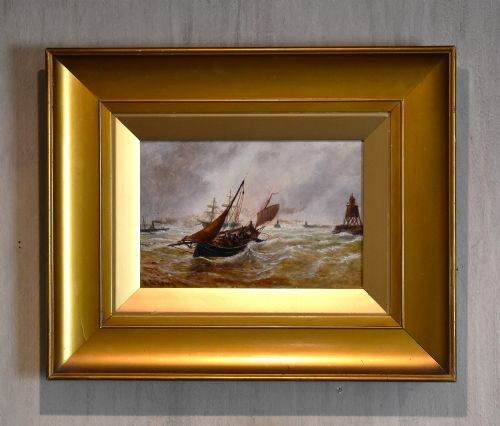
The works depict coastal waters, commercial ports, fishing boats, and masted ships under varying weather conditions. Scenes range from British shores to continental quays in Venice and Rotterdam.
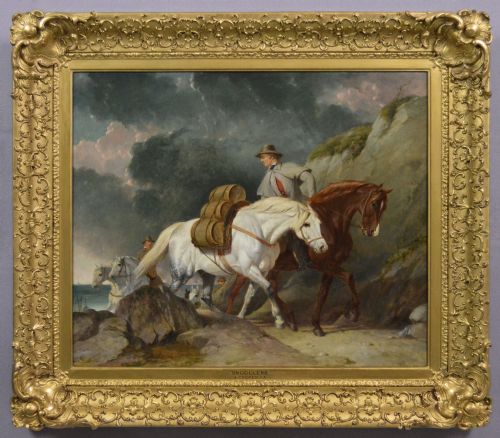
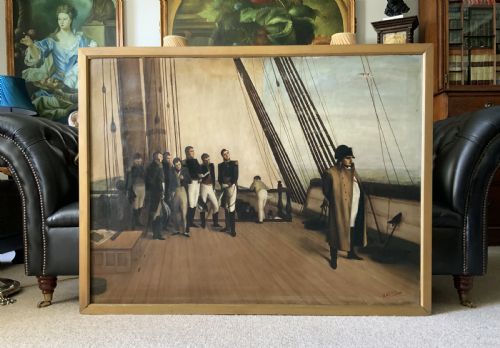
Artists also recorded naval vessels, coastal paths with smugglers, and townscapes bordering rivers.
How do I identify a Victorian watercolour?
Victorian watercolours utilise pigment on paper, frequently mounted behind glass within traditional frames. They often show maritime subjects such as barque ships or low tide coastal views.
Signatures or inscriptions by the artist sometimes appear in the corners of the sheet.
What are sailor's whimsies?
Sailor's whimsies are decorative or practical items fashioned by mariners during long voyages at sea. Examples include carved bone pieces, shell figures, and bottled masted ships.
These folk objects reflect maritime resourcefulness and leisure time aboard ship.
How should I frame an antique oil painting?
Period oil paintings are typically housed in wood or giltwood frames that complement the depth of the canvas. Preserving the original frame maintains the historical context of the artwork.
Ensure proper ventilation behind the canvas to protect the oil paint from moisture.