



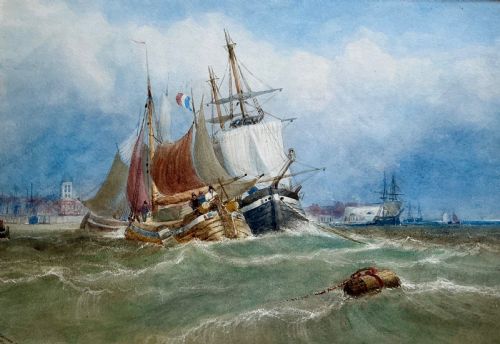
Blue Seascape Watercolour
A blue seascape watercolour captures coastal light and maritime movement upon paper through fluid washes of pigment.
Blue Seascape Watercolour
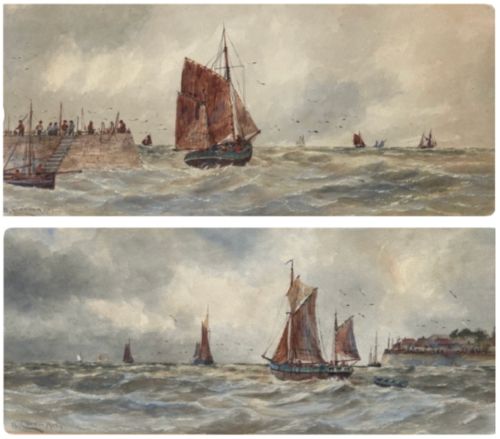
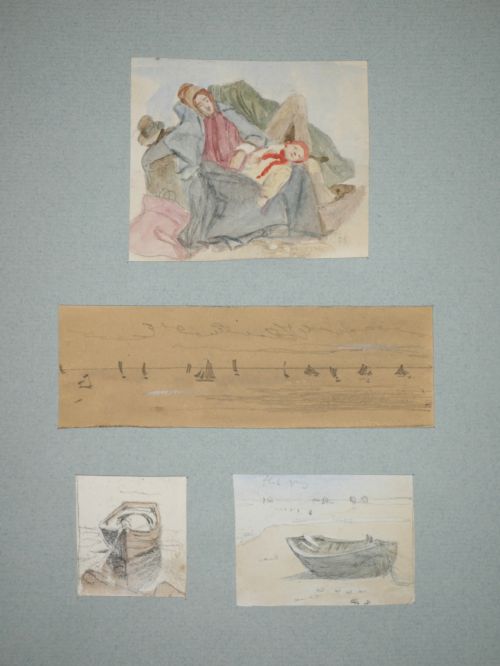
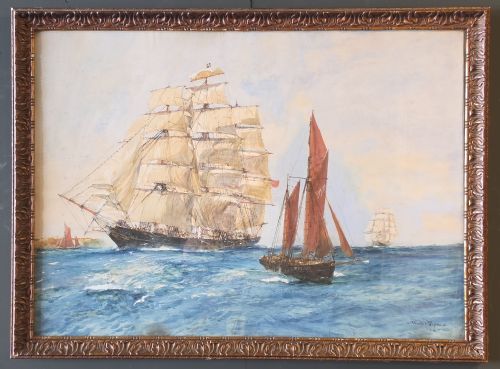
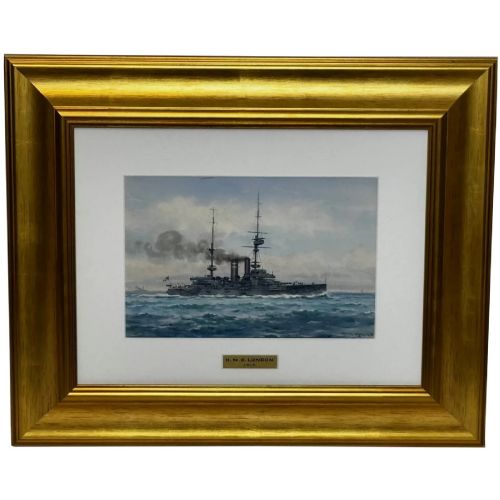
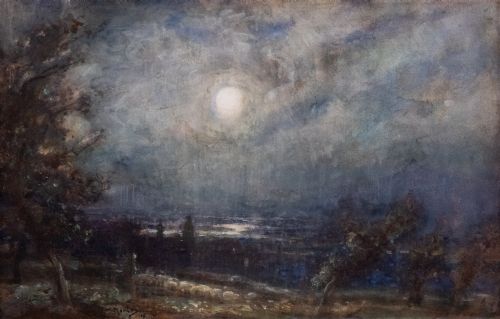
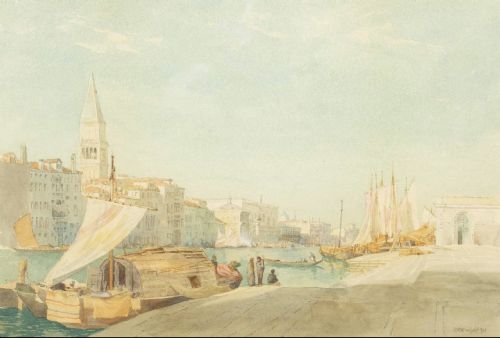
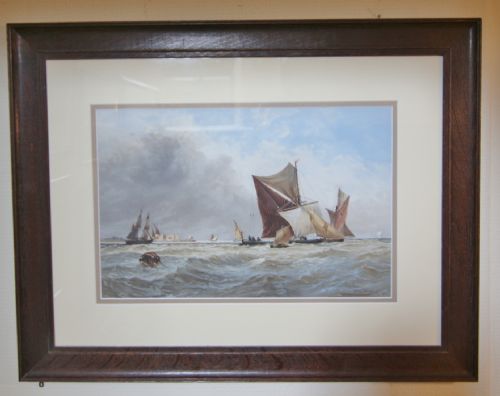
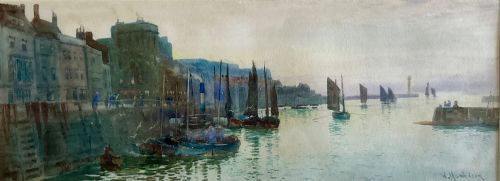
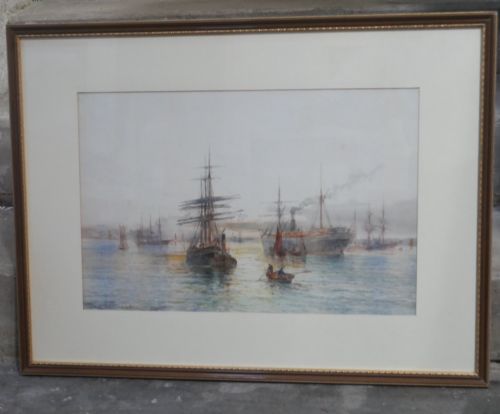
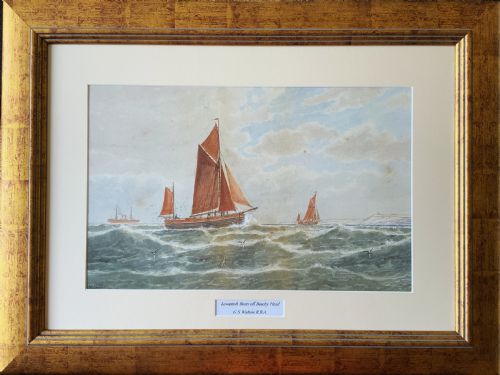
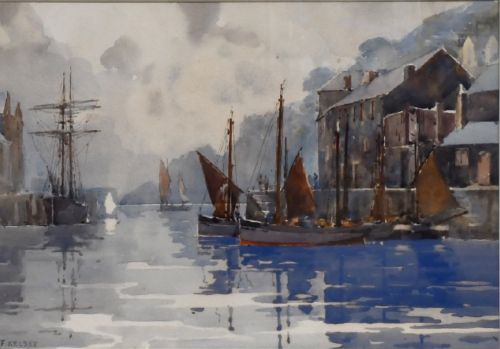
A blue seascape watercolour presents marine views, coastal harbours, and shipping scenes rendered upon paper. These works span from the Victorian period through to the mid-20th century, capturing fishing boats, naval vessels, and coastal landscapes.
The buyer meets framed artwork and works on paper showing British and European waters, executed by named artists and regional schools. Such paintings reflect a sustained historical fascination with the sea, combining topographical recording with atmospheric maritime observation.
Materials and Technique
Artists executed these works using watercolour pigment applied to paper surfaces, occasionally incorporating ink for linear definition. Washes create the translucent qualities of sea and sky, while dry brush techniques denote rigging, waves, and distant shorelines.
Framed presentation typically involves glass protection alongside wood or gilt wood framing to preserve the delicate pigment from environmental damage.
Blue Seascape Watercolour Retail Price Guide 2026
Typical asking prices for blue seascape watercolour among the pieces listed under this phrase on Sellingantiques today, from the lower quarter to the upper quarter. They describe what is for sale here now, not the wider market.
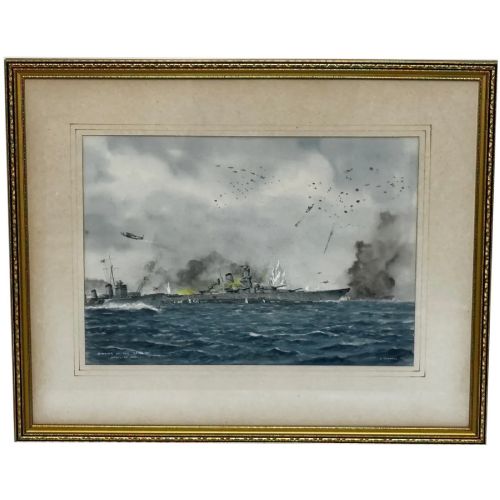
Several artists captured historical naval vessels alongside humble fishing cobles, proving that watercolourists documented both grand warships and local working boats.
Distinctions in Quality
Superior examples demonstrate confident brushwork and precise tonal control, particularly in capturing the shifting translucency of water and the luminosity of maritime skies. Lesser works often rely on formulaic compositions and heavy, opaque pigment applications that obscure the natural grain of the paper.
The reputation of the hand involved and the precision of the topographical or maritime detail further separate accomplished exhibition pieces from standard regional sketches.
James Orrock·William Cannon·Charles Edward Dixon·Eric Tufnell·Thomas Bush Hardy
The Blue Seascape Watercolour Glossary
- Watercolour pigment
- Finely ground colour particles mixed with a water-soluble binder, used to create transparent washes on paper.
- Works on paper
- A collective category encompassing drawings, sketches, and paintings executed on paper supports rather than canvas.
- Gilt wood
- Timber framing treated with a thin layer of gold leaf or metallic gilding, frequently found on period frames.
- Wash
- A thin, fluid layer of diluted watercolour pigment spread evenly across paper to represent expanses of sky or sea.
Blue Seascape Watercolour: Frequently Asked Questions
How should I frame a vintage seascape?
Protect the paper behind conservation-grade glass to prevent fading from light exposure. Maintain neutral mounts that give the watercolour adequate breathing space within its period frame.
Avoid placing the artwork in direct sunlight or damp environments, as moisture causes foxing spots on older paper stocks.
How do I date a maritime watercolour?
Examine the vessel types, rigging styles, and clothing fashions depicted in the scene for chronological clues. Artist signatures, exhibition labels on the reverse, and framing materials also help establish an accurate period.
Paper watermarks occasionally provide a reliable date of manufacture for the sheet itself.
What subjects appear in these paintings?
Common subjects include coastal harbours, fishing vessels at work, naval ships, and open sea crossings. Scenes often record specific British and European coastal locations during the nineteenth and early twentieth centuries.
Artists frequently focused on local maritime trade and dramatic weather conditions along the shoreline.
Are these works signed by the artist?
Many examples feature artist signatures or monograms, while others remain attributed based on style and provenance. Unsigned works frequently emerge from regional sketching traditions or professional maritime documentation.
Documentation on the reverse of the frame often records the title and the artist's name.