


Antique Sailing Boat Picture
An antique sailing boat picture captures the shifting moods of the sea on canvas and paper.
Antique Sailing Boat Picture
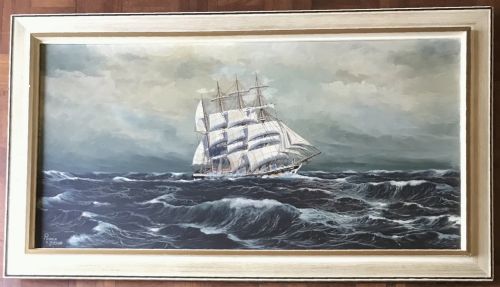
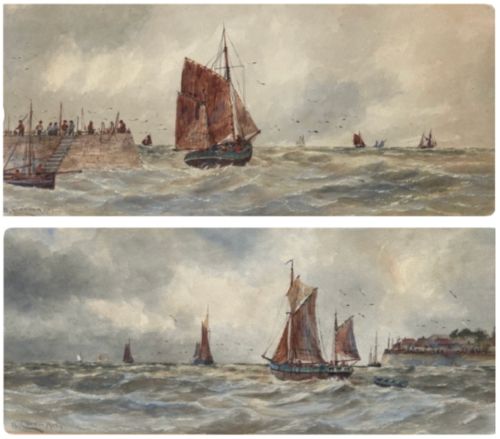
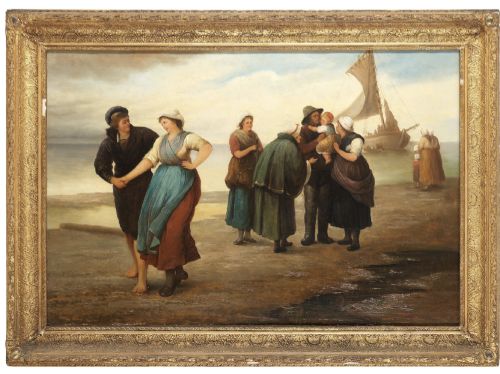
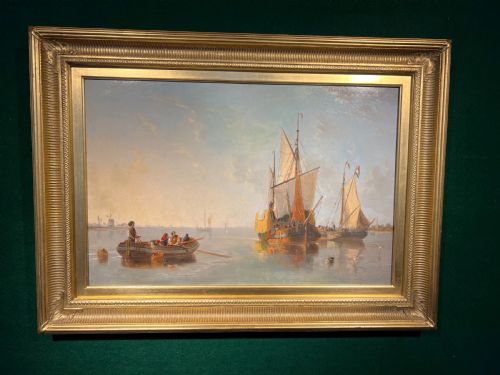
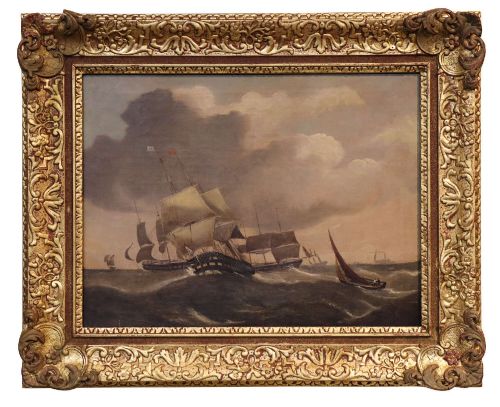
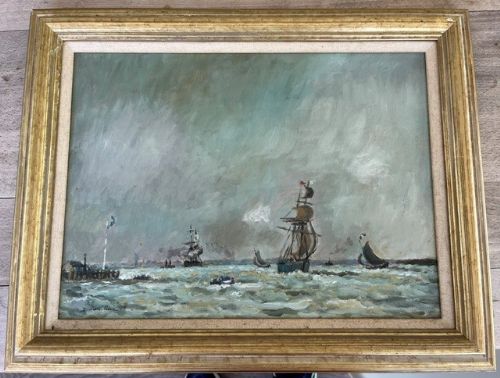
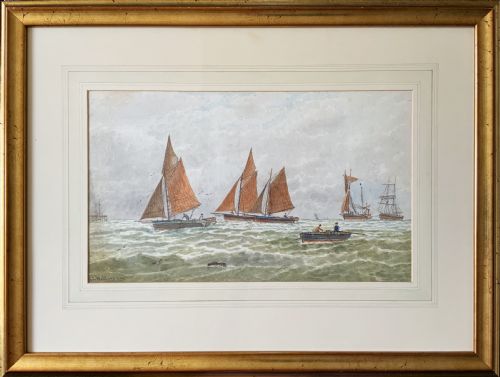
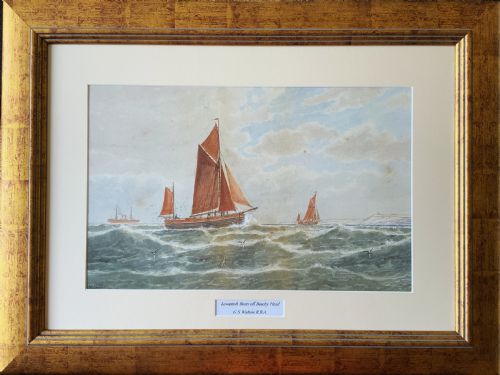
An antique sailing boat picture brings maritime history into an interior through painted records of coastal vessels, choppy waters and harbour scenes. These works capture the era of sail through the eyes of artists recording the daily toil and travel upon the sea.
The versions most commonly met in this selection are watercolours on paper and oil paintings on canvas, framed and ready to hang. They range from small, intimate depictions of local fishing boats to larger oil paintings depicting ships battling heavy seas or resting in foreign ports.
Originating predominantly from British and French schools, these pieces span from the early nineteenth century through to the mid-twentieth century. They reflect changing artistic interpretations of coastal life, varying from precise topographical records to looser impressionist interpretations.
Materials and Methods
Artists relied primarily on watercolour on paper or oil paints applied to canvas and board to render the sea and vessels. Watercolours allowed for translucent washes capturing misty air and shifting light, while oils provided depth and texture for turbulent waves and dark hulls.
Supporting these works are period wooden frames, often finished with gilt wood, giltwood, or gold leaf to isolate and highlight the scene within. These surrounds protect the delicate media and provide structural rigidity to the paper and canvas supports.
Paper, canvas and wood serve as the primary supports, complemented by gilt wood and gold leaf frames.
Assessing Quality
Quality rests upon the artist's ability to render the anatomy of vessels and the convincing movement of water. Stronger works demonstrate a secure grasp of perspective in rigging and hull construction alongside confident brushwork in the rendering of foam and wind.
The handling of atmospheric light and tonal balance separates ordinary decorative watercolours from accomplished fine art paintings. Superior examples capture the specific weight of maritime air and weather conditions without relying on formulaic repetition.
William Cannon·John Wilson Carmichael·George Stanfield Walters·Charles Napier Hemy·Fred Waugh·Alfred Henry Vickers·George Henry Knight·Thomas Bush Hardy·Edward Henry Holder·Robert Anderson·Frederick William Booty·Owen Bowen·Micheal Matthews·Frank Myers Boggs·J Syer·Edward Aubrey Hunt
The Antique Sailing Boat Picture Glossary
- Watercolour
- A painting method where fine pigment is suspended in a water-soluble binder on paper. This medium relies upon the white of the paper to provide luminosity through translucent washes.
- Oil painting
- The process of painting with pigments bound in a drying oil, traditionally linseed oil, applied to canvas or wood panels. This medium allows for rich impasto and deep tonal gradations.
- Giltwood
- Wood that has been carved and then covered with a thin layer of gold leaf or gilt. It provides a reflective, decorative border to frame and complement the artwork.
- Canvas
- A heavy woven fabric used as a surface for oil painting, stretched across a wooden frame. It provides a durable and textured ground that absorbs and holds heavy paint layers.
- Seascape
- A work of art that depicts the sea, coastal views, ships, or marine scenes. These subjects formed a major focus for nineteenth and early twentieth-century painters.
Antique Sailing Boat Picture: Frequently Asked Questions
How should I hang an antique marine painting?
Hang the artwork away from direct sunlight and damp walls to protect fragile paper supports, watercolours and oil paint layers. Use picture hooks rated securely for the weight of the framed piece.
Keep the painting at a stable room temperature to prevent the wood in the frame and the canvas from expanding or contracting over time.
How do I identify the date of a painting?
Examine the style of the frame, the backing materials, and any signatures or dates left by the artist on the front or reverse of the work. Stylistic clues in the rigging of the sailing ships and the clothing of any figures also provide a reliable guide to the period.
Compare the artist's recorded working dates against the materials used, such as nineteenth-century canvas stamps or period paper watermarks.
What is the difference between oil and watercolour?
Watercolour paintings use transparent pigments on paper and require glass protection to prevent moisture damage and dust accumulation. They offer a delicate and luminous quality suited to coastal air and light.
Oil paintings use thick pigments on canvas or board and do not require glass, displaying a textured surface and deeper colour saturation that handles dramatic seas well.
Can I reframe an antique picture?
Retain the original frame whenever possible, as antique giltwood and wood surrounds form an integral part of the piece's historical context. Many collectors value the matching age of the frame to the artwork.
Consult a professional framer if the existing mount causes structural risk or acid damage to the paper or canvas within.