

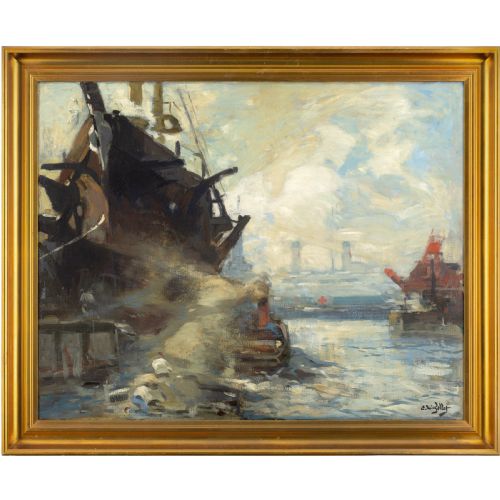
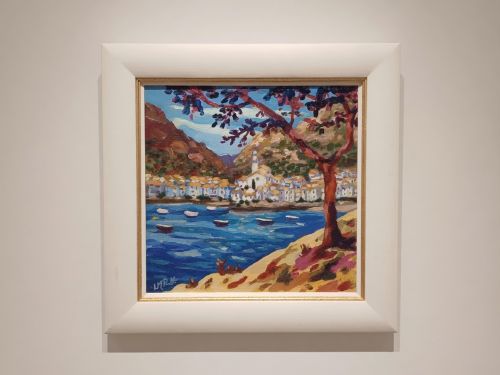
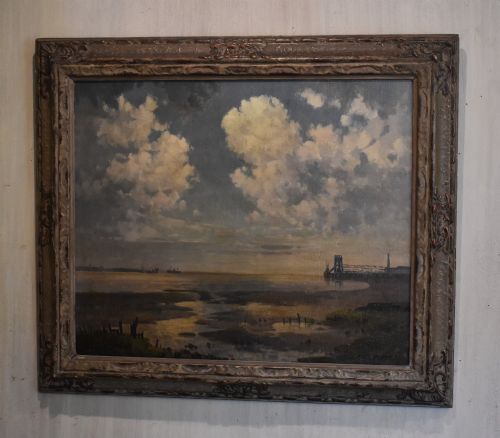
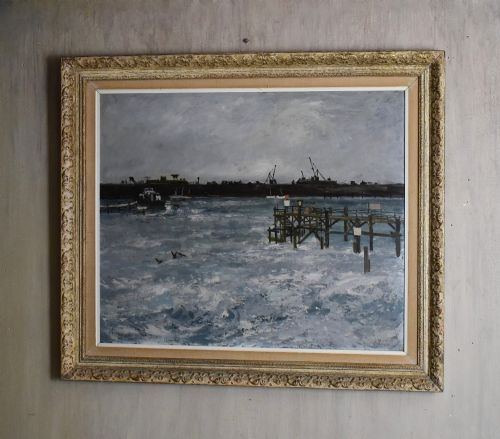


Original Harbour Canvas Artwork
Original harbour canvas artwork captures maritime scenes and coastal life through oil paint, offering buyers historical perspectives and decorative coastal charm.
Original Harbour Canvas Artwork
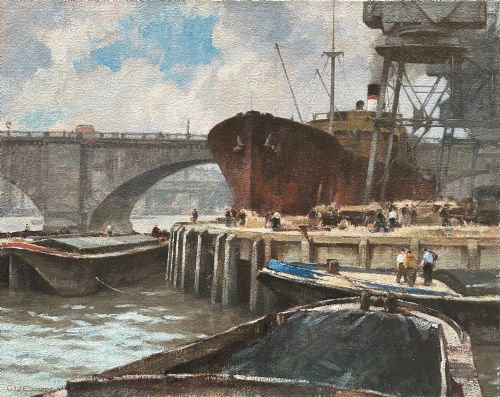
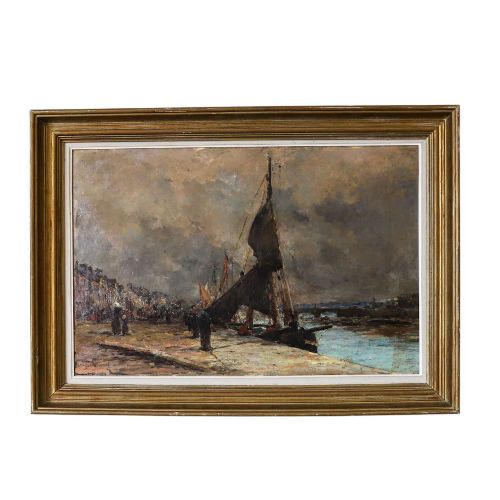
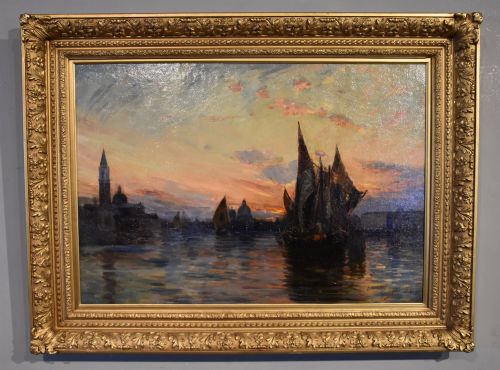
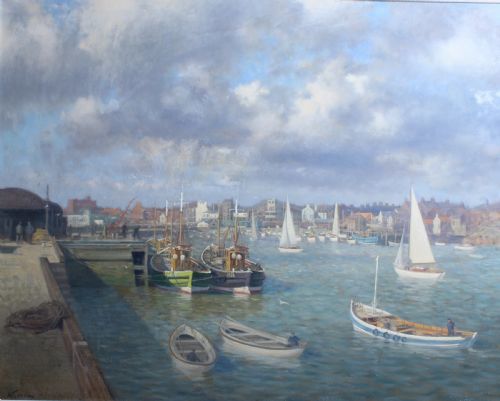
Original harbour canvas artwork encompasses oil paintings depicting coastal scenes, ports, shipping, and maritime landscapes from the nineteenth and twentieth centuries. These pieces record working harbours, fishing ports, and international waterfronts through the lenses of various artistic movements including Impressionism and Post-Impressionism. Buyers looking at this selection will find coastal depictions ranging from nineteenth-century maritime records to mid-century modernist interpretations.
The most common examples on this page are oil paintings on canvas or board created by British, French, and international artists during the nineteenth, Edwardian, and mid-twentieth periods. Subjects frequently feature specific locations such as St Ives, Whitby, and continental ports, rendered with varying degrees of impressionistic brushwork. These works provide direct visual documentation of historic maritime trade and coastal communities.
How They Were Made
These works rely on traditional oil paint applied to woven canvas supports or rigid wooden boards, often utilising brushwork and impasto techniques to build texture. Artists manipulated oil media to capture changing coastal light, water reflections, and atmospheric conditions in ports across Britain and Europe. Many pieces retain their period frames, frequently constructed of wood with gilt finishes that complement the maritime compositions.
Support materials range from standard stretched canvases to prepared wooden boards, dictated by the painter's preference and the period of creation. The application of oil pigment allowed artists to work both <em>en plein air</em> beside the harbour or complete larger compositions within the studio using preparatory sketches.
This selection spans the nineteenth century up to the 1960s, featuring oil paintings on canvas and board created across Britain, France, and wider Europe.
What Varies in Quality
Quality in these maritime paintings depends upon the artist's ability to handle light, atmosphere, and spatial depth within a busy harbour composition. Stronger examples demonstrate confident brushwork, secure tonal balance, and a deliberate engagement with the specific qualities of coastal weather and water. Lesser pieces often rely on formulaic repetition without capturing the particular atmosphere of the named port.
The provenance, recorded exhibition history, and the artist's standing within movements such as the St Ives School or British Impressionism elevate certain works above standard decorative landscapes. Condition of the original paint layer and the compatibility of the surrounding frame also influence the overall standard of the surviving artwork.
The Original Harbour Canvas Artwork Glossary
- Impressionism
- A nineteenth-century painting movement focusing on light, loose brushwork, and everyday subjects. In maritime art, this technique captures shimmering water and transient weather effects.
- Gilt frame
- A wooden picture surround covered with a thin layer of gold leaf or metallic gilt paint. These frames frequently accompany nineteenth and early twentieth-century oil paintings.
- Impasto
- Paint applied thickly to a canvas or board, standing out from the surface so that the brush or palette knife marks remain visible. This technique adds literal texture to water and clouds.
- Board
- A rigid wooden panel utilised as a painting support instead of woven fabric. Artists frequently employed board for smaller outdoor studies and plein air sketches.
Original Harbour Canvas Artwork: Frequently Asked Questions
What periods do these paintings cover?
The works span from the nineteenth century through the Edwardian era and across the twentieth century, including pieces from the 1900s, 1920s, and 1950s.
These dates reflect the active periods of the various maritime artists represented in the current selection of coastal art.
Which materials were used by the artists?
Painters utilised oil paint applied to either stretched canvas or wooden boards, frequently housed within period wooden or gilt frames.
This combination of oil on canvas or board provided the durability and tactile quality necessary for capturing changing marine atmospheres.
How can I identify the location in a painting?
Many works include specific geographic titles inscribed on the canvas, stretcher bars, or frame, naming ports such as St Ives, Whitby, or Venice.
Additional clues appear in architectural landmarks, shipping vessels, and coastal topography depicted by the artist.