


Original Framed Canvas Art
Original framed canvas art brings centuries of painted portraits, landscapes and still lifes into a room within their period wooden frames.
Original Framed Canvas Art
Original framed canvas art consists of oil paintings executed directly on woven fabric supports, housed in their contemporary or later protective surrounds. When searching for original framed canvas art, buyers encounter works spanning from the seventeenth century through to the mid-twentieth century and beyond.
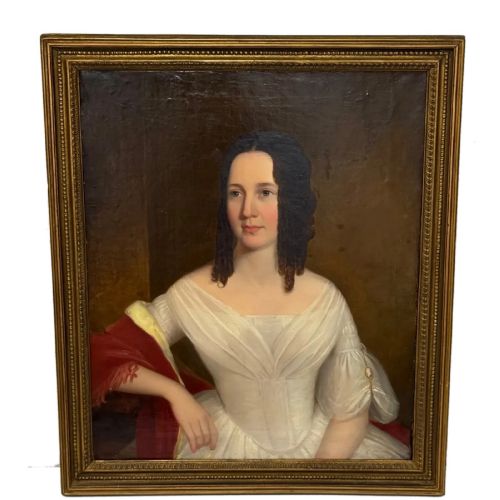
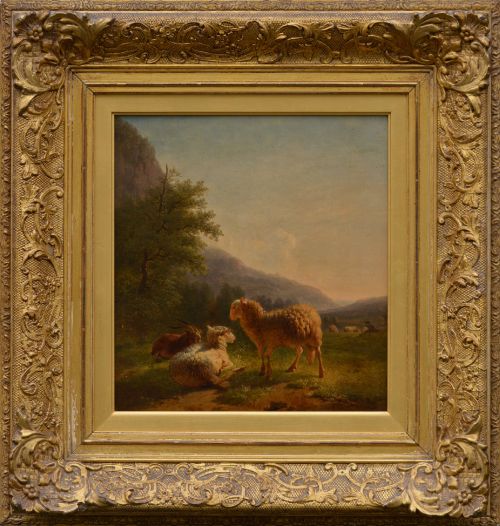
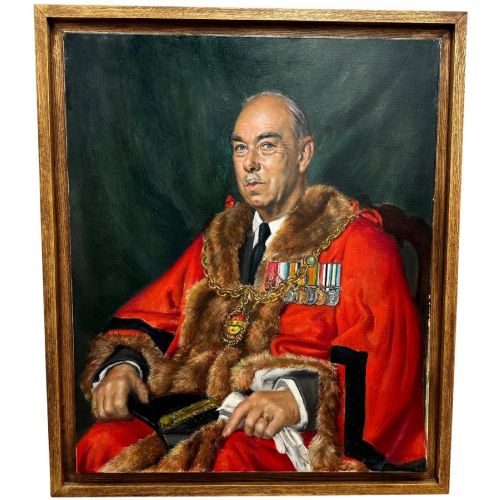
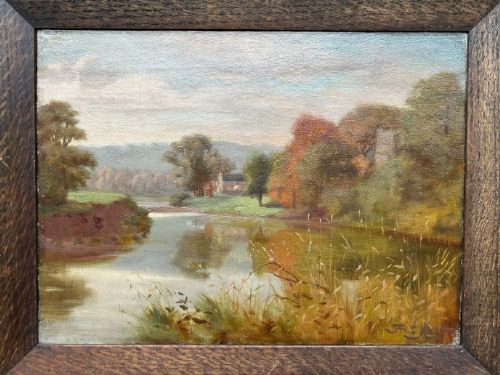
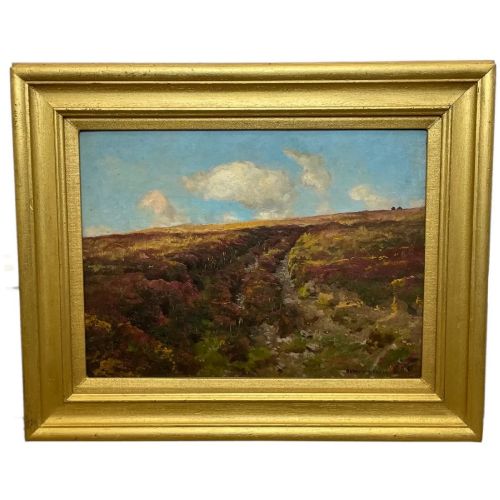
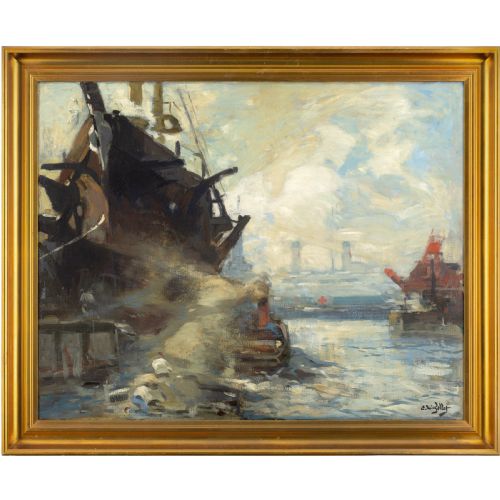
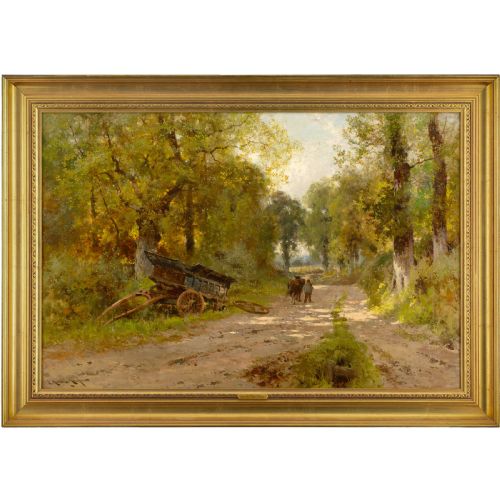
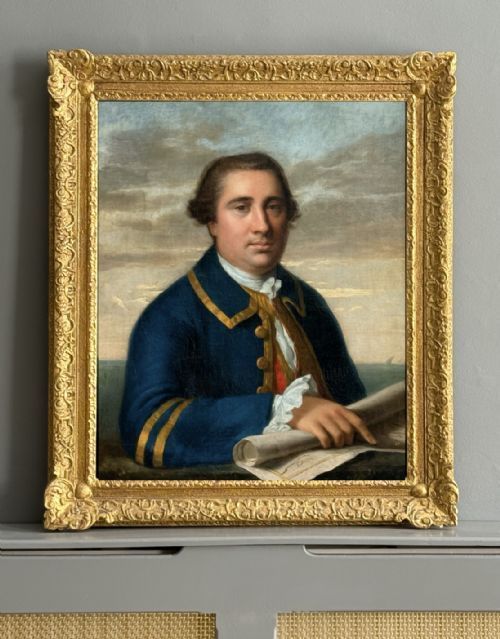
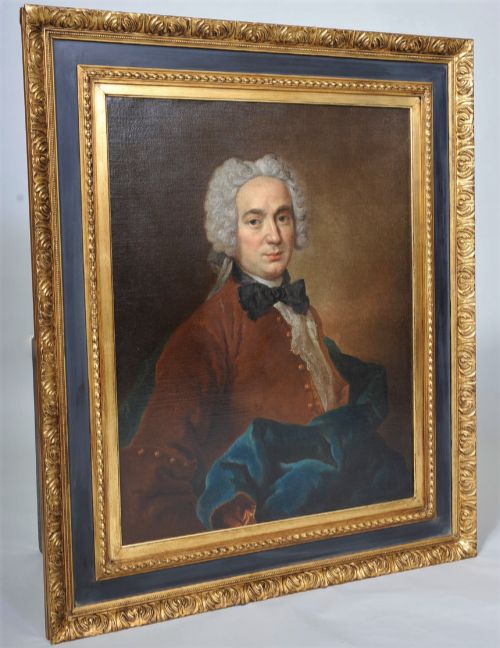
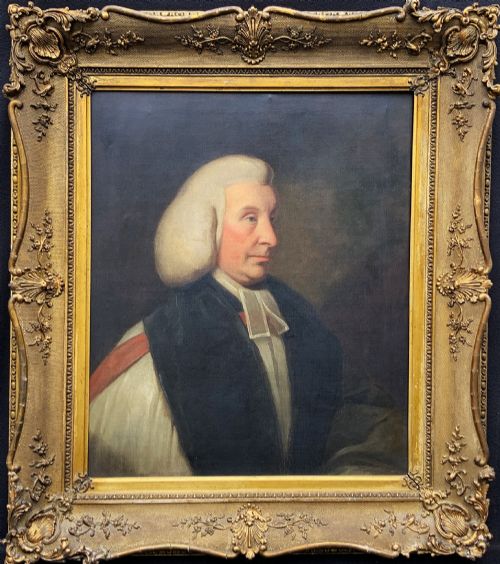
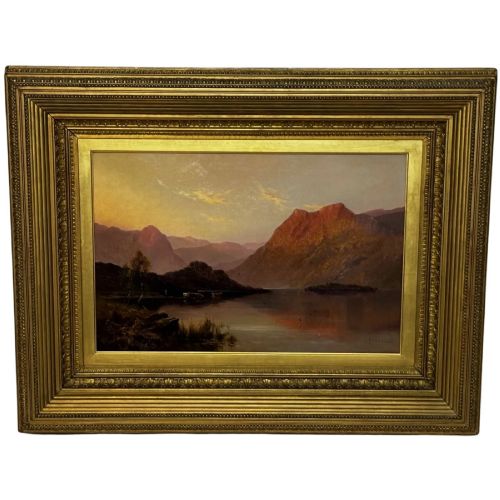
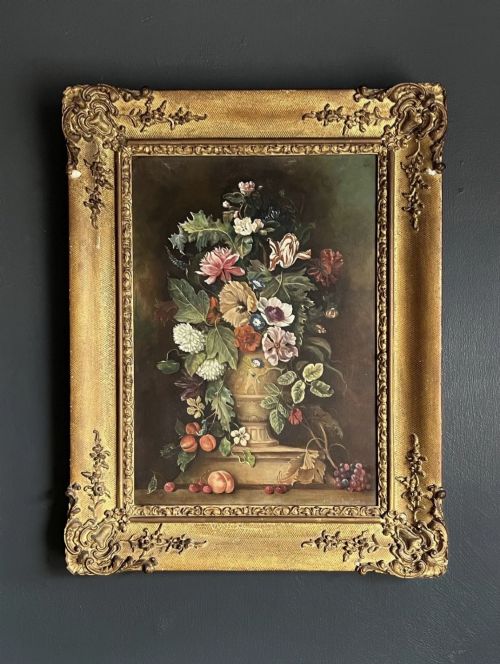
The subjects on this page range widely across traditional genres, including detailed portraiture, pastoral landscapes, maritime scenes, and floral still lifes. Portrait paintings and woodland or river views dominate the selection, often bearing the signatures of established British and European artists.
Framing takes many forms, with pieces arriving in carved wood, giltwood, or moulded gesso surrounds that complement the era of the painting. These works bridge historical periods like the Georgian, Victorian, and Edwardian eras with mid-century modern and contemporary expressions.
How they were made
Artists painted primarily with oil paint on stretched canvas supports, using wood to construct the underlying stretchers and heavier timber or gesso for the outer frames. Pigments were applied in layers, sometimes building rich impasto textures or smooth glazes depending on the period and school.
Several canvases capture everyday domestic life, featuring watchful cats, resting sheep, and children at play.
What varies in quality
Quality rests in the handling of brushwork, anatomical proportion, and the subtlety of light and shadow achieved by the painter. Masterful execution distinguishes a lively portrait or atmospheric landscape from a stiff, formulaic studio production.
The integrity and artistry of the frame also dictate the overall standard of the piece, where deeply carved giltwood or period-matching gesso enhances the canvas far beyond a simple modern moulding.
Eugène Verboeckhoven·Bernard Hailstone·William H Myers·George Graham·John Hayls·Clifford Hanney·Frederick Marriott·Arthur Wardle·Eugène-Louis Gillot·John Horace Hooper·Lemuel Francis Abbott·Alfred Fontville de Breanski Jr·George Houston·Kenneth Cozens·Stephen Samuel Lewin·Robert Morson Hughes·Vittorio Reggianini·Thomas W Lascelles·Gabriel Mathieu·David Bates·Arthur Gué·Benjamin Barker of Bath·Alfred Lyndon Grace·Kevin Platt
The Original Framed Canvas Art Glossary
- Canvas
- A heavy woven fabric, typically flax or hemp in older works, stretched tightly across a wooden frame to serve as a stable painting surface.
- Gesso
- A plaster-like mixture applied to wooden frames as a smooth base before gilding or painting.
- Giltwood
- Timber that has been coated with a thin layer of gold leaf or gold paint, frequently seen on elaborate period frames.
- Impasto
- Paint applied in thick strokes that stand visibly out from the canvas surface, creating a tactile texture.
- Provenance
- The documented history of ownership of an artwork, establishing its authenticity and background.
Original Framed Canvas Art: Frequently Asked Questions
How do I hang a heavy framed canvas?
Heavy oil paintings require sturdy fixings screwed directly into wall studs or heavy-duty wall anchors rated for the weight of the timber frame and canvas.
Using a professional two-point hanging wire system distributes the load evenly and keeps the artwork stable against the wall.
Should I clean an old oil painting?
Surface dust can be removed gently with a very soft, dry brush, but deeper cleaning involving solvents must be left to a professional conservator.
Attempting to wash the canvas yourself risks damaging the delicate layers of historical oil paint beneath.
How do I identify the age of a frame?
Frame age is suggested by the construction methods of the wooden corners, the composition of the gesso, and the type of gold leaf or tooling used.
Many frames are original to the canvases they hold, while others were replaced or updated in later decades.
Where should I place canvas art at home?
Canvas paintings prefer stable indoor environments away from direct sunlight, high humidity, and rapid temperature changes near radiators or fireplaces.
Placing them on interior walls ensures the canvas and wooden stretcher bars remain free from warping over time.