





Imari Porcelain Plate
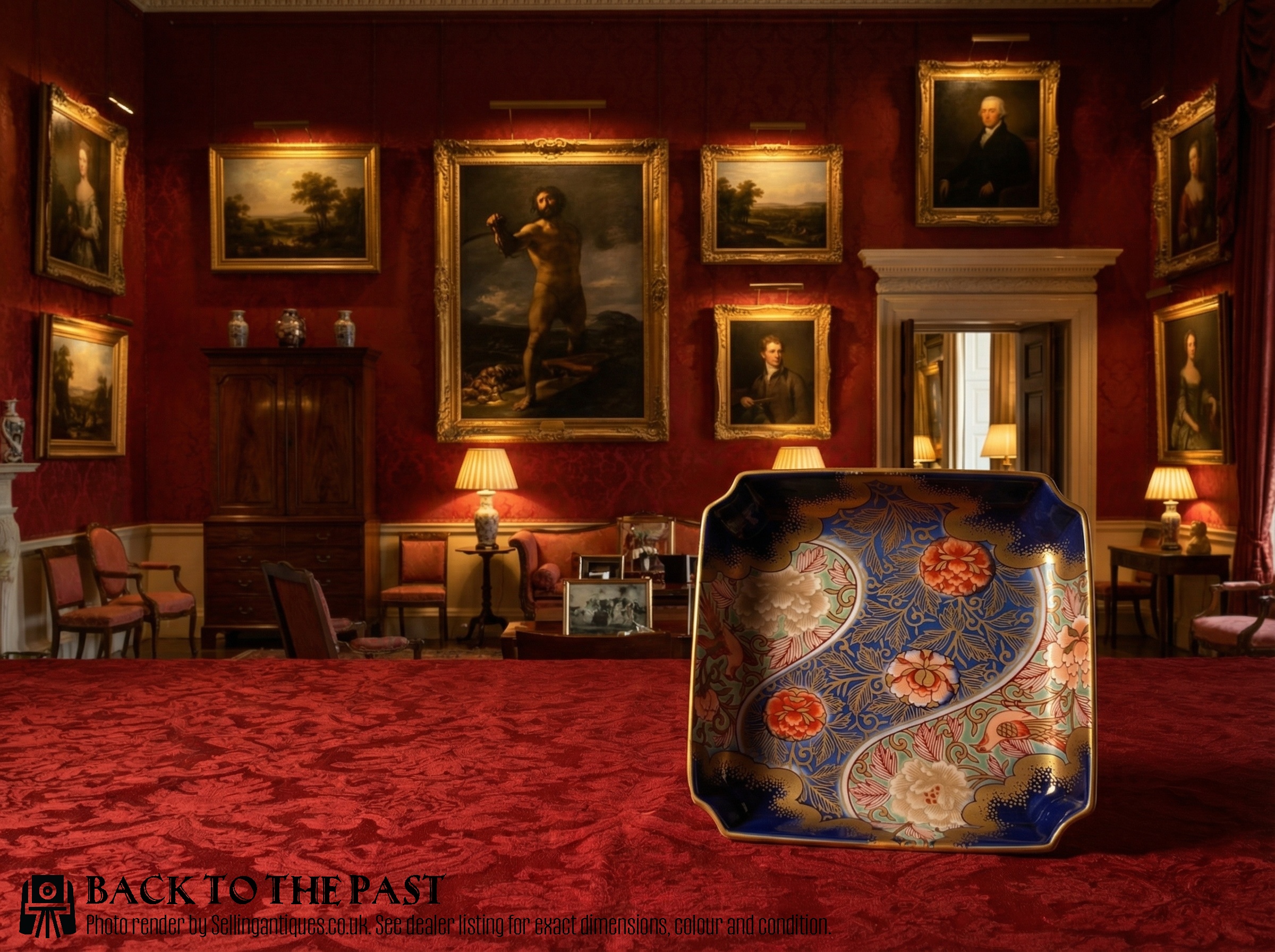
An imari porcelain plate brings vibrant palettes of cobalt blue and iron red together on glazed ceramic, offering collectors centuries of diverse ceramic traditions.

Imari Porcelain Plate
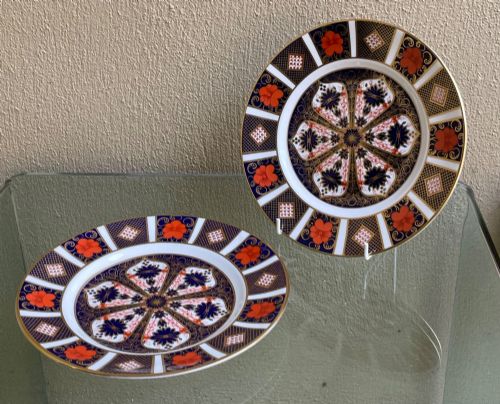
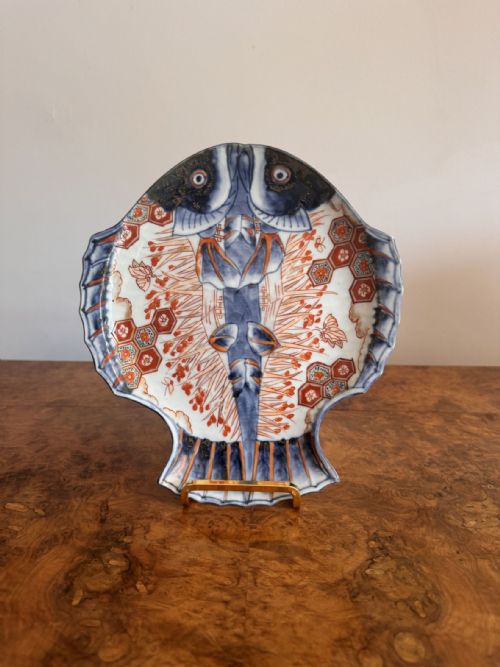
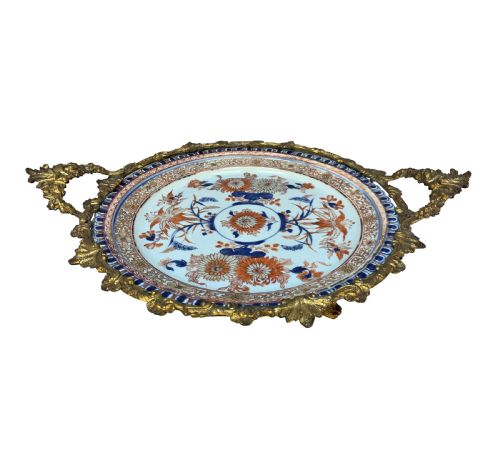
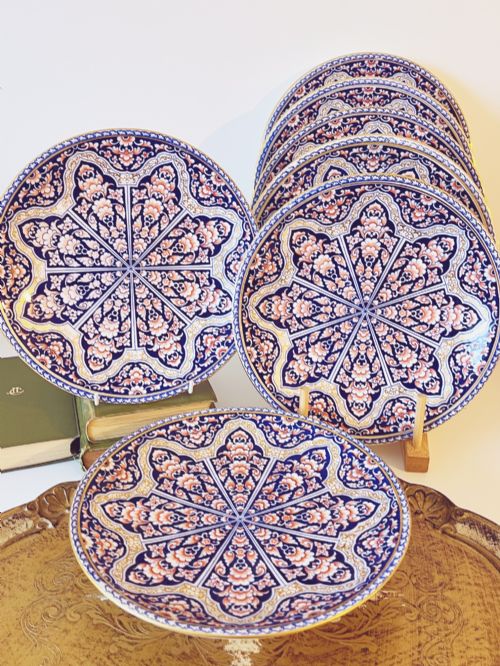
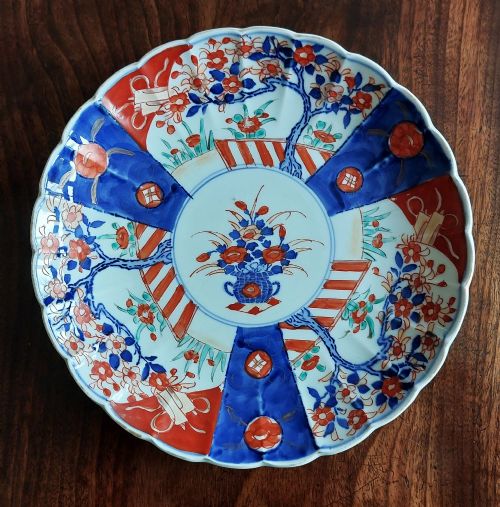
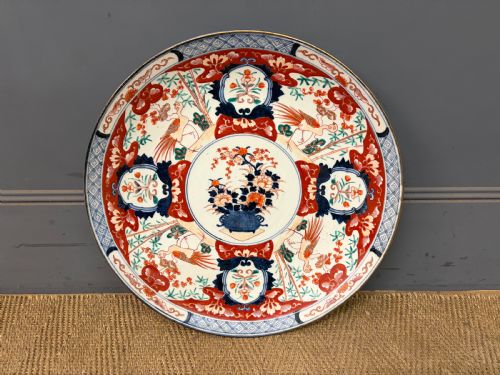
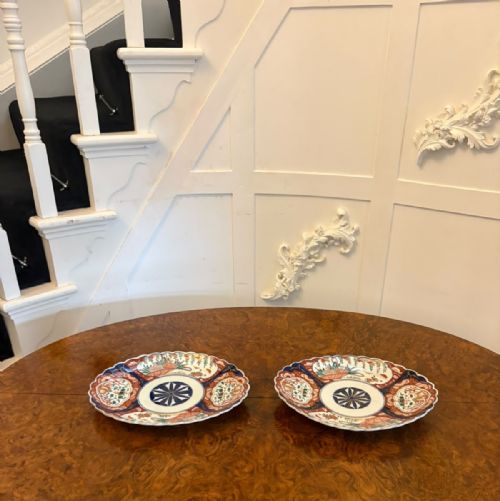
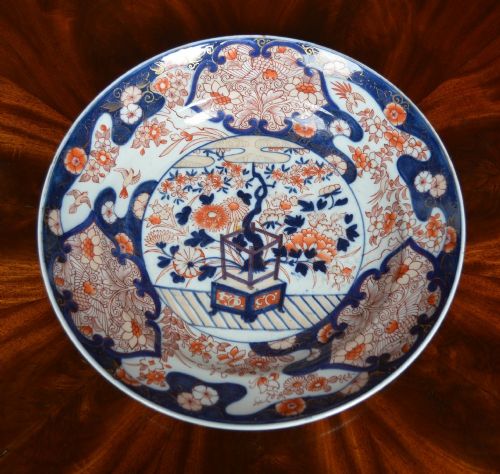
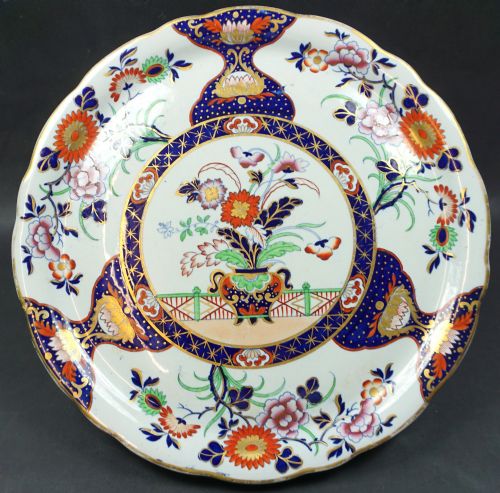
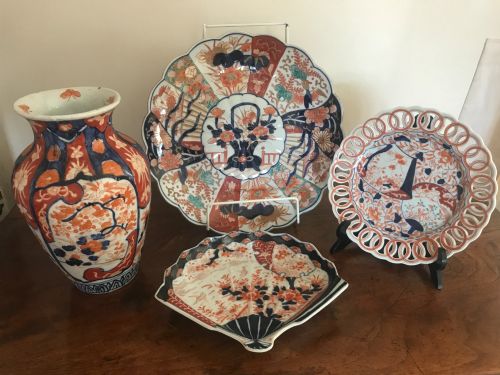
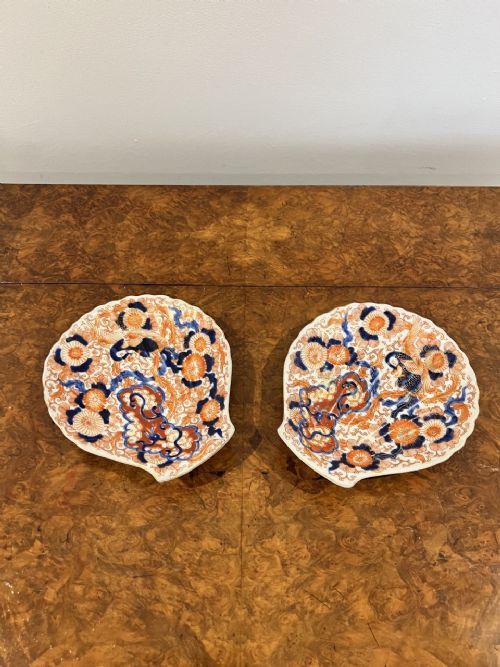
When you search for an imari porcelain plate, you encounter items stemming from distinct geographic traditions, including Japanese export wares from the Meiji and Edo periods as well as English adaptations from Georgian and Victorian makers. These objects function primarily as decorative chargers, wall plates, dessert service components, and serving dishes shaped in circles, squares, hexagons, ovals, and fish forms.
The Japanese examples frequently display intricate hand-painted motifs featuring exotic birds, floral arrangements, and scalloped edges originating from Arita. Meanwhile, European makers from the eighteenth and nineteenth centuries adopted the signature palette for ironstone and earthenware services to satisfy domestic demand for Asian-inspired design.
How they were made
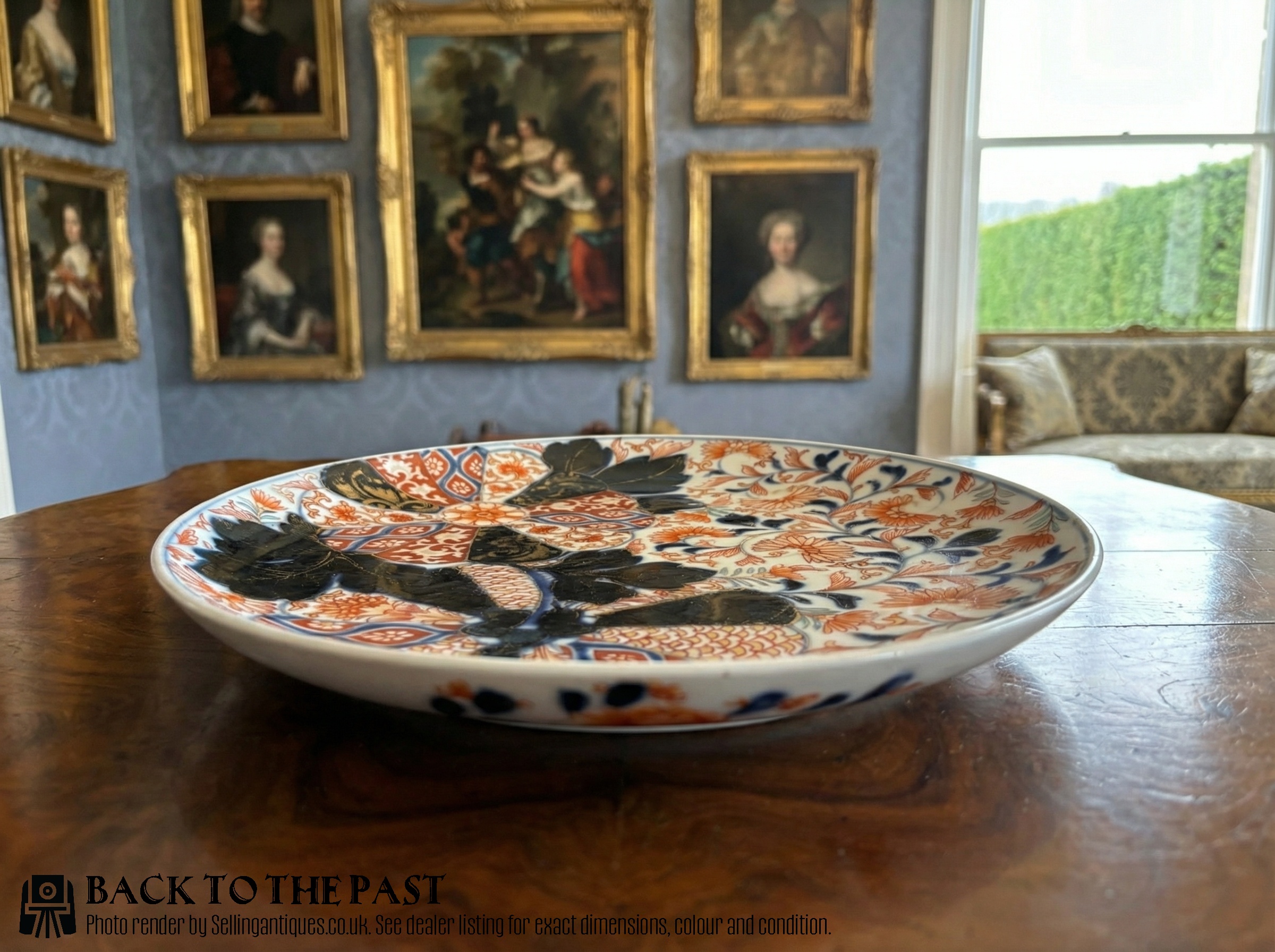
Potters shaped ceramic bodies from porcelain, earthenware, or ironstone, applying underglaze blue pigments before a primary firing. Artisans then added overglaze enamels in iron red alongside additional colours and gold leaf, utilising subsequent lower-temperature firings to fix the decorative surface.
Gilding and gilt highlights appear extensively across both Asian and English interpretations to accent intricate border patterns and central motifs. Glazes seal the ceramic substrate while providing the smooth reflective finish characteristic of these decorated wares.
Imari Porcelain Plate Retail Price Guide 2026
Typical asking prices for imari porcelain plate among the pieces listed under this phrase on Sellingantiques today, from the lower quarter to the upper quarter. They describe what is for sale here now, not the wider market.
The selection spans eighteenth-century Chinese export items, nineteenth-century Japanese Meiji chargers, and English Georgian ironstone services.
What varies in quality
The precision of hand-painted brushwork dictates visual success, separating sharply detailed exotic birds and symmetrical borders from hurried execution. Crispness in the moulding of scalloped, hexagonal, or shell-shaped edges also distinguishes finer production standards.
The preservation of original gold leaf and enamel pigments across centuries influences desirability. Pieces retaining rich, unrubbed gilt and vibrant overglaze colours demonstrate superior longevity and material resilience.
Royal Crown Derby·Hicks And Meigh·John Davenport Of Longport·Coalport
The Imari Porcelain Plate Glossary
- Imari palette
- A distinctive decorative scheme defined by the combination of underglaze cobalt blue, iron red enamel, and gold leaf. This visual formula originated in Japan and was subsequently adopted by European potteries.
- Charger
- A large decorative plate or dish utilised historically for formal presentation rather than individual dining. These substantial pieces frequently display the most elaborate painted compositions.
- Meiji Period
- A historical era in Japan spanning from 1868 to 1912 associated with extensive export porcelain production. Many decorative plates from this timeframe feature refined enamel work.
- Ironstone
- A dense, durable type of earthenware developed in nineteenth-century England. Potters used this sturdy ceramic body to create services decorated in the Asian-inspired style.
- Comport
- A raised serving dish or pedestal bowl designed for fruit or desserts. These vessels often accompany plates within matched Victorian and Georgian dining services.
Imari Porcelain Plate: Frequently Asked Questions
How do I tell Japanese imari from English imari?
Japanese examples utilise true porcelain bodies with distinct underglaze blue and iron red painting characteristic of Arita export wares. English equivalents frequently employ ironstone, earthenware, or bone china adapted by regional potteries during the Georgian and Victorian eras.
Examination of the foot ring and paste composition often reveals the distinction between oriental porcelain production and domestic British ceramic manufacturing methods.
Were these plates used for dining?
Many larger examples function primarily as decorative chargers and display dishes rather than functional tableware. Smaller formats integrated into dessert services saw direct use during formal dining occasions.
Overglaze enamel and gold leaf application methods meant that frequent washing could diminish the decorative surface over time. Consequently, many survived as ornamental pieces displayed on walls or within cabinets.
What is a charger plate?
A charger is an oversized decorative plate measuring substantially larger than standard diningware. Historically placed beneath other courses, they served ornamental and presentation functions at formal meals.
In imari wares, these large surfaces allowed artisans to paint complex geometric borders and central floral or avian motifs. Their scale makes them prominent focal points for display.
How should I clean my antique plate?
Antique porcelain and earthenware require gentle hand washing using lukewarm water and mild soap. Avoid abrasive sponges, chemical detergents, and automatic dishwashers to protect delicate overglaze enamels and gold leaf.
Dry the ceramic thoroughly with a soft cloth immediately after cleaning. Proper handling preserves fragile gilt highlights and prevents moisture damage to older glaze surfaces.
How do I date an imari plate?
Dating relies on analysing the ceramic paste, backstamps, potting style, and stylistic conventions of the period. Eighteenth-century pieces exhibit different body densities and enamel textures compared to Meiji export wares or Victorian ironstone.
Reference marks, shape variations like fish forms or scalloped edges, and historical context provide the primary clues for determining age.