








Imari Porcelain Display Dishes
Imari porcelain display dishes bring rich iron-red and cobalt-blue palettes to interiors, offering striking visual weight on walls and tables.
Imari Porcelain Display Dishes
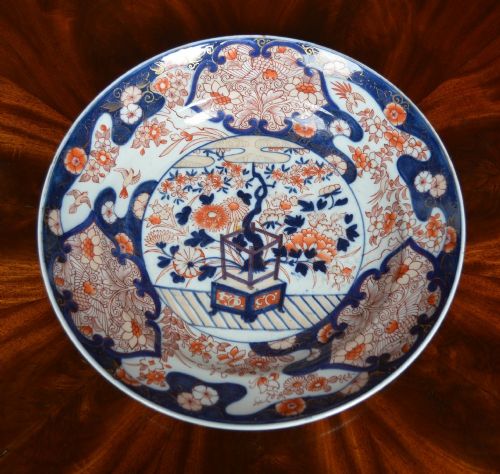
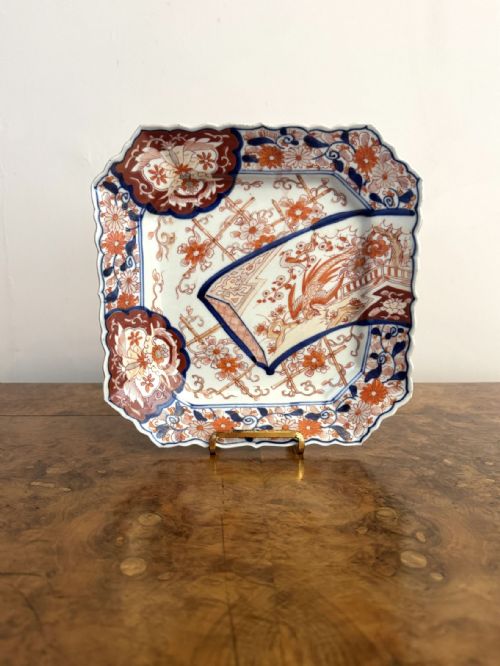
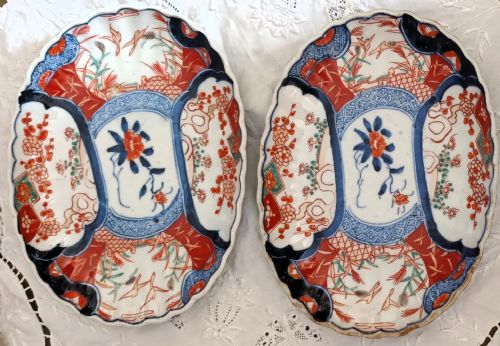
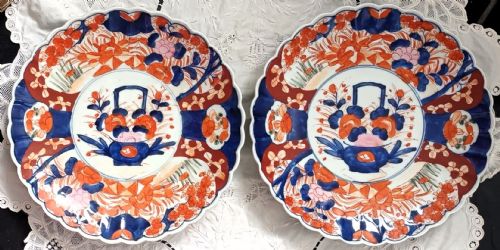
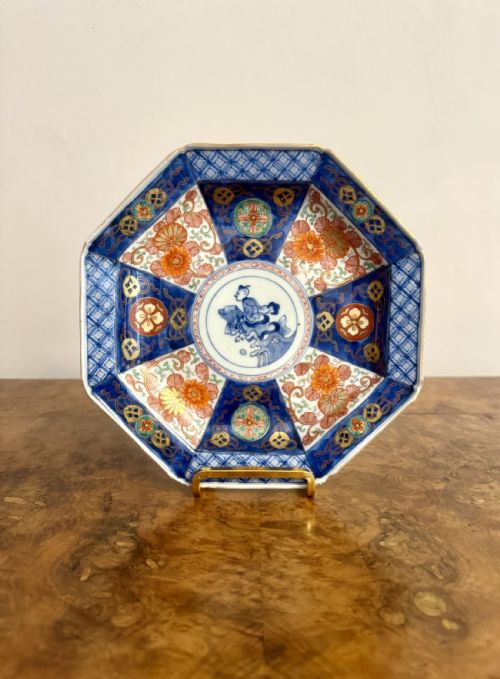
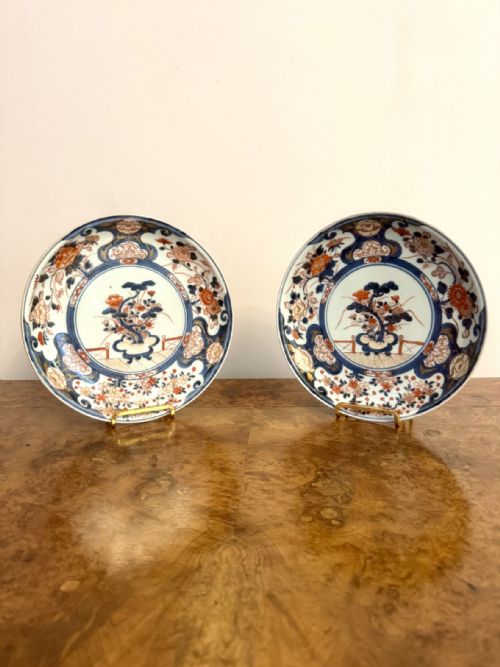
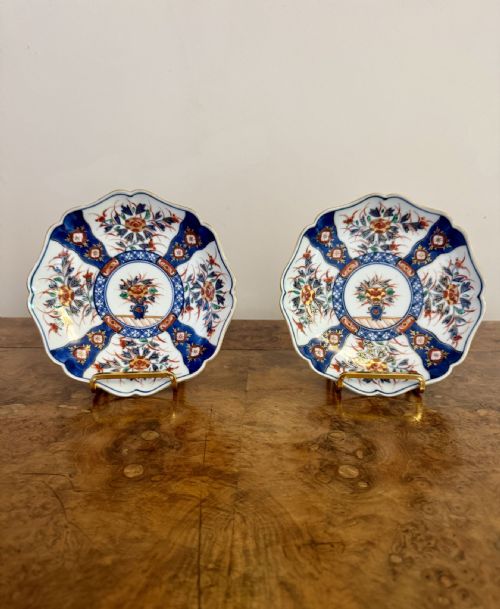
When searching for imari porcelain display dishes, buyers encounter a robust selection of chargers, decorative plates, and bowls originating primarily from Japanese Meiji period workshops and later nineteenth century productions. These pieces span standard circular chargers, scalloped edges, and geometric square or hexagonal formats designed specifically for prominent display.
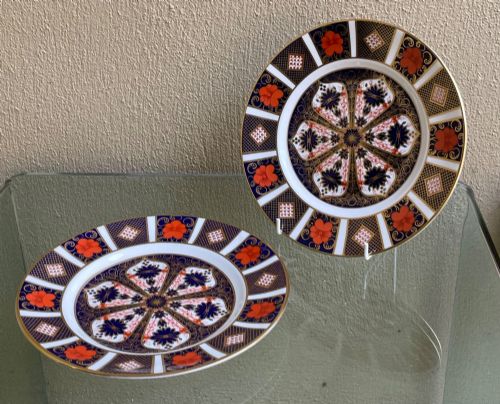
The offerings also include Chinese export examples alongside nineteenth century English interpretations such as Worcester porcelain. The predominant style is Japanese Imari, accompanied by Japanese Meiji period pieces and occasional Qing dynasty items.
Most entries date from the nineteenth century and around nineteen hundred, reflecting a strong preference for late Meiji craftsmanship. Forms range from single decorative dishes to matched pairs and larger sets of six plates.
Materials and Technique
Potters shaped ceramic and porcelain bodies before applying underglaze cobalt blue and vibrant overglaze enamels. This technique required multiple firings to bond the distinct mineral colours.
Many examples incorporate gold leaf or gilding applied over the glaze to highlight intricate floral and avian motifs. The resulting surface combines deep blues, rusty reds, and metallic highlights on a white ceramic base.
Listings feature porcelain, enamel, and ceramic materials decorated with overglaze enamel and gold leaf.
Variations in Quality
The distinction between standard output and superior pieces lies in the precision of the hand painted detail. Superior chargers and plates display crisp outlines in the cobalt blue and careful application of overglaze enamels and gilding.
Form and design complexity also separate categories, with unusual shapes like hexagonal or square plates and intricate motifs such as the Seven Lucky Gods indicating higher artisanal ambition.
Royal Crown Derby·Flight Barr And Barr·Worcester
The Imari Porcelain Display Dishes Glossary
- Imari style
- A decorative aesthetic characterised by a palette of underglaze blue, iron red, and gilt highlights. This palette originated in Japan and was later copied by European and Chinese potteries.
- Charger
- A large decorative plate intended for display on a wall or sideboard rather than for dining use. These pieces measure significantly larger than standard table plates.
- Meiji period
- The era of Japanese history spanning from eighteen sixty-eight to nineteen twelve. Items from this time often show highly detailed hand painted floral and bird designs.
- Overglaze enamel
- Coloured glass decoration applied on top of the fired glaze and fixed with a subsequent low temperature firing. This technique allows for bright reds, greens, and yellows.
- Scalloped edge
- A decorative rim shaped into a series of continuous curves. This contour appears frequently on Japanese Imari bowls and plates.
Imari Porcelain Display Dishes: Frequently Asked Questions
How were display chargers used?
Large chargers were produced primarily for visual presentation rather than culinary service. Households placed them on sideboards, tables, or mounted them on walls to showcase rich painted patterns.
Their substantial diameter and complex polychrome designs made them focal points in nineteenth century interiors.
How do I identify meiji period imari?
Meiji period imari pieces date between eighteen sixty-eight and nineteen twelve, often exhibiting dense hand painted floral, bird, or figural motifs. The porcelain body tends to be crisp, carrying deep underglaze blue paired with bright overglaze iron-red and gilt.
Many bear decorative scalloped edges or geometric forms characteristic of late nineteenth century Japanese export production.
Are imari plates safe for food?
Antique imari porcelain display dishes are intended for decorative collection and visual display rather than daily dining use. Overglaze enamels and gold leaf applied centuries ago can wear down with active use and cleaning.
Displaying them on walls or stands preserves the painted surface from modern detergents and cutlery wear.