

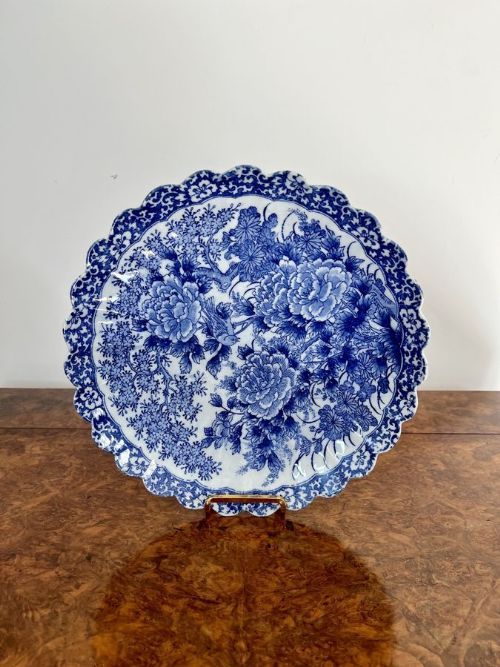


Edo Style Ceramic Plates
These edo style ceramic plates bring centuries of Japanese kiln artistry directly into your home, offering bold patterns and traditional forms.
Edo Style Ceramic Plates
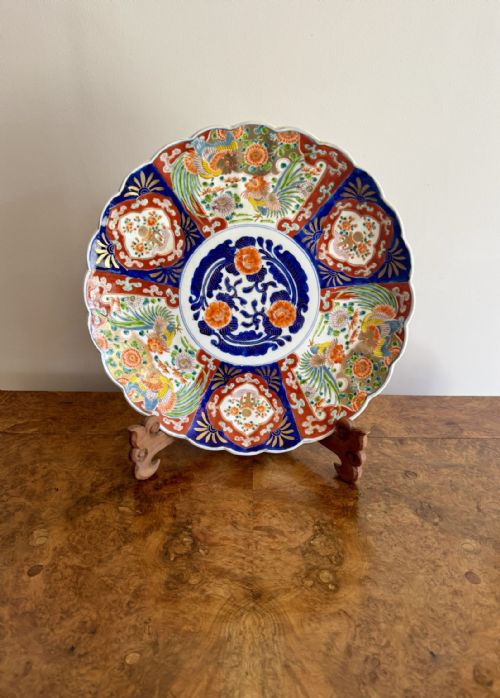
When you search for edo style ceramic plates, you encounter decorative plates, chargers, platters and dishes produced across several distinct eras. The inventory spans pieces from the 17th century through to the early 20th century, capturing the evolution of classic Japanese ceramic design.
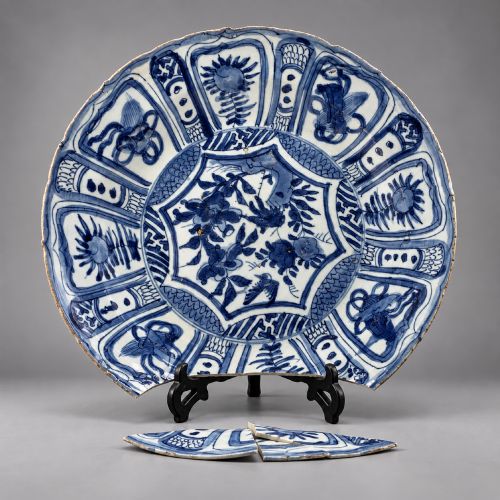
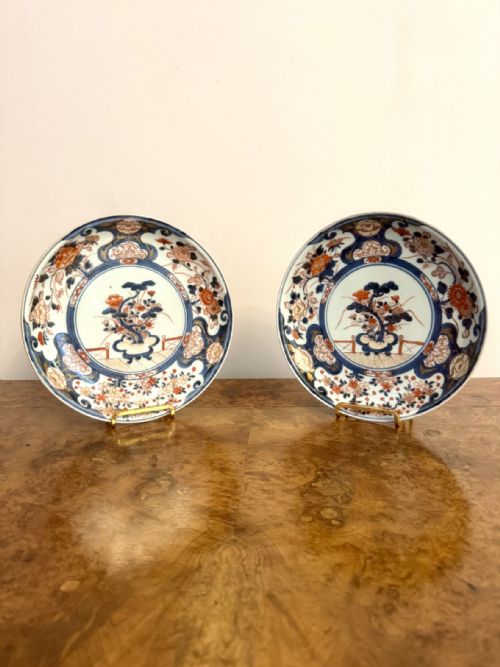
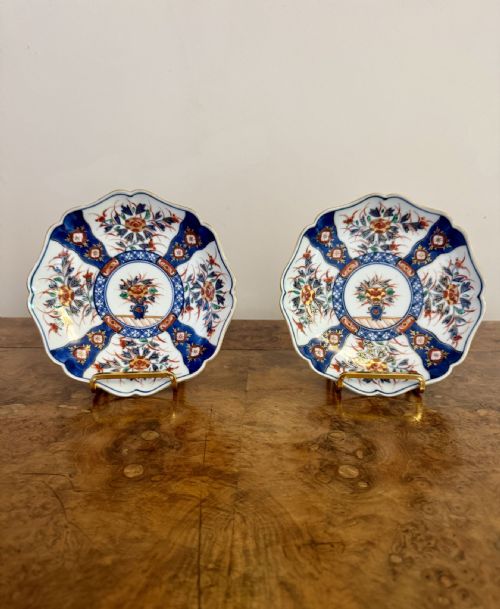
You will most frequently meet Japanese Imari examples dating around nineteen hundred, alongside earlier blue and white porcelain chargers. These items range from scalloped edge plates to unusual shaped cabinet plates, reflecting both daily utility and grand decorative display.
The objects originate from Japanese traditions encompassing the Edo period and Japanese Edo or Meiji classifications. Collectors find everything from single cabinet pieces to coordinated pairs and larger collections.
How They Were Made
Potters utilised porcelain bodies coated with glaze, applying cobalt underglaze and cobalt pigment to create rich blue and white designs. Artisans then built upon these foundations using enamel and gold leaf accents.
Techniques involved meticulous hand painting, capturing intricate motifs across chargers and plates. Craftsmen enhanced select surfaces with gilt details and cobalt glaze to achieve depth and contrast.
Listings feature porcelain bodies finished with cobalt underglaze, enamel, and gold leaf across the seventeenth, nineteenth, and early twentieth centuries.
What Varies in Quality
Quality rests in the precision of the hand-painted brushwork and the vibrancy of the applied enamel and gold leaf. Superior examples demonstrate confident cobalt underglaze lines and balanced compositions across the porcelain surface.
The refinement of the form itself also dictates distinction, particularly in scalloped edges or unusual shaped plates. Pieces exhibiting careful potting and harmonious integration of gilt accents stand apart from simpler production.
The Edo Style Ceramic Plates Glossary
- Imari
- A traditional style of Japanese porcelain originating from the town of Arita, known for its distinctive palette of blue, red, and gold. This style gained immense popularity in Europe during the Edo period.
- Charger
- A large decorative plate or platter utilised historically for formal dining presentation or display on sideboards. These substantial pieces showcase the pinnacle of kiln decoration.
- Cobalt Underglaze
- A blue pigment applied directly to the raw porcelain body before glazing and firing at high temperatures. This technique ensures the colour remains permanently sealed beneath the glossy surface.
- Scalloped Edge
- A decorative border shaped into a series of rhythmic, curved scallops rather than a simple straight circle. Potters achieved this effect while throwing or moulding the wet clay.
Edo Style Ceramic Plates: Frequently Asked Questions
How are edo style plates displayed?
These pieces suit placement on plate stands, inside cabinets, or mounted securely on walls to showcase their detailed surface patterns. Their generous size and bold palettes make them natural focal points in a room.
Historically, larger chargers were set upright on sideboards or dining tables as decorative showpieces rather than used for serving food. Today, living with them involves similar appreciation of their visual impact and historical craft.
What is Japanese Imari?
Japanese Imari refers to porcelain decorated in rich blue, red, and gold, named after the port from which these wares were shipped. This aesthetic defined much of the export market and domestic taste during the historical periods represented here.
The style relies on contrasting cobalt underglaze with vibrant enamel overlays and gold leaf details. Artisans filled every available space with floral, geometric, or narrative motifs.
How do I date these plates?
Dating relies on stylistic markers, potting characteristics, and the evolution of pigment use across the seventeenth century through to the early twentieth century. Blue and white porcelain pieces often point toward the earlier seventeenth-century traditions.
Later items from the transition into the Meiji era display characteristic shifts in enamel brightness and manufacturing precision. Comparing the handling of the glaze and cobalt pigment helps separate older works from subsequent revivals.
Can I use these for dining?
These historical items function primarily as decorative cabinet plates, chargers, and display dishes rather than everyday tableware. The presence of delicate enamel, gilt, and gold leaf requires gentle care to preserve the surface.
Hand washing with mild soap and avoiding abrasive materials ensures the historic decoration remains intact. Most owners prefer to exhibit them safely away from heavy kitchen use.