
Historical Portrait Oil Painting
When you encounter a historical portrait oil painting, you meet a record of a specific individual rendered in oil paint on canvas or wood.
Historical Portrait Oil Painting
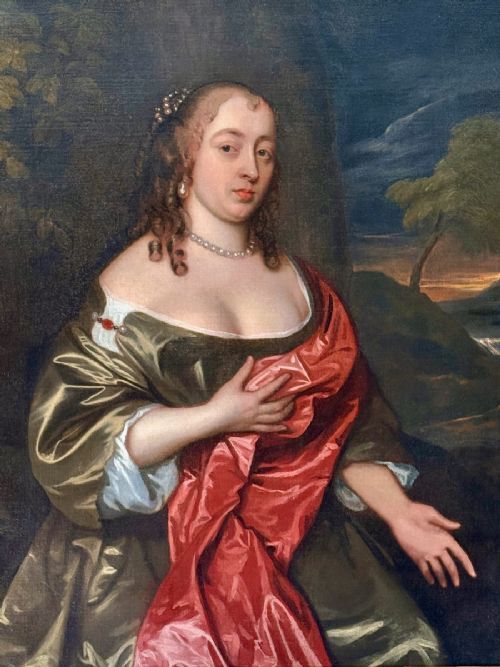
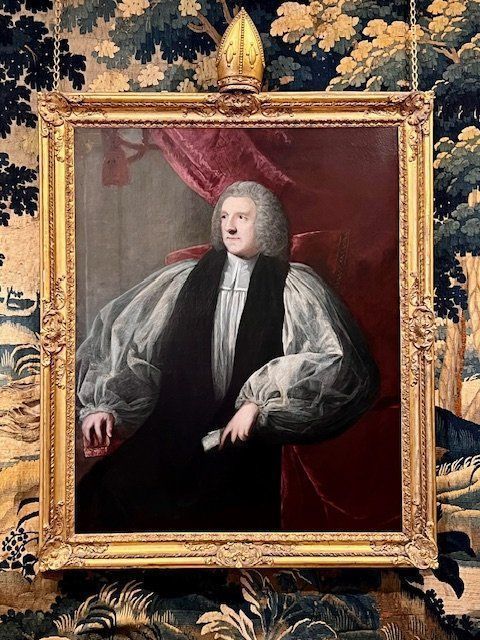
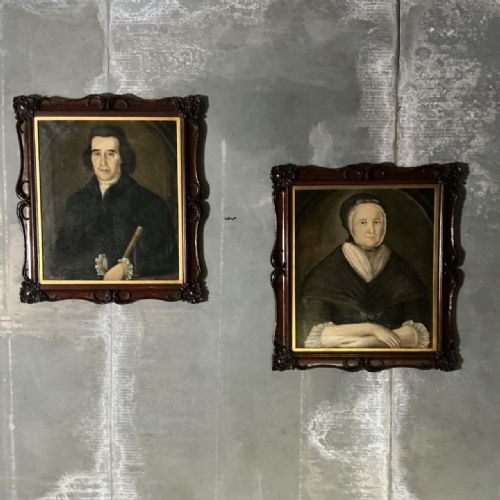
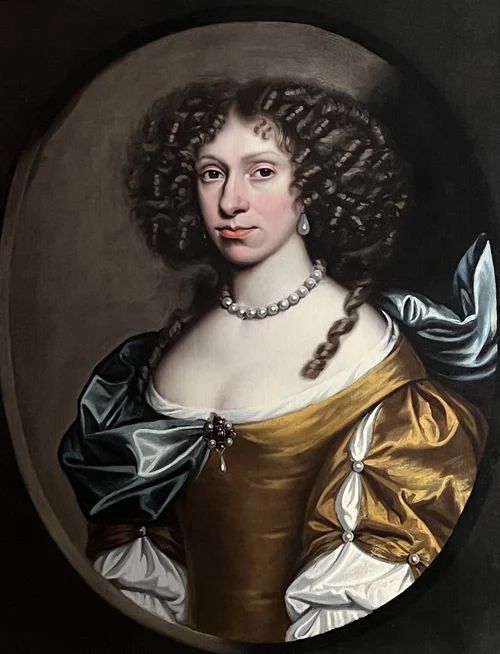
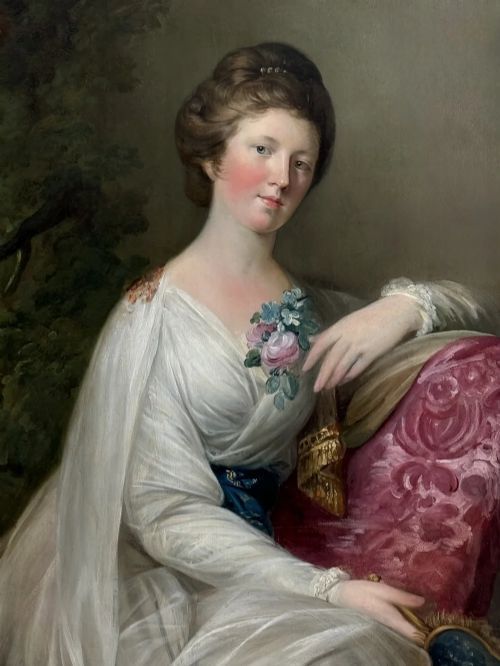
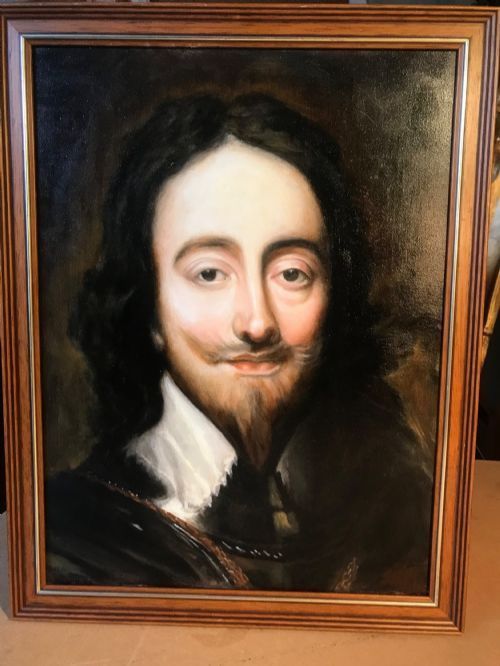
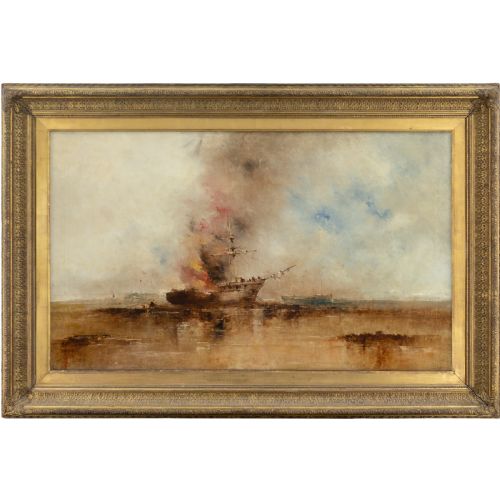
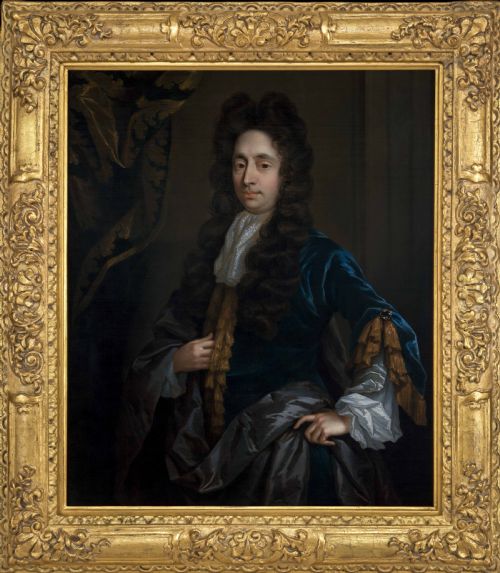
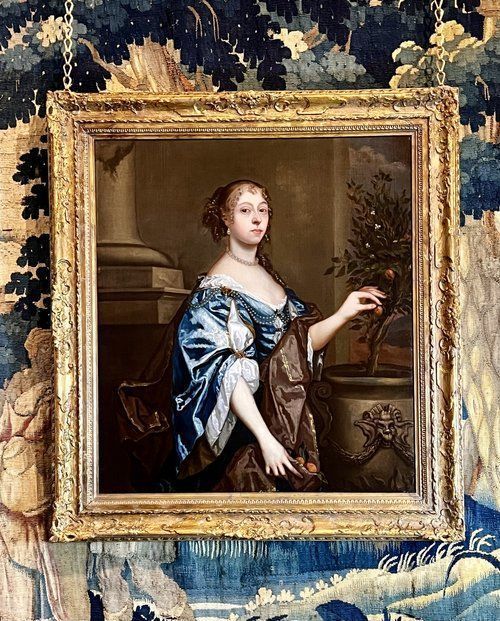
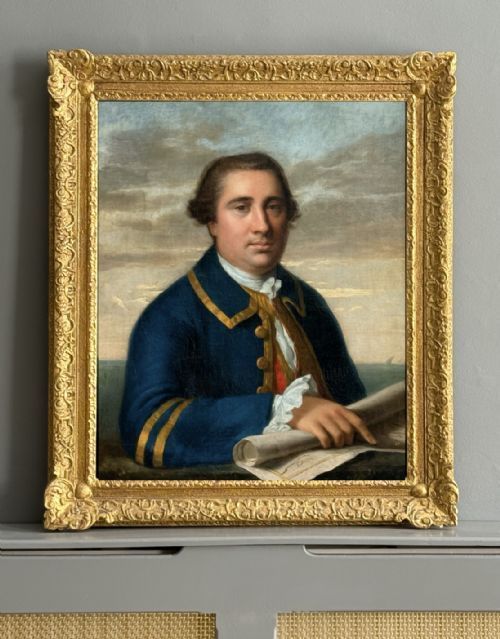
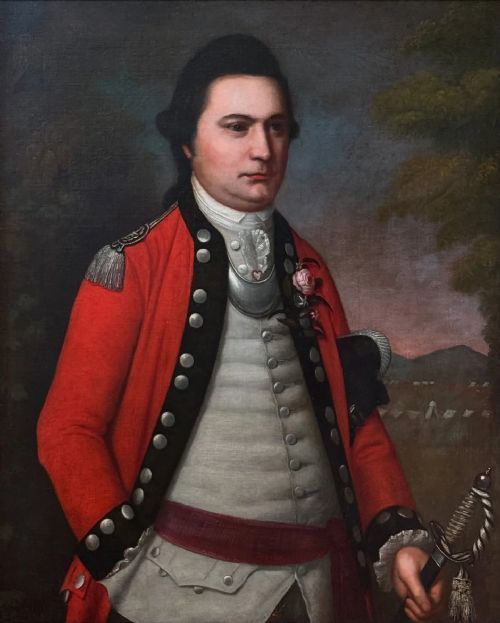
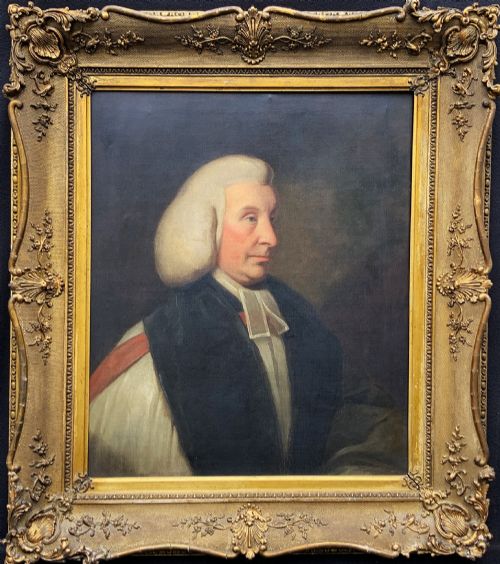
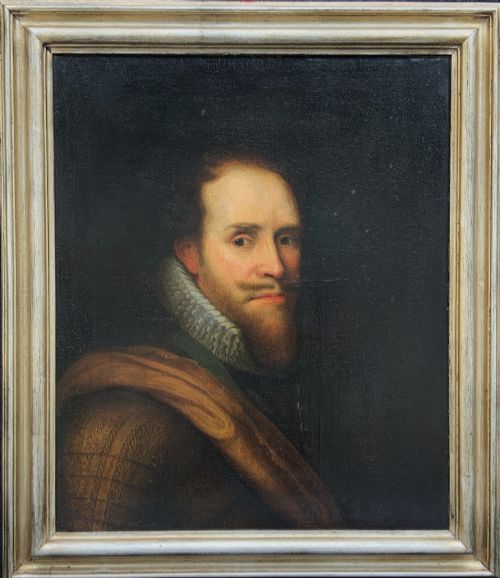
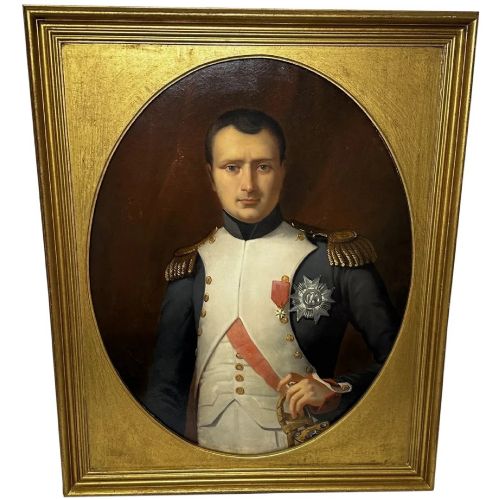
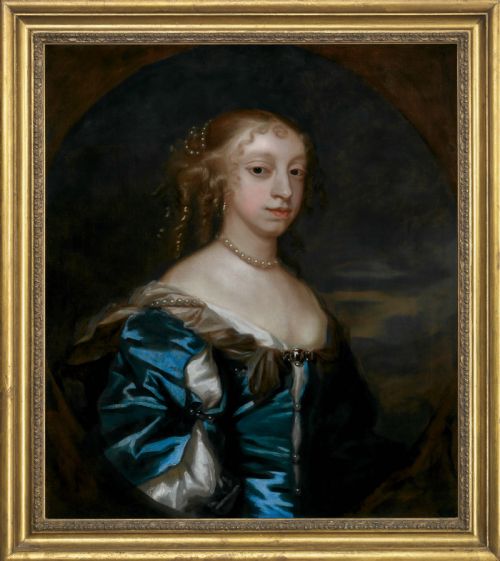
A historical portrait oil painting captures figures from the seventeenth, eighteenth, and nineteenth centuries, spanning Georgian, Victorian, and Baroque aesthetics. Buyers searching this phrase look for depictions of nobility, military officers, merchants, and gentlefolk rendered in oil on canvas or wood panels. The seventeenth-century Dutch and English school works appear frequently, alongside eighteenth-century canvas portraits from known studios.
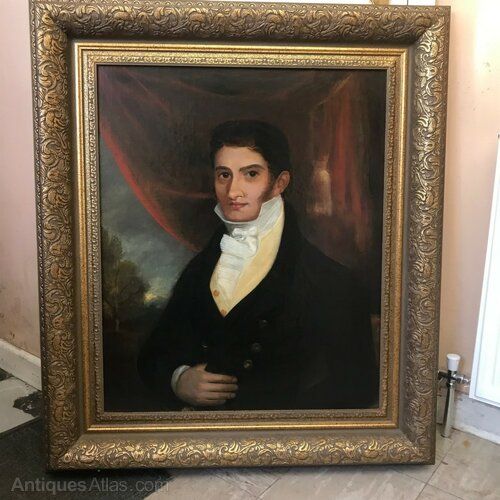
Subjects range from named historical figures and nobility to anonymous officers and ladies posed against landscapes or dark curtains. These canvases reflect the clothing, status, and artistic conventions of their respective periods, encompassing Regency and Jacobean styles. Many pieces originate from named artists, studio circles, or regional British and European schools.
Materials and technique
Artists applied oil paint using brushes onto prepared surfaces of woven canvas or solid wood panels. Canvases were stretched over wooden frames, whilst earlier works occasionally utilised wood panels as a rigid base. Frames often incorporated giltwood and gold leaf accents to complement the composition.
Historical Portrait Oil Painting Retail Price Guide 2026
Typical asking prices for historical portrait oil painting among the pieces listed under this phrase on Sellingantiques today, from the lower quarter to the upper quarter. They describe what is for sale here now, not the wider market.
Several portraits feature subjects clasping oranges, holding red sashes, or posing beside heavy theatrical curtains.
Quality variations
Quality rests in the anatomical precision of the hands and face, alongside the confident handling of fabric folds and accessories. Superior examples display subtle tonal graduation and lifelike character, whereas weaker studio work relies on rigid formulae and flat application.
The distinction between a master's hand, a studio output, and a regional follower dictates the standing of the work. Well-preserved surfaces retain original pigment vibrancy and canvas tension, whilst lesser examples suffer from heavy restoration or pigment darkening.
Sir Joshua Reynolds·Anthony Van Dyck·Sir Peter Lely·Allan Ramsay·Thomas Beach
The Historical Portrait Oil Painting Glossary
- Oil on Canvas
- Pigment mixed with drying oil applied to a woven fabric support. This combination allowed artists to create rich textures and subtle colour gradations.
- Giltwood
- Wood carved and covered with a thin layer of gold leaf or metallic powder. This material frequently frames historical portraits.
- Baroque
- An artistic style prevalent during the seventeenth century characterised by dramatic lighting and deep shadows. Portraiture from this period emphasises movement and rich costume detail.
- Studio of
- A designation indicating a work produced under the direct supervision or in the workshop of a master artist. Assistants often contributed to the execution under the master's guidance.
- Panel
- A flat piece of wood used as a rigid painting support before canvas became standard. Earlier portraits frequently utilised oak or other timber boards.
Historical Portrait Oil Painting: Frequently Asked Questions
How can I date a historical portrait?
Dating relies heavily on the subject's costume, including the cut of the coat, ruff, or doublet, alongside the hairstyle and framing conventions of the period.
Written inscriptions, artist signatures, and canvas stamps also provide secure chronological markers when available.
What is an after van dyck painting?
An 'after' designation means the work is a later copy or reproduction of a composition originally created by the named master.
These pieces allowed owners to display desirable portraits when the original was unattainable.
Where should I hang an oil portrait?
These paintings require stable wall spaces away from direct sunlight, high humidity, and rapid temperature fluctuations to protect the canvas and oil pigments.
Traditional rooms with neutral wall colours and directed picture lighting suit the dark tones typical of seventeenth and eighteenth-century palettes.
What does studio of mean?
This attribution indicates the painting originated in the active workshop of a prominent artist, likely involving assistants working to the master's standards.
Such works carry the stylistic authority of the principal painter without bearing their individual signature.