

High Back Fireside Chair
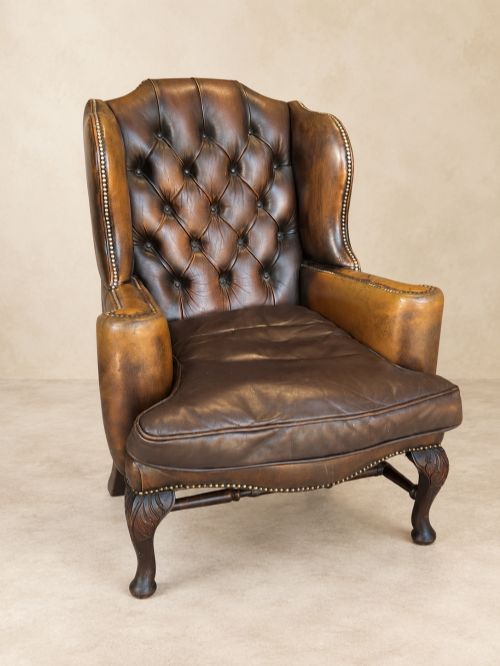
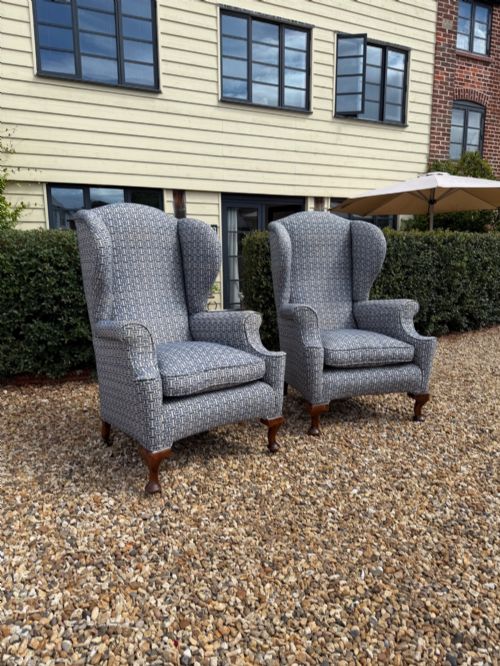
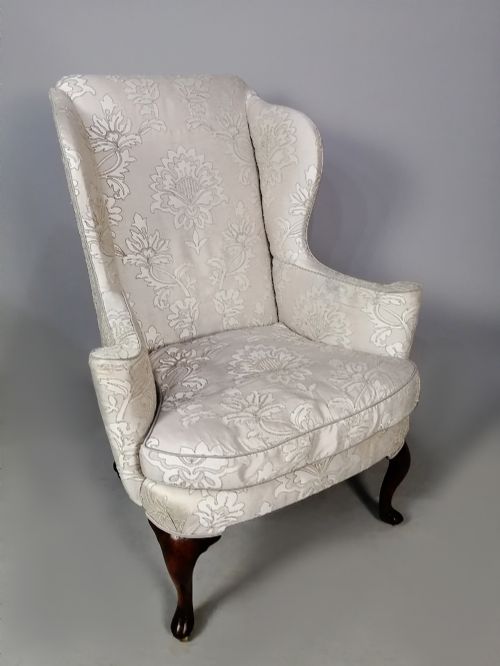
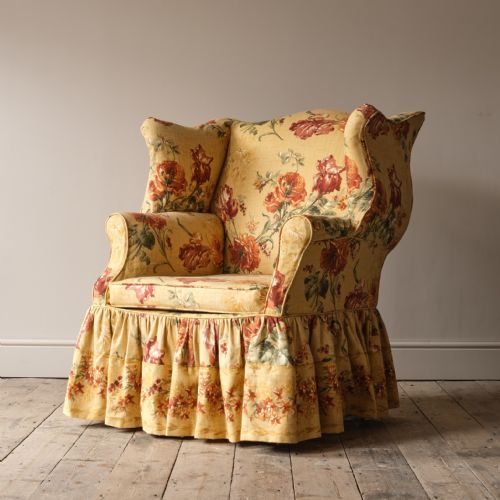
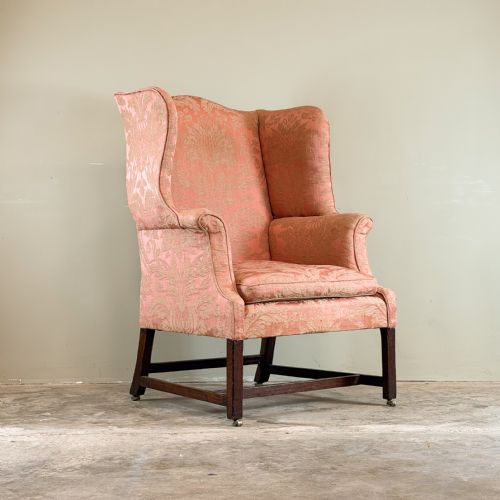
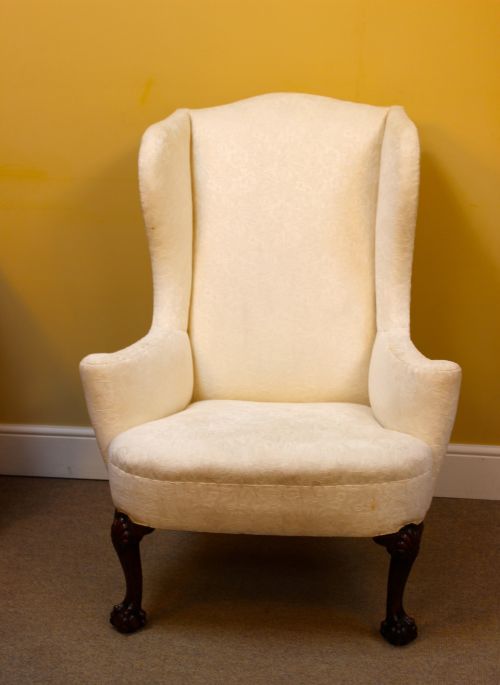
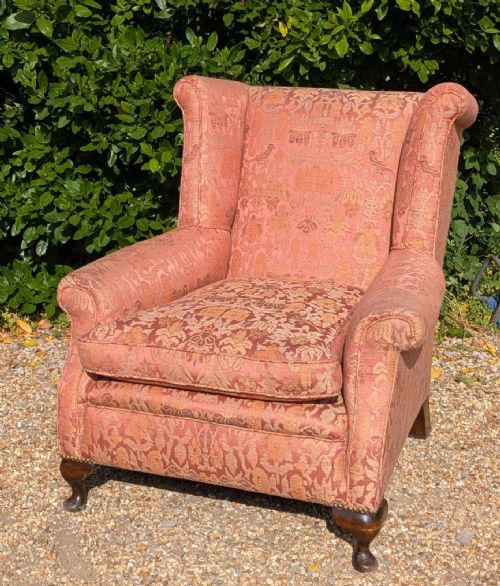
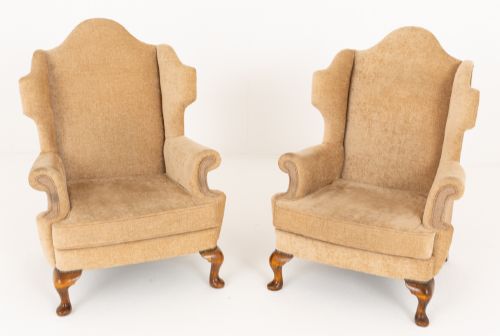
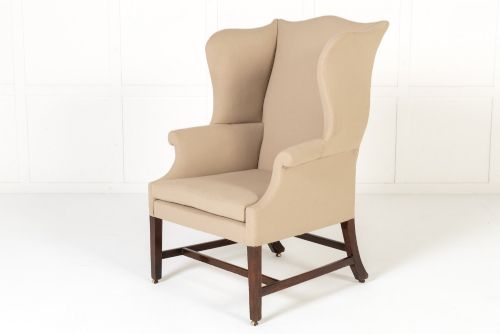
A high back fireside chair brings deep wings and substantial timber support directly to the hearth, offering shelter from drafts.
High Back Fireside Chair
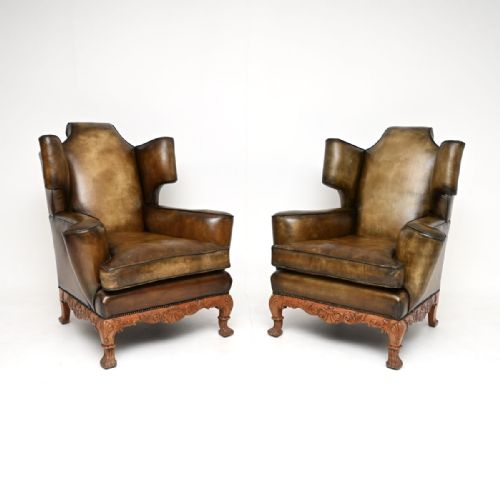
A high back fireside chair is designed to trap warmth around the head and shoulders while seating the user close to an open hearth. The selection spans robust country house forms, Windsor designs, and formal upholstered armchairs.
Examples on this page draw from the eighteenth, nineteenth, and early twentieth centuries, encompassing Georgian styles alongside vernacular country pieces in ash, elm, and pine. Winged forms predominate, constructed to block cold air currents effectively.
Makers often utilised traditional joinery to frame deep seats and high backs, creating functional seating intended for long winter evenings. Buyers encounter both thoroughly restored upholstered pieces and earlier frameworks suited for custom recovering.
Materials and construction
Cabinet makers built the structural frames of these chairs using hardwoods such as mahogany, walnut, oak, and ash, complemented by country timbers like elm and pine for vernacular settle and Windsor forms. Joinery relied on mortise and tenon joints to withstand the heavy loads placed upon high back supports.
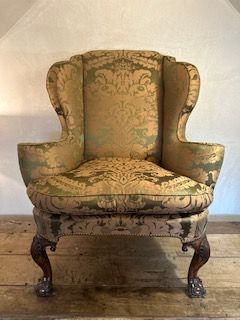
Upholstered variants incorporated webbing, horsehair stuffing, and feather fillings secured within shaped wing frameworks, later topped in leather, velvet, damask, or woven wool. Wood surfaces received traditional wax or polish finishes to highlight the natural grain of the walnut and mahogany.
High Back Fireside Chair Retail Price Guide 2026
Typical asking prices for high back fireside chair among the pieces listed under this phrase on Sellingantiques today, from the lower quarter to the upper quarter. They describe what is for sale here now, not the wider market.
Early reading chairs often featured integrated candle sconces or fold-out writing ledges so studious occupants could work by the warmth of the fire.
Distinctions in quality
The integrity of the original wooden frame dictates the baseline quality, with heavier proportions and precise carving separating superior Georgian and Victorian examples from simpler regional variants. Undamaged timber frames retaining their original blocking and corner braces command greater respect among collectors.
Upholstery execution and the retention of period stuffing materials determine the secondary tier of refinement, where hand-stitched horsehair edges and supportive spring systems distinguish master workshops from standard commercial production.
Howard And Sons
The High Back Fireside Chair Glossary
- Wingback
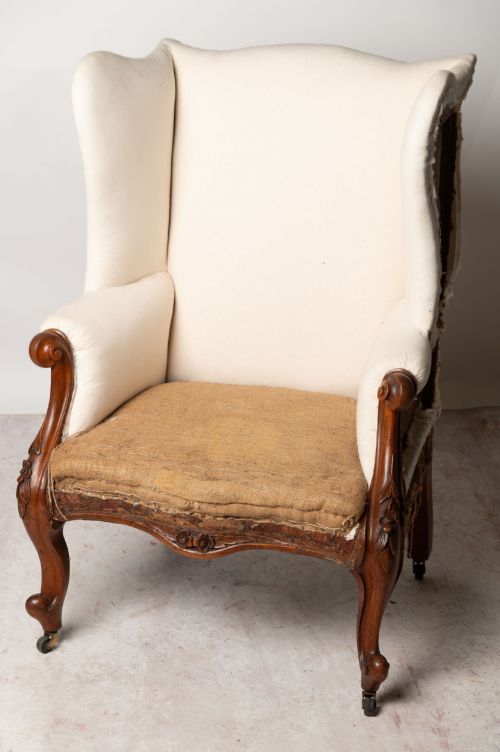
- An upholstered chair featuring characteristic side panels attached to the arms to deflect drafts toward the seated occupant. These wings also served to retain radiant heat from an open fire.
- Settle
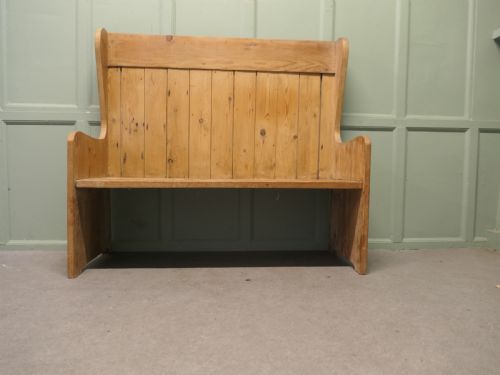
- A wooden wooden bench featuring a high solid back and enclosed arms designed to keep out floor drafts in country cottages and public houses. They often include integrated box storage beneath the seat.
- Windsor
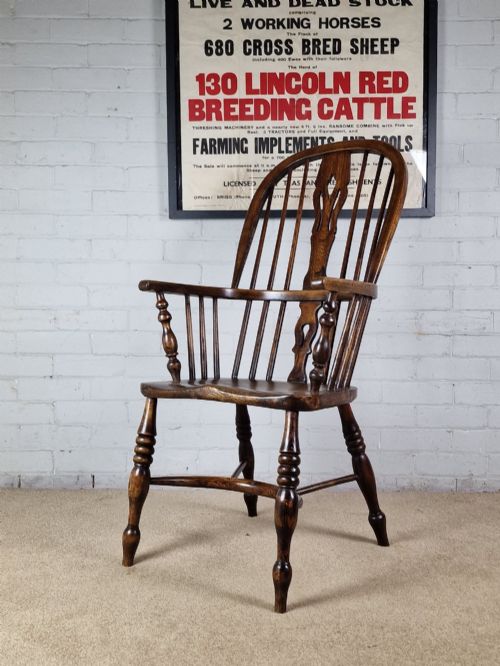
- A chair built with a solid wooden seat into which the legs and back spindles are wedged directly. Regional variations include high back comb backs and reading chairs.
- Carolean
- A seventeenth-century revival style notable for ornate scrollwork, turned legs, and rich carved crest rails. Pieces in this manner reflect restoration-era luxury.
- Barrel back
- A seating form where the back and arms curve continuously in a semicircular enclosure. This design provides maximum insulation against cold room temperatures.
High Back Fireside Chair: Frequently Asked Questions
How do I identify a Georgian wing chair?
Georgian examples display authentic proportions, hand-cut joinery, and timber species consistent with the eighteenth century, such as dense mahogany or walnut. Look for structural framing methods typical of the period before industrial manufacturing took hold.
Examine the rake of the legs and the shaping of the wings, which were proportioned to balance comfort with architectural dignity. Later revival pieces often copy these lines but betray their date through standardised internal framing.
Were these chairs used only by the fireplace?
Their primary function was indeed to shield the occupant from cold drafts near open hearths, as high backs trapped heat around the head and shoulders. The wings acted as physical barriers against sweeping air currents in large, poorly insulated rooms.
Over time, these comfortable seats migrated to libraries and drawing rooms for reading and conversation. Their supportive design made them natural reading chairs long after central heating reduced the need for hearth protection.
What is the difference between a wingback and a Windsor?
A wingback is an upholstered armchair with padded sides and fabric or leather covering over a hardwood frame. It prioritises soft cushioning and thermal insulation around the upper body.
A Windsor is constructed entirely of wood with a solid sculpted seat and turned spindles forming the backrest. These vernacular country chairs rely on shaped timber rather than padding for structural support.
How should I care for antique leather upholstery?
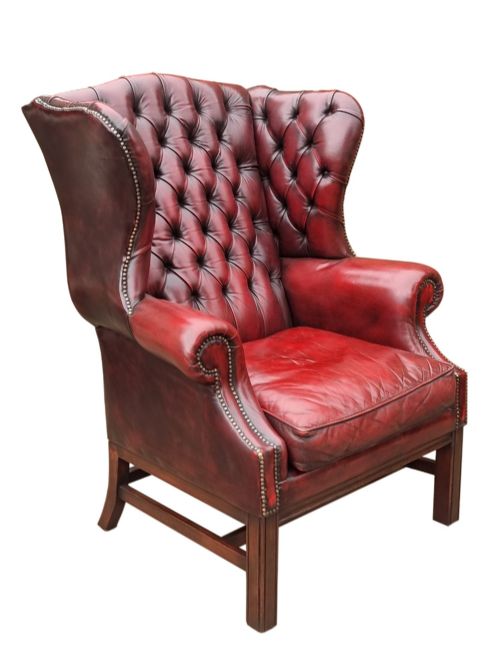
Antique leather requires gentle cleaning with damp cloths and regular application of specialised conservation waxes to prevent drying and cracking. Avoid modern chemical cleaners that strip natural oils from nineteenth-century hides.
Keep the chair away from direct sunlight and heat sources like radiators to preserve the suppleness of the leather. Proper climate control prevents the underlying wooden frame and stuffing from warping or shrinking.