

Walnut Framed Armchair
When you select a walnut framed armchair, you acquire a substantial timber-structured seat spanning periods from the Victorian era to the early twentieth century.
Walnut Framed Armchair
A walnut framed armchair encompasses a diverse array of seating designed for parlours, libraries and bedrooms across the nineteenth and early twentieth centuries.
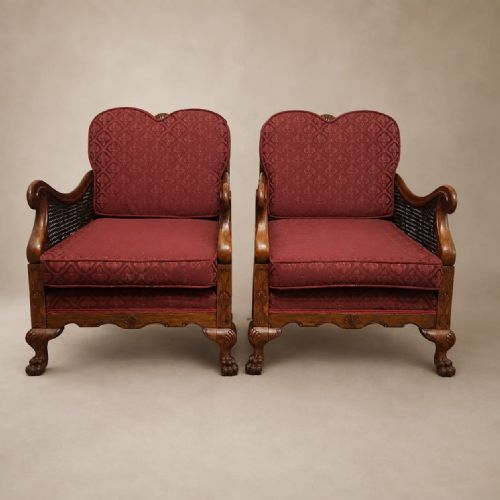
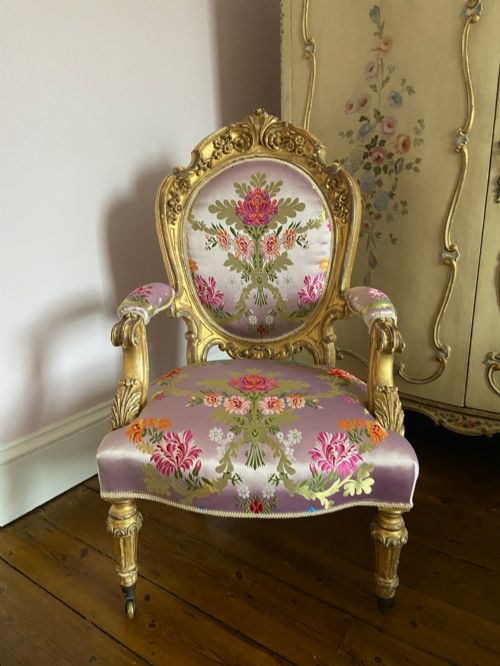
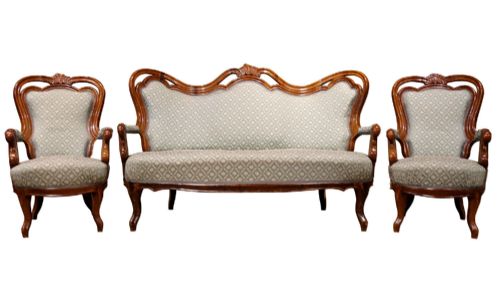
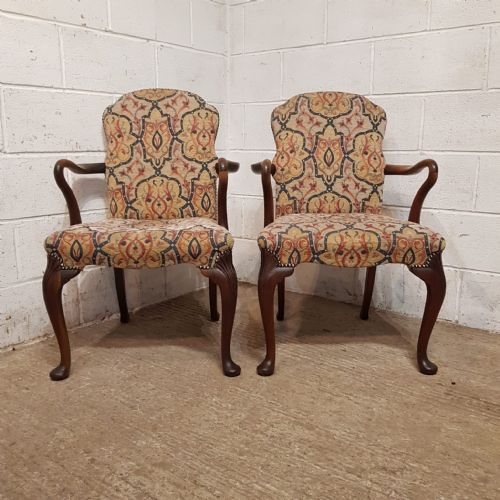
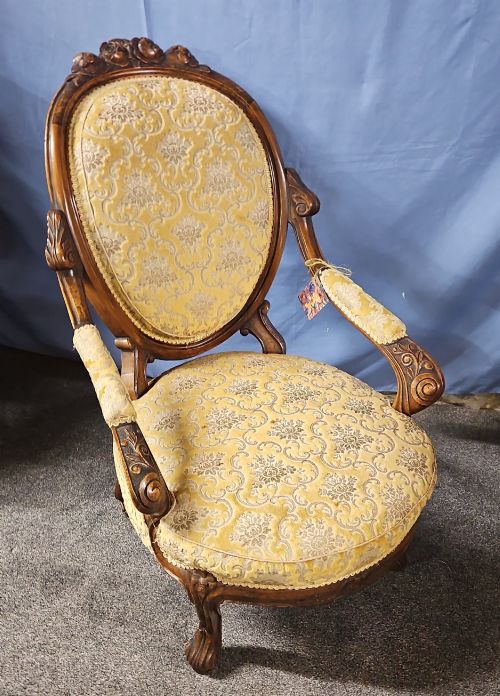
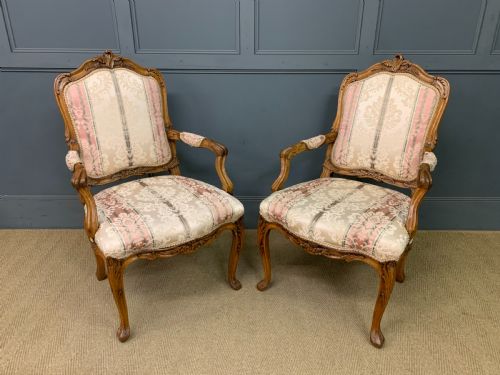
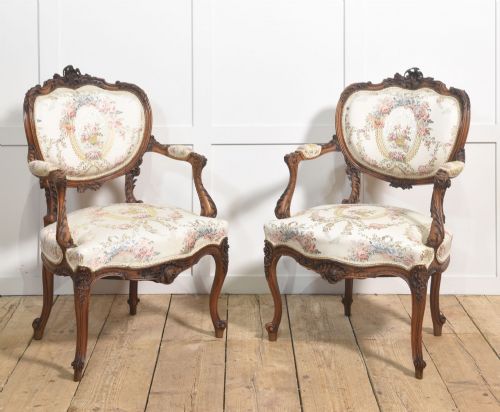
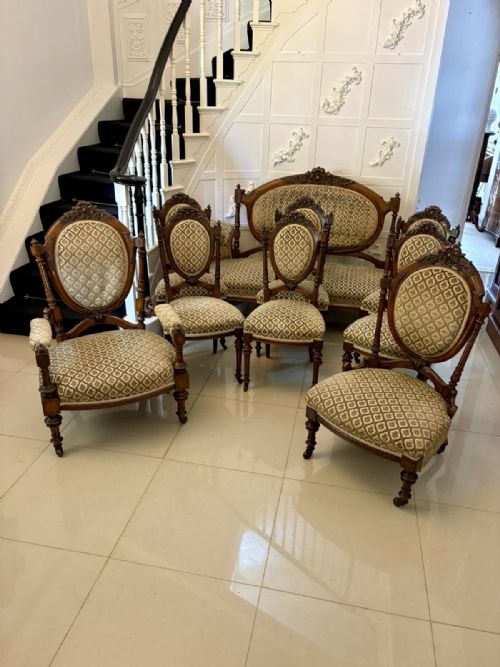
Buyers most frequently encounter Victorian open armchairs, library chairs and French revival fauteuils featuring exposed timber frames alongside upholstered components.
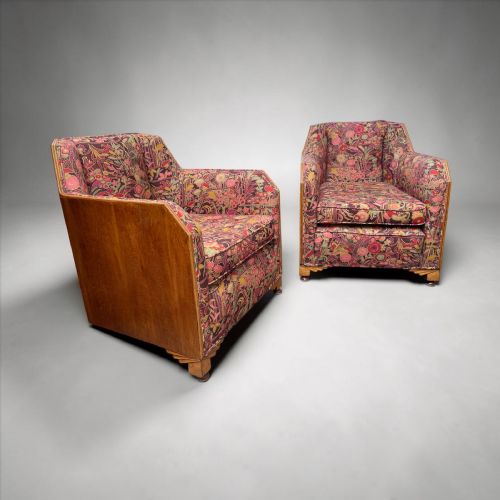
The selection ranges from robust early Victorian fireside models to lighter Edwardian and Art Deco interpretations.
Materials and construction
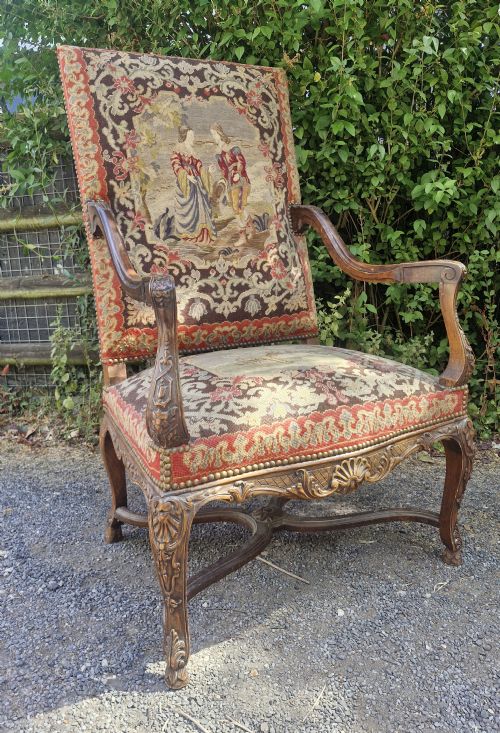
Makers utilised solid walnut for the exposed structural frames, often carving scrolls, cabriole legs or barley twist members directly into the timber.
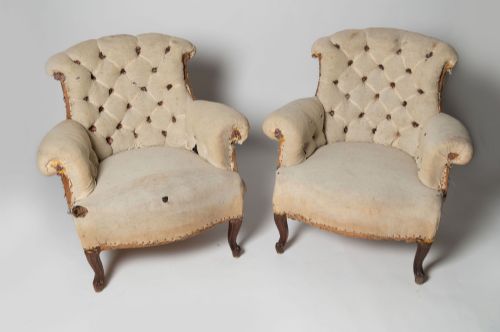
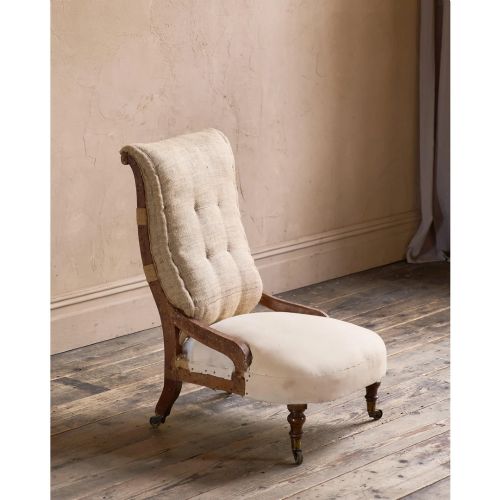
Upholstery techniques combined traditional horsehair and webbing with supportive hessian, cotton and spring interiors.
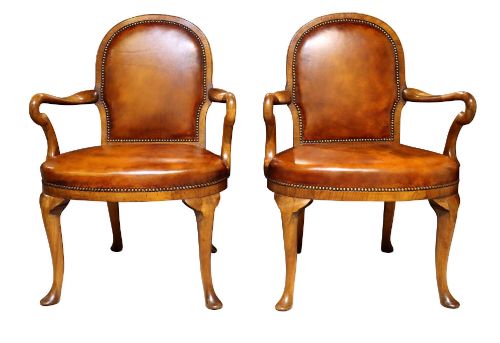
Finish layers frequently integrated supplementary textiles including velvet, needlework tapestry, silk, leather and split cane panels.
Walnut Framed Armchair Retail Price Guide 2026
Typical asking prices for walnut framed armchair among the pieces listed under this phrase on Sellingantiques today, from the lower quarter to the upper quarter. They describe what is for sale here now, not the wider market.
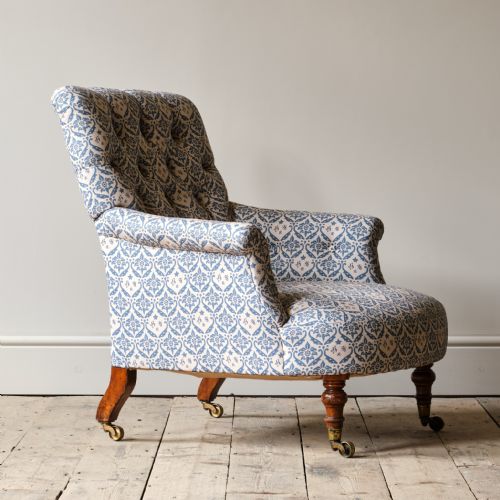
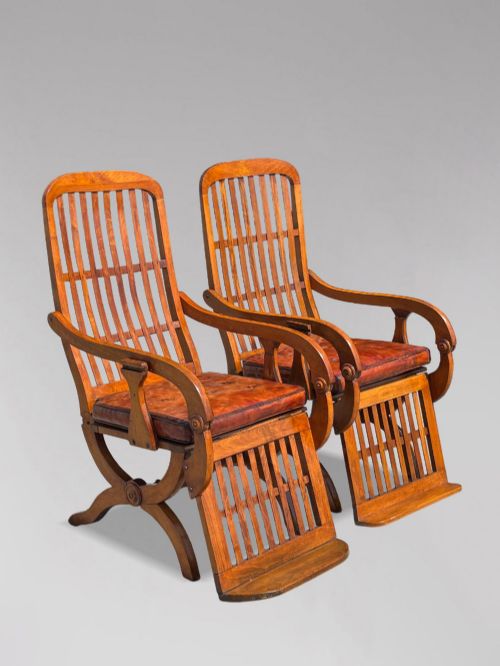
Several armchairs incorporate clever reclining mechanisms alongside traditional spindle-turned bobbin and barley twist frames.
Assessing the craftsmanship
Superior examples demonstrate crisp, deep hand-carving in the walnut timber and robust joinery that maintains structural rigidity over generations.
The choice of upholstery materials and the precision of hand-stitched needlework or buttoning reflect the original workshop investment.
Proportion and decorative restraint distinguish standard utilitarian seating from exhibition quality pieces designed for principal reception rooms.
Howard And Sons
The Walnut Framed Armchair Glossary
- Fauteuil
- An open-armed French armchair with an exposed wooden frame and upholstered back and seat. These pieces often follow stylistic revivals such as Louis XV and Louis XVI.
- Bergere
- An enclosed upholstered armchair with wooden framing where the sides are typically filled with cane work. This French style gained popularity in various forms during the nineteenth and early twentieth centuries.
- Tub armchair
- A comfortable seat with a continuous curved back and arms forming a rounded enclosure. This form appears frequently in Victorian and Edwardian domestic settings.
- Spoon back
- A padded chair back shaped subtly like the bowl of a spoon to support the human spine. This characteristic profile is common in mid-Victorian parlor seating.
- Wing chair
- A high-backed fireside chair featuring protective side panels designed to shield the occupant from draughts. These pieces often exhibit scrolling walnut arms and generous proportions.
Walnut Framed Armchair: Frequently Asked Questions
How do I identify a Victorian armchair?
Victorian walnut armchairs generally display darker timber tones, dense carving, and sprung upholstery designed for deep comfort. Look for characteristic silhouettes like button backs and balloon shapes.
Construction details such as hand-turned legs and traditional joinery methods further anchor these pieces securely within the nineteenth century.
Are these chairs suitable for daily use?
Most walnut framed armchairs remain structurally robust for regular domestic seating provided the internal webbing and joints have been properly maintained. Their sturdy timber frames were built for enduring utility.
Placing them away from direct heat sources helps preserve the walnut timber and prevents the original or replacement upholstery from drying out.
What is a French style fauteuil?
A fauteuil is an open-arm chair featuring padded armrests and an exposed wooden frame, typically walnut in these examples. They originate from classic French furniture traditions.
Craftsmen often carved these frames with subtle floral motifs or curved cabriole legs matching Louis XV and Louis XVI design revivals.
How should I care for walnut wood?
Maintaining walnut furniture involves dusting regularly with a soft cloth and occasionally applying suitable beeswax to nourish the timber grain. Avoid using abrasive chemical cleaners.
Keeping the chairs out of direct sunlight prevents the rich walnut colour from fading unevenly across the exposed wooden frame.