

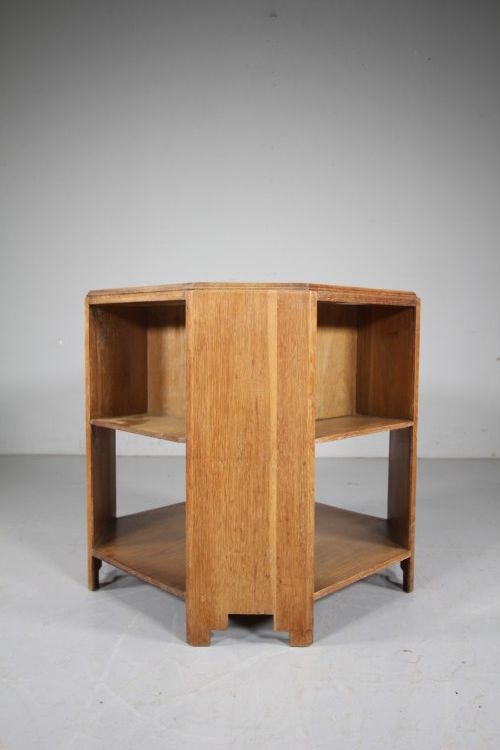


Hexagonal Lamp Table
A hexagonal lamp table brings a disciplined geometry to a room, offering a functional surface that fits neatly into awkward corners.
Hexagonal Lamp Table
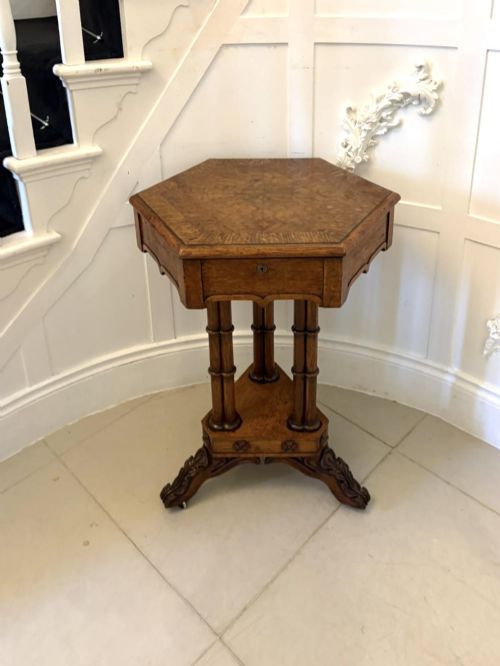
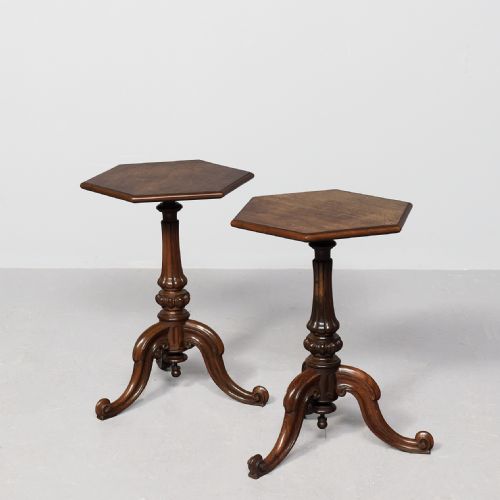
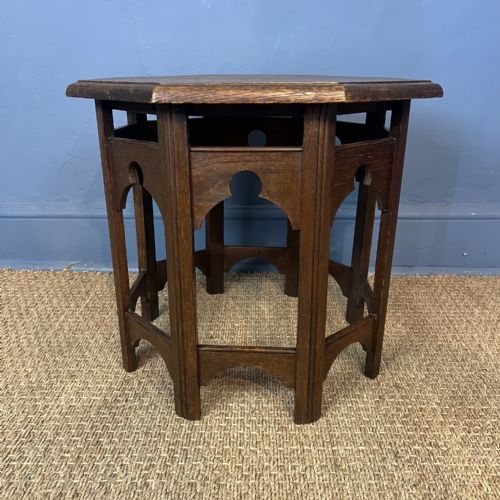
A hexagonal lamp table provides a compact surface for lighting and display, featuring a distinctive six-sided top that sets it apart from standard round or square occasional tables. When searching for a hexagonal lamp table, buyers encounter a diverse selection ranging from Victorian walnut and mahogany pieces to Arts and Crafts oak designs.
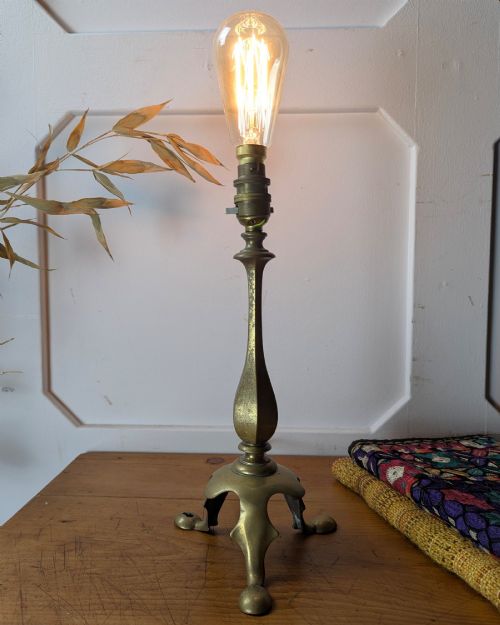
The evidence shows these small tables appearing across the nineteenth and early twentieth centuries, spanning periods from Victorian and Edwardian to Art Deco. Alongside timber occasional tables, the listings include brass lamp bases sharing the same six-sided form, reflecting how makers applied the geometry to both furniture and lighting.
Makers utilised rich hardwoods and occasionally incorporated marble tops or marquetry inlays to elevate the surface. These pieces often served as plant stands, vase pedestals, or bedside supports, fulfilling a need for versatile small furniture in period interiors.
Assessing quality and craftsmanship
Quality in these pieces rests upon the selection of timber and the crispness of the joinery around the six-sided top. Tables featuring figured woods like pollard oak or intricate marquetry display a higher level of cabinet-making skill than plain utility pieces.
The integration of decorative elements, such as gilded brass galleries, marble inserts, or hand-carved bases, distinguishes finer examples. For metal lamp bases, the weight of the casting and the precision of the hexagonal baluster form indicate superior manufacture.
Listings feature oak, mahogany, walnut, rosewood, and brass, spanning the Victorian era through the Arts and Crafts and Art Deco periods.
Heals·Liberty·Muller Bros·W.A.S Benson
The Hexagonal Lamp Table Glossary
- Hexagonal
- Having six sides and six angles. This geometry defines both the tabletops and the specific lamp bases found in the collection.
- Occasional table
- A small, movable table designed for specific, intermittent use rather than central placement. These pieces often function as lamp stands or display surfaces.
- Marquetry
- Decorative inlay work using various coloured woods to create patterns on a surface. It appears on walnut tabletops to add visual texture.
- Gallerie
- A low raised rim or railing around the edge of a tabletop, frequently made of brass. It prevents items from sliding off the surface.
- Baluster
- A moulded shaft or post with a swelled shape, used here in the form of hexagonal lamp stems. This architectural detail gives vertical support and visual weight.
Hexagonal Lamp Table: Frequently Asked Questions
What is a hexagonal lamp table?
A hexagonal lamp table is a small piece of furniture with a six-sided top, originally designed to hold lighting or display decorative objects.
These compact tables fit easily into corners or beside seating, combining practical surface area with distinctive geometric lines.
How were these tables used originally?
In period homes, these tables served as convenient spots for oil lamps, reading materials, or decorative vases.
Their modest footprint made them adaptable for parlours, drawing rooms, and hallways where larger furniture would obstruct movement.
How do I style a hexagonal table today?
A hexagonal lamp table works effectively as a bedside stand or an accent piece next to an armchair.
Because the six-sided shape draws the eye, keeping the surface styling simple allows the geometry of the timber or brass to remain the focal point.
How can I tell the period of a table?
Dating relies on observing the timber species, construction methods, and stylistic cues such as turned legs or carved details.
Victorian and Edwardian examples often display heavier timbers and traditional joinery, while later Arts and Crafts or Art Deco pieces reflect simpler lines or geometric ornamentation.