

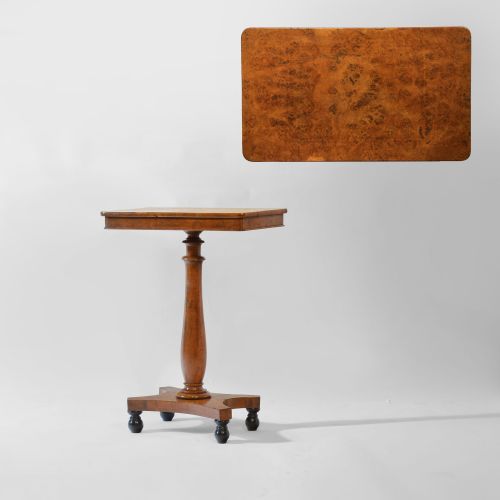


Pollard Oak Side Table
A pollard oak side table brings rich, knotty timber and striking figuring to a room, offering both practical surface space and distinct historic character.
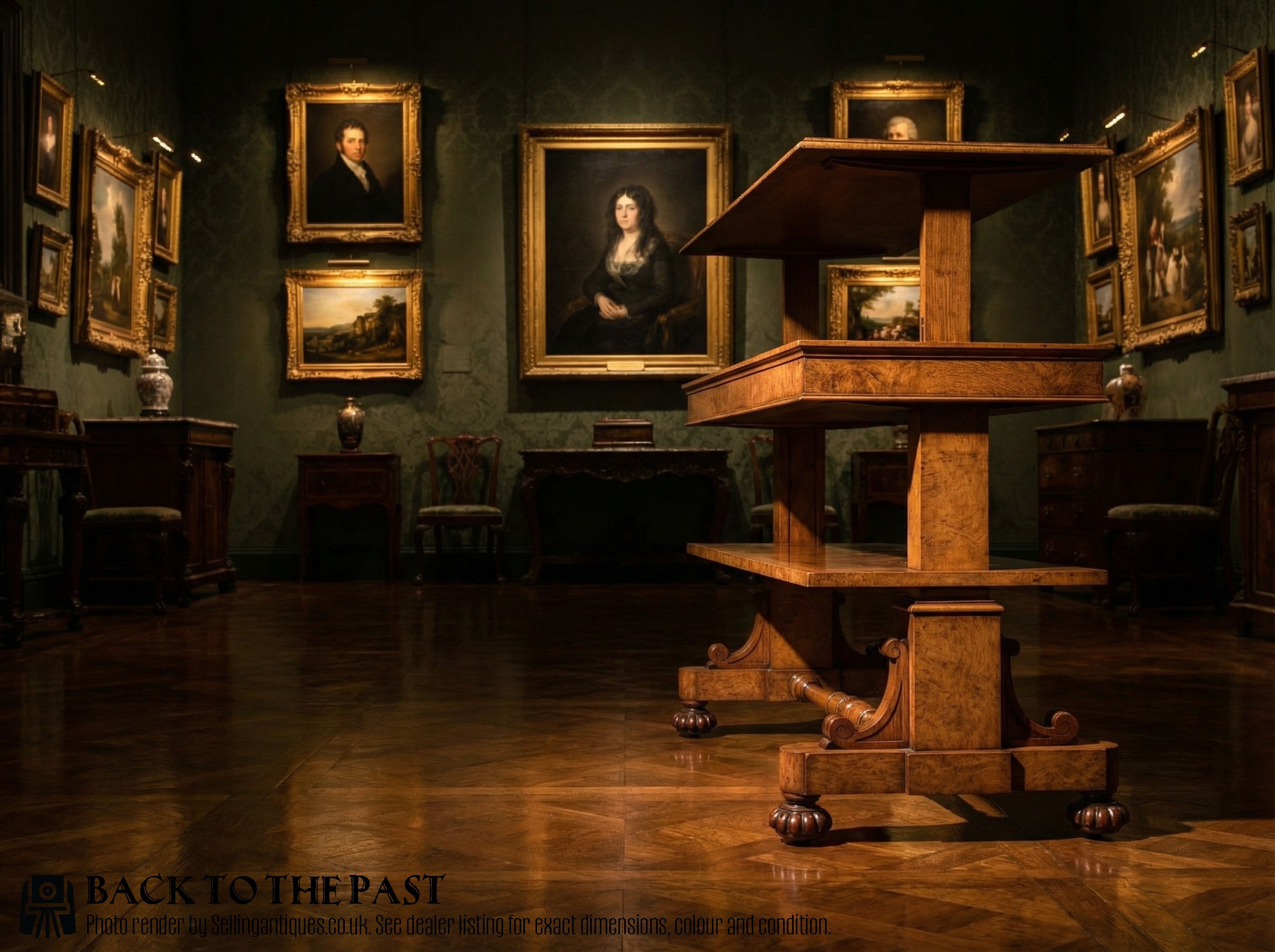
Pollard Oak Side Table
A pollard oak side table is a piece of furniture defined by its distinctive timber, featuring dense clusters of knots where branches were once lopped. These tables appear across several periods, most commonly taking forms from the Regency and Victorian eras, alongside earlier Georgian and eighteenth-century examples. The selection includes various occasional forms, writing tables, and work tables alongside traditional side tables.
Buyers encountering this page will most frequently meet pieces from the nineteenth century, spanning Regency, George IV, and William IV styles. Alongside standard side tables, the inventory incorporates drop leaf variants, centre tables, and occasional tripod tables. These items demonstrate the persistent appeal of figured timber across diverse domestic uses.
Origins vary, with regional pieces reflecting British craftsmanship from English, Welsh, and Scottish workshops. The tables range from compact occasional furniture to more substantial console and writing tables incorporating brass, giltwood, or fabric elements. Each piece showcases the characteristic grain pattern of pollard or burr oak in different structural formats.
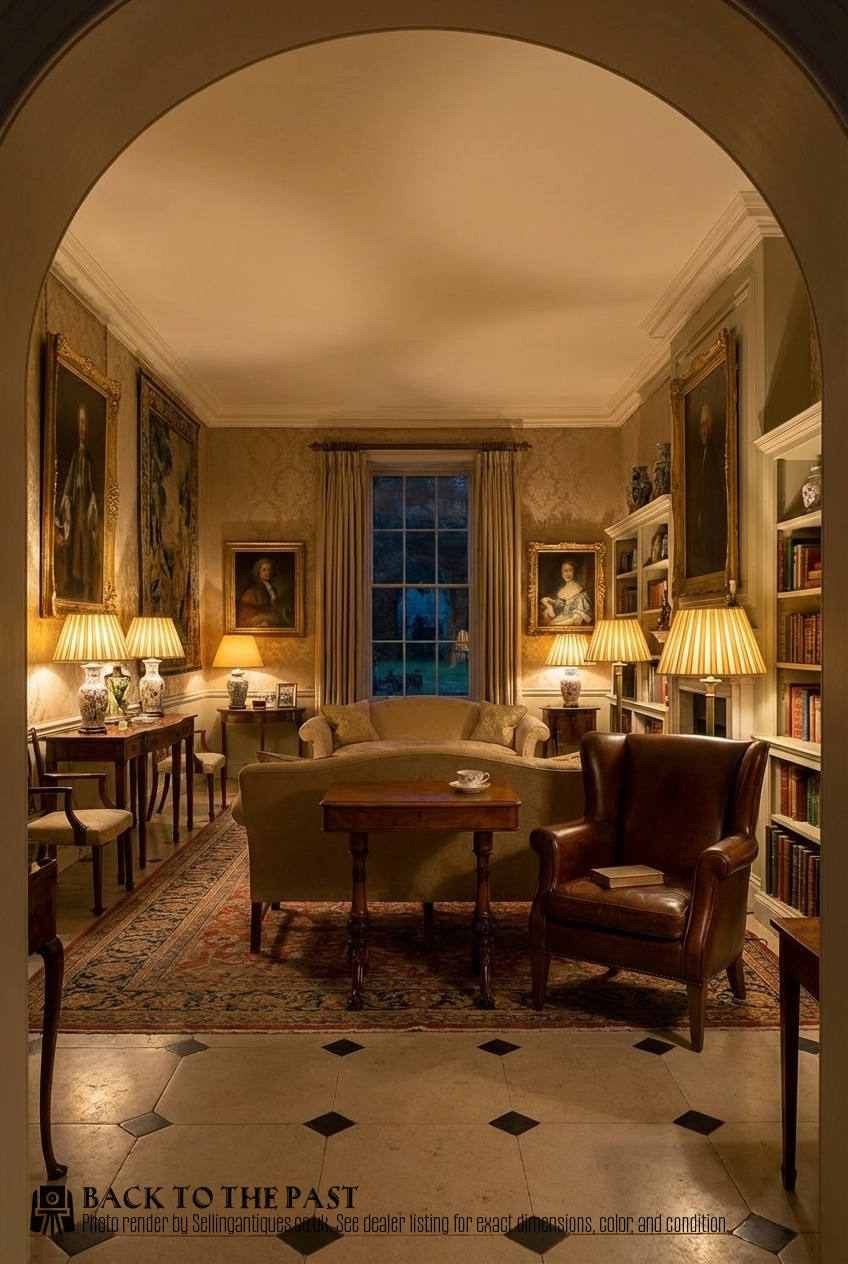
How they were made
Cabinet makers utilised pollard oak veneers applied to a stable underlying wood base, carefully arranging the natural knot formations to create decorative patterns. This timber technique required precise cutting and laying of the figured wood to achieve balanced surfaces on table tops and drop leaves.
Structural elements frequently incorporated solid oak alongside the veneers, while auxiliary materials such as brass fittings and giltwood details appeared on select Regency and Victorian pieces. Construction methods varied from tripod bases with carved supports to pillar and platform designs on heavier work and writing tables.
Pollard Oak Side Table Retail Price Guide 2026
Typical asking prices for pollard oak side table among the pieces listed under this phrase on Sellingantiques today, from the lower quarter to the upper quarter. They describe what is for sale here now, not the wider market.
Every knot in pollard oak is a tree's memory of being pollarded by an anxious forester centuries ago.
What varies in quality
Quality in a pollard oak side table rests upon the visual impact and arrangement of the timber figuring across the surface. Finer examples display symmetrical, densely packed knot clusters that catch the light, whereas lesser pieces show sparse or uneven grain patterns.
The sophistication of the joinery and the integration of secondary materials such as giltwood or brass also distinguish different tiers of manufacture. Well-executed execution in the veneering and the stability of the underlying structure mark out superior cabinet work from standard production.
Boothroyd Sons & Rimmer
The Pollard Oak Side Table Glossary
- Pollard oak
- Timber taken from trees that were cut back close to the trunk to encourage dense branch growth. This pruning creates the characteristic clustered knots and swirling grain patterns prized by furniture makers.
- Veneer
- A thin layer of figured wood applied to a base material. In these tables, pollard oak veneer creates decorative surfaces while utilising more stable underlying timbers.
- Drop leaf
- A table top with hinged flaps that fold down to save space. Several examples in this category feature these moveable sides for flexible placement.
- Tripod base
- A support structure featuring three legs radiating from a central pillar. This form appears frequently on nineteenth-century occasional and card tables.
- Console table
- A table designed to stand against a wall, sometimes fixed in place. These pieces often incorporate decorative giltwood or substantial proportions.
Pollard Oak Side Table: Frequently Asked Questions
What is pollard oak?
Pollard oak comes from trees that were periodically cut back to the trunk to stimulate dense, bushy branch growth. This pruning process results in wood packed with small, tight knots and highly decorative figuring.
Cabinet makers sliced this timber into veneers to decorate the tops of tables and desks, creating patterns that contrast sharply with straight-grained oak.
How do I style a side table?
A side table works well placed against a wall in a hallway, sitting room, or landing. The distinctive grain of pollard oak allows the piece to serve as a visual focal point.
Keep surface items minimal to let the natural timber pattern remain visible. Pair the table with a simple lamp or ceramic piece that complements the historic character.
How do I date a table?
Dating relies on observing the overall style, construction methods, and secondary materials used in the piece. Regency and George IV examples often feature classical proportions, carved bases, and occasional giltwood accents.
Victorian pieces tend to show heavier proportions or different leg configurations. Comparing the table to documented examples helps narrow down the period of manufacture.
Are these tables solid wood?
Most pollard oak tables use timber veneers applied over a secondary wood base rather than being carved from solid pollard oak. This technique prevented warping and allowed makers to display the best knot formations on large flat surfaces.
Solid oak was typically reserved for the structural framing, legs, and interior parts of drawers.