
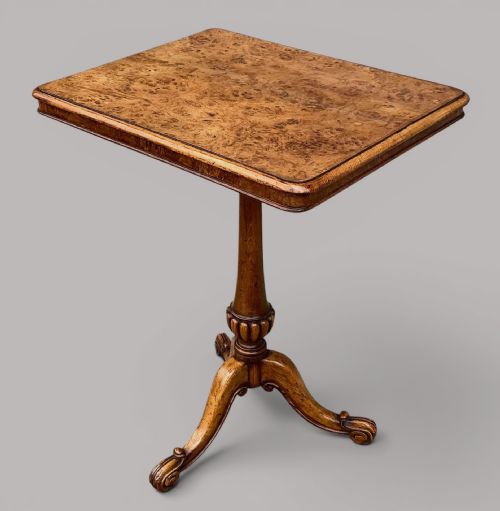


Golden Oak Occasional Table
A golden oak occasional table brings warmth and utility to any room, offering versatile surface space with rich timber grain.
Golden Oak Occasional Table
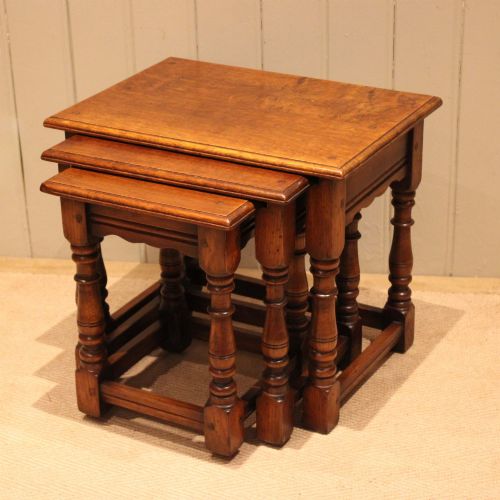
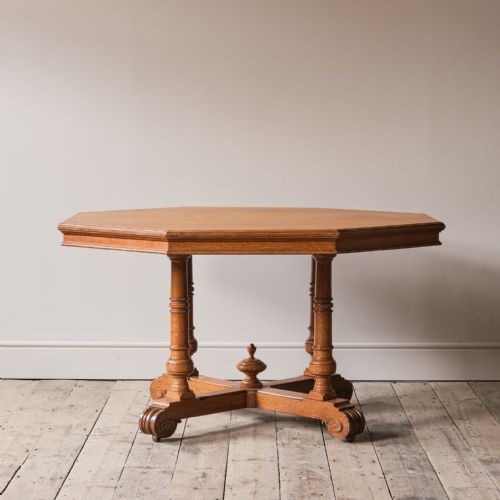
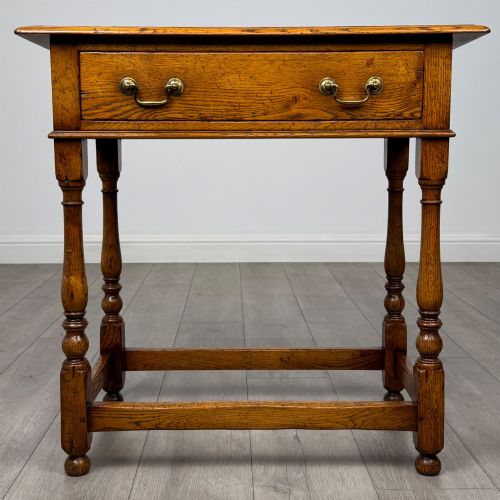
A golden oak occasional table encompasses a variety of compact freestanding furniture pieces designed for everyday use around the home. When searching for a golden oak occasional table, buyers encounter forms ranging from side tables and nests of three tables to tripod lamp tables and octagonal centre tables.
The selection includes pieces spanning the Victorian and Edwardian eras, alongside Regency examples and items from the 1920s and 1930s. Styles stretch from English Country and Arts and Crafts to Art Nouveau, Jacobean Revival, and Art Deco.
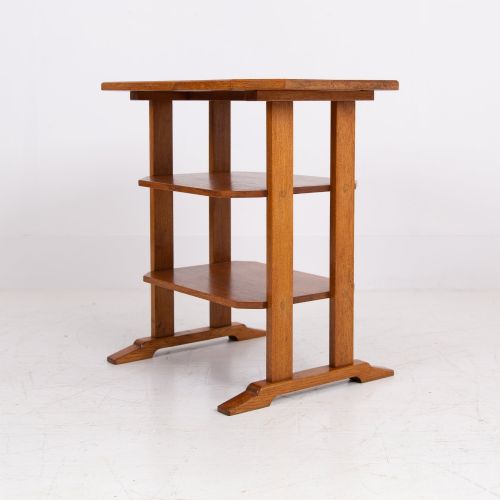
Buyers are most likely to meet sturdy side tables and two-tier gallery tables displaying the characteristic warm hue of figured, burr, or solid oak. These pieces served diverse domestic functions, from holding lamps to displaying ornaments in the reception rooms of the period.
Materials and Construction
Makers utilised solid oak, burr oak, figured oak, and pollard oak to achieve varied and visually striking timber surfaces. Veneer was also applied skilfully over secondary woods to highlight complex grain patterns.
Brass fittings appeared frequently on these tables, used for gallery rails, handles, or castors that added functional detail. Construction methods combined traditional joinery with turned supports and tripod bases depending on the specific period style.
Some tables double as tiny gates, proving that baby gatelegs were the original fold-away furniture hack for tight Victorian spaces.
Factors That Distinguish Quality
The distinction between standard and superior pieces rests upon the selection of timber, where highly figured, burr, or pollard oak elevates the visual appeal significantly above plain planking. Finer craftsmanship manifests in crisp carved detailing, particularly within Arts and Crafts or late Victorian examples.
Structural integrity and the retention of original brass hardware or gallery rails separate carefully preserved tables from heavily altered items. The sophistication of the design, whether a simple English Country gateleg or a refined Cotswold School three-tier side table, dictates the relative standing of each piece.
The Golden Oak Occasional Table Glossary
- Burr oak
- A timber growth on an oak tree that produces intricate, swirling grain patterns highly prized for decorative table tops.
- Occasional table
- A small, movable table designed for a specific, intermittent domestic use such as holding a lamp or book.
- Pollard oak
- Timber taken from a tree that has been pollarded, resulting in dense clusters of growth rings and distinctive figuring.
- Gallery table
- A small table featuring a raised rim or pierced brass rail around the top edge to prevent items from sliding off.
- Tripod table
- A freestanding table supported by a central pillar resting on three separate feet.
Golden Oak Occasional Table: Frequently Asked Questions
What is a golden oak occasional table used for?
These versatile tables were traditionally placed in sitting rooms and hallways to hold decorative items, reading lamps, or tea services.
Today, they function well beside armchairs or sofas as convenient surfaces for drinks and contemporary lighting.
How do I identify an Edwardian golden oak table?
Edwardian examples often feature lighter golden tones and display influences from the Arts and Crafts movement or Art Nouveau.
Look for refined proportions, two-tier designs with gallery rails, and simpler turned supports compared to heavy Victorian pieces.
Are these tables made of solid wood?
Many examples utilise solid oak throughout the top, legs, and framing, while others employ carefully applied veneers over secondary timbers.
Figured and burr oak veneers were frequently used on table tops to showcase decorative grain patterns while maintaining structural stability.
How do I care for antique oak furniture?
Maintain the timber by keeping tables away from direct heat sources and sudden changes in humidity that can affect the wood.
Apply traditional beeswax periodically to nourish the surface and preserve the warm golden sheen of the oak.