

Small Oak Plant Stand
A small oak plant stand brings practical timber framing and surface utility to corners, displaying greenery or lamps across Edwardian and Victorian interiors.
Small Oak Plant Stand
A small oak plant stand serves as a compact surface for foliage or decorative objects, utilising minimal floor space in domestic rooms. Buyers seek these pieces for their sturdy timber construction and versatile compact footprints.
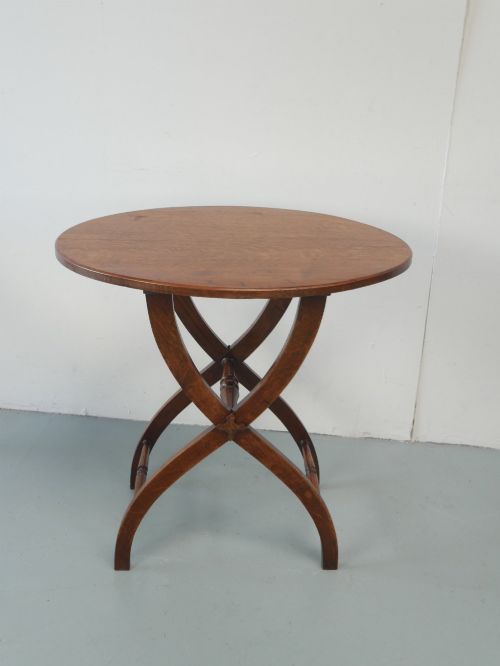
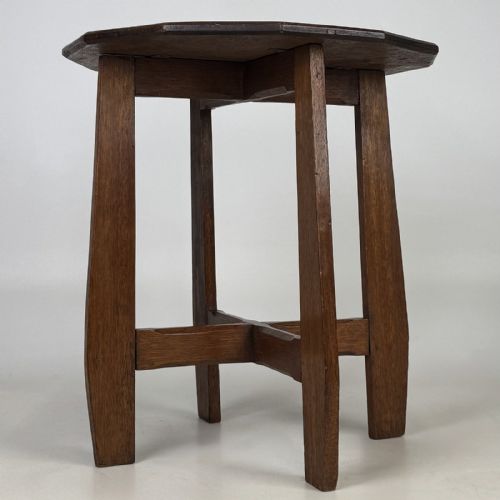
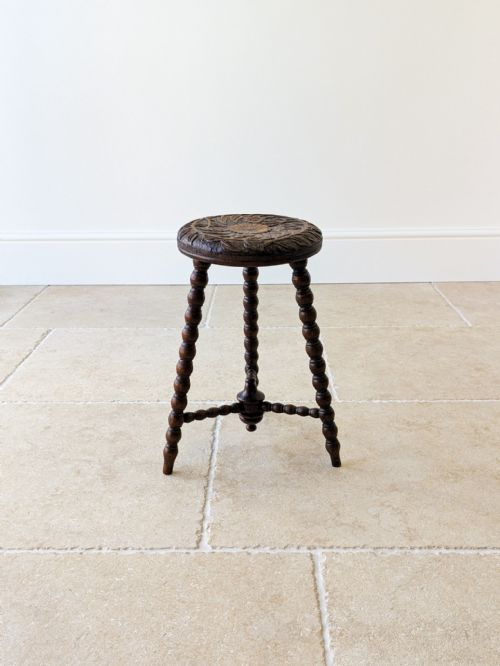
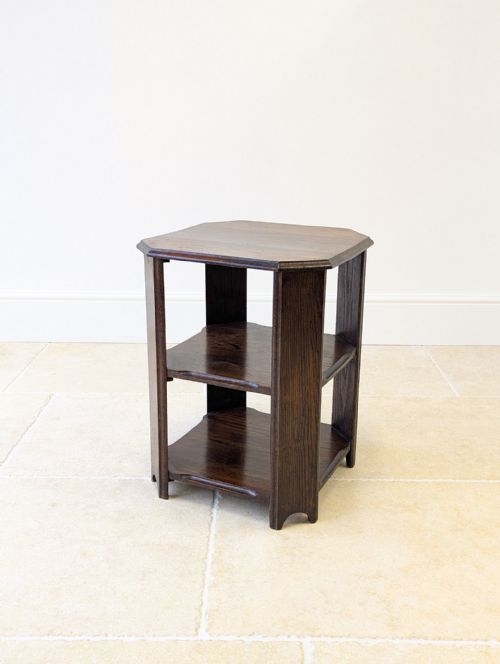
The selection centres on Edwardian and Victorian designs, alongside items from the nineteen-twenties and nineteen-thirty periods. Forms vary from tripod bases and octagonal tops to two-tier stands and occasional tables.
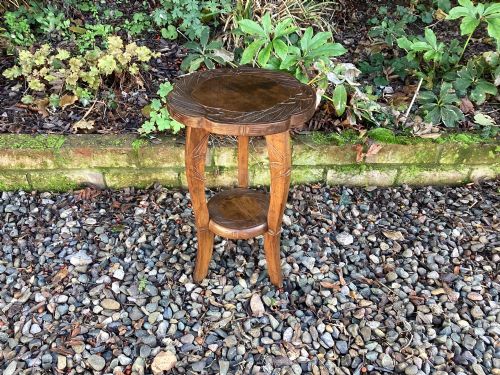
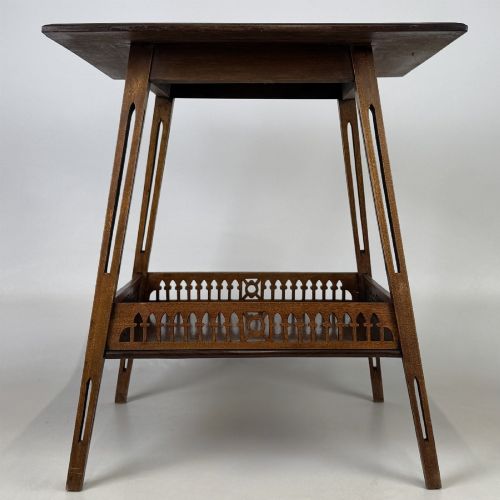
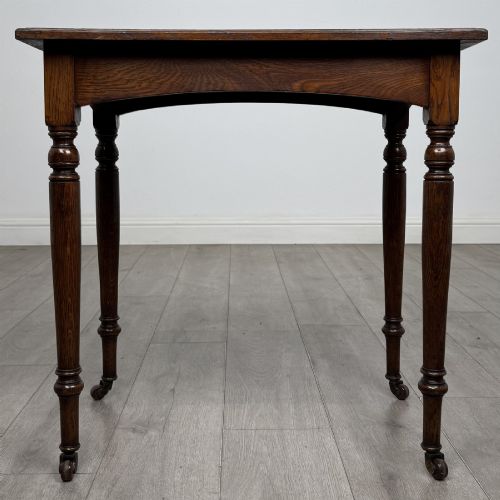
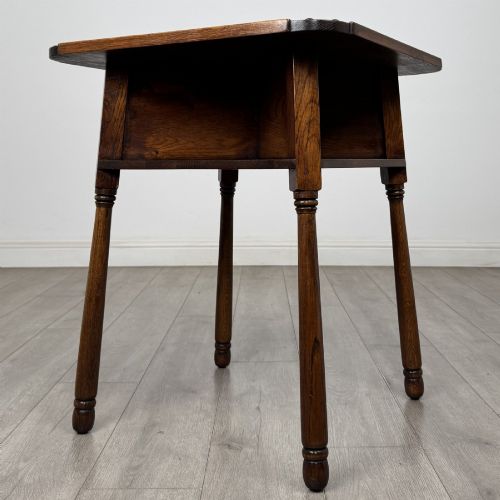
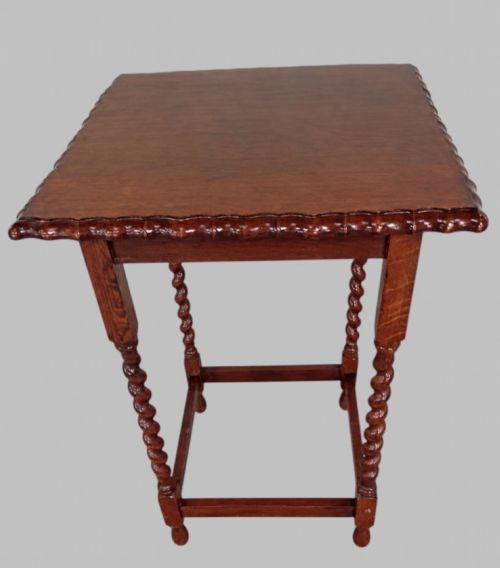
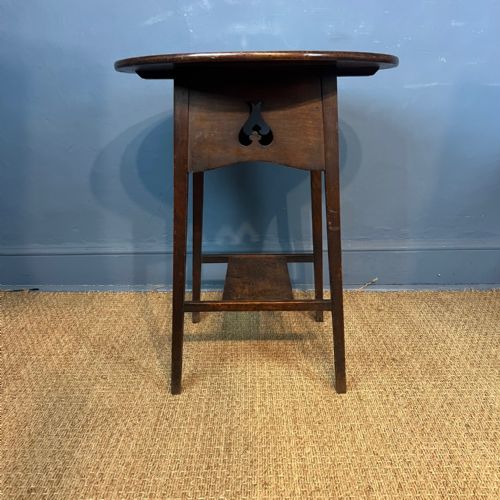
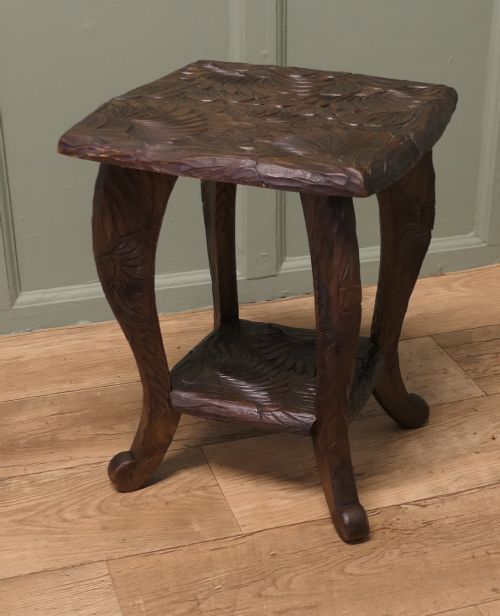
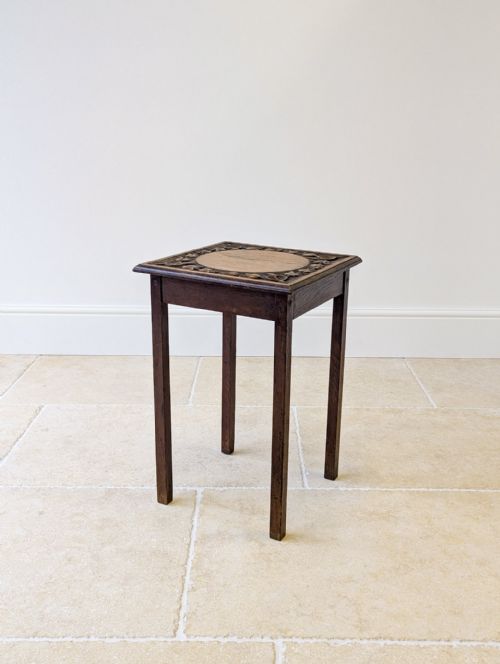
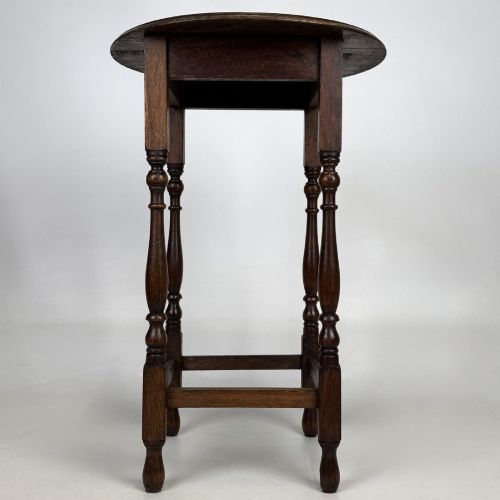
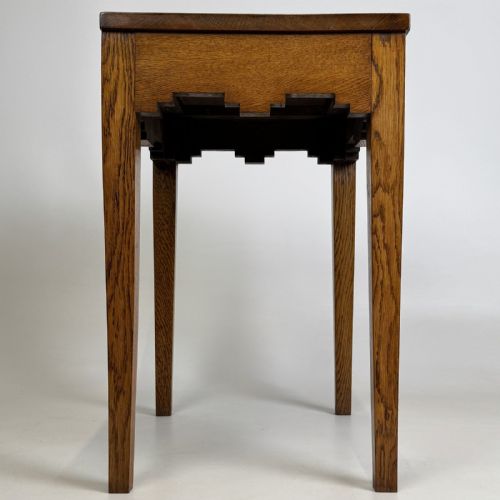
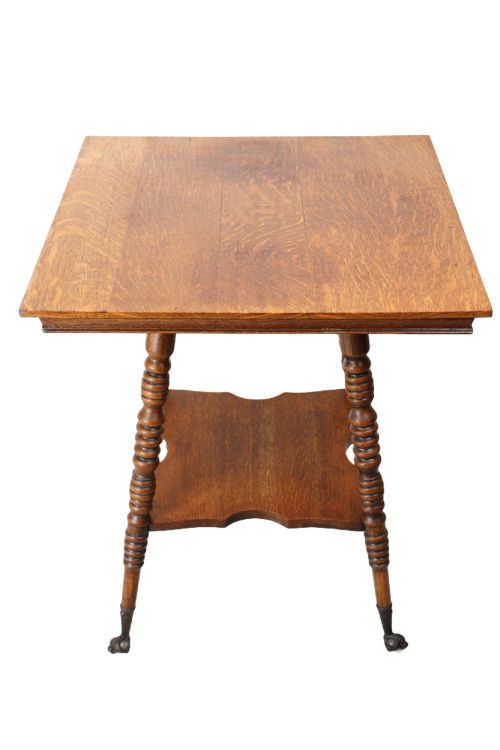
Makers often applied Arts and Crafts principles, Jacobean revival motifs, or Gothic revival styling to these smaller tables. Examples frequently appear with circular, square, or triangular tops supported by carved or turned legs.
Quality variations
Distinction across the range depends upon the crispness of hand-carving and the rigidity of the frame joints. Superior examples exhibit deliberate proportions and thoughtful execution of decorative motifs rather than mass-produced simplicity.
The choice of secondary materials, such as undamaged glazed ceramic tiles or quality brass mounts, elevates specific pieces above standard utilitarian tables. Timber selection also matters, with dense solid oak commanding greater regard than softer stained woods.
Small Oak Plant Stand Retail Price Guide 2026
Typical asking prices for small oak plant stand among the pieces listed under this phrase on Sellingantiques today, from the lower quarter to the upper quarter. They describe what is for sale here now, not the wider market.
Listings feature periods from the nineteenth century up through the Edwardian era, nineteen-twenties, and nineteen-thirties, using solid oak, ceramic tile, and brass.
Shapland & Petter·Baillie Scott
The Small Oak Plant Stand Glossary
- Arts and Crafts
- A design movement valuing handcraftsmanship and simple forms over industrial mass production. This style influences many pieces on this page.
- Tripod base
- A support structure utilising three legs attached to a central column or tabletop. It provides stable placement on uneven floors.
- Barley twist
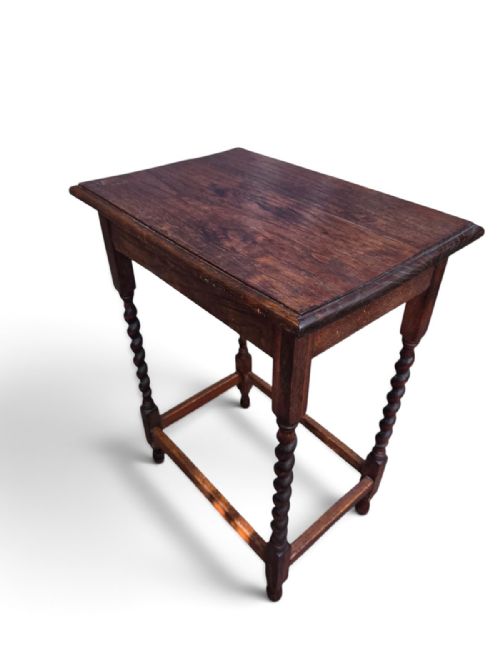
- A turned wooden furniture leg resembling a twisted rope. This decorative turning technique appears frequently on Edwardian examples.
- Tile top
- A tabletop inset with decorative ceramic tiles, often glazed. This feature protects the wood from moisture associated with plants.
- Joint stool
- A sturdy wooden stool constructed with mortise and tenon joints. These items double as small tables in compact spaces.
Small Oak Plant Stand: Frequently Asked Questions
What periods do these plant stands come from?
The listings span from the late nineteenth century through the Edwardian era into the nineteen-twenties and nineteen-thirties.
Victorian and Arts and Crafts examples sit alongside later iterations influenced by Jacobean and Gothic revivals.
How were these small tables originally used?
Households utilised them in reception rooms and parlours to elevate potted plants, ferns, or table lamps.
Their modest footprint allowed them to fit neatly into corners or beside seating furniture.
Are all these stands made entirely of solid oak?
Most pieces utilise solid oak or hardwood frames, while some incorporate secondary woods like stained timber.
Specific variants also feature inset ceramic tiles or brass hardware on the top surface.
How do I identify an Arts and Crafts plant stand?
Key indicators include exposed structural joinery, hammered metal details, and hand-carved decorative motifs.
These pieces often avoid excessive ornamentation in favour of simple, functional geometry.