




Regency Oak Occasional Table
A regency oak occasional table brings genuine period character and compact utility to a room.
Regency Oak Occasional Table
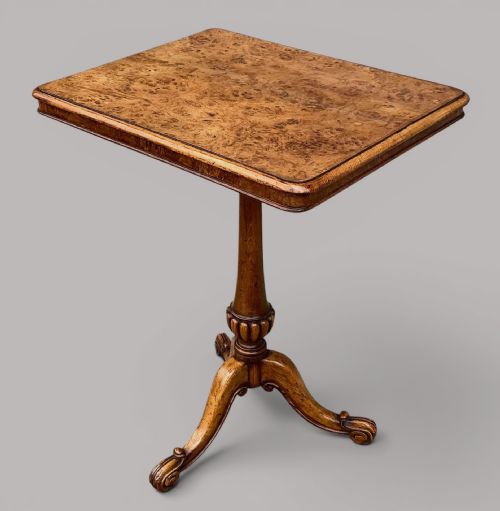
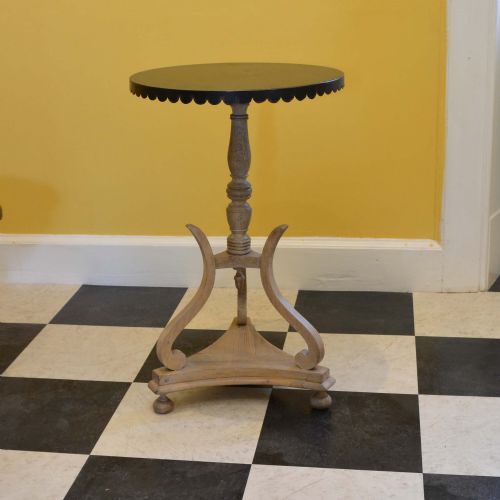
A regency oak occasional table encompasses small scale stands, tripod lamp tables, and drum tables designed for flexible placement around a room. The versions most commonly encountered on this page date from the Regency period and the wider nineteenth century, utilising figured timbers such as pollard and burr oak alongside simpler stock.
Makers produced these tables in various formats including circular top wine tables, drop flap variants, and low proportioned pieces with carved bases. Alongside genuine Regency examples, the selection includes related styles spanning the eighteenth century through to mid twentieth century revivals.
The functionality of a regency oak occasional table ranges from bedside lamp stands to centre tables and box stool hybrids. Buyers will find both plain domestic furniture and more decorative specimens incorporating contrasting woods like satinwood, yew, and ebonised timber.
How they were made
Cabinet makers constructed these tables primarily from solid oak, frequently selecting pollard oak or burr oak veneers for figured surfaces on table tops. Secondary timbers and decorative inlay work often incorporated satinwood, yew wood, and ebonised timber to create visual contrast.
Structural elements frequently relied on turned pillars, tripod legs, and carved bases to support circular or drop flap tops. Metal components such as brass and iron appeared in functional hardware, hinges, and lift top mechanisms.
Several tables moonlight as box stools, proving that Regency household multitasking was truly ahead of its time.
What varies in quality
The quality of a regency oak occasional table is defined by the selection and figuring of the timber, particularly where pollard oak or burr oak veneers display rich natural grain patterns. Superior examples combine these striking veneers with crisp carving on the base and balanced proportions.
Construction methods and timber selection set apart utilitarian pieces from finer specimens intended for principal reception rooms. The integration of secondary woods like satinwood and ebonised timber further distinguishes the ambition of the original maker.
The Regency Oak Occasional Table Glossary
- Pollard oak
- Oak timber taken from a tree that has been pollarded, producing a dense, highly figured grain pattern prized for decorative table tops.
- Tripod table
- A small freestanding table supported by a central pillar resting on three legs, commonly utilised as a lamp or wine table during the Regency era.
- Drop flap table
- A table featuring hinged leaves on one or both sides that can be raised to expand the surface area or lowered for compact storage.
- Drum table
- A circular library or centre table with a deep top containing drawers, frequently mounted on a central pillar with splayed legs.
- Ebonised timber
- Wood treated with a dark stain or finish to imitate ebony, often applied to mouldings or table tops for sharp visual contrast.
Regency Oak Occasional Table: Frequently Asked Questions
Where were occasional tables placed in period homes?
Period homes utilised these compact tables beside seating areas to hold lighting, books, or refreshments. Their portable nature allowed servants to move them about the room as social activities shifted.
Today they serve a similar purpose beside sofas or armchairs, functioning as lamp tables or small display surfaces in tighter spaces.
How do I distinguish Regency pieces from later revivals?
Authentic Regency pieces exhibit construction methods, timber patination, and design proportions characteristic of the early nineteenth century. Cabinet makers of that era used specific joinery techniques and native hardwoods that differ from later manufacturing standards.
Revival pieces produced during the Victorian era or mid twentieth century often reflect the design vocabulary of the Regency period while utilising contemporary tools and finishing methods.
What is the difference between a centre table and an occasional table?
Centre tables were traditionally designed to stand free in the middle of a room, finished on all sides and frequently possessing a drum or pedestal form. Occasional tables were lighter, smaller pieces intended to be moved about and used as needed.
While both appear in the evidence, occasional tables generally offered greater flexibility for domestic placement.
How should I care for pollard and burr oak surfaces?
Figured oak surfaces benefit from consistent humidity levels and protection from direct sunlight to prevent the timber from drying out. Regular application of appropriate furniture wax helps nourish the grain and maintain the natural lustre of the wood.
Avoid placing damp items directly onto the unsealed wood to protect both the solid oak and any decorative veneers.