


British Side Table
A british antique side table provides compact surface space with centuries of cabinet-making heritage, ranging from Georgian mahogany to Art Deco walnut.
British Side Table
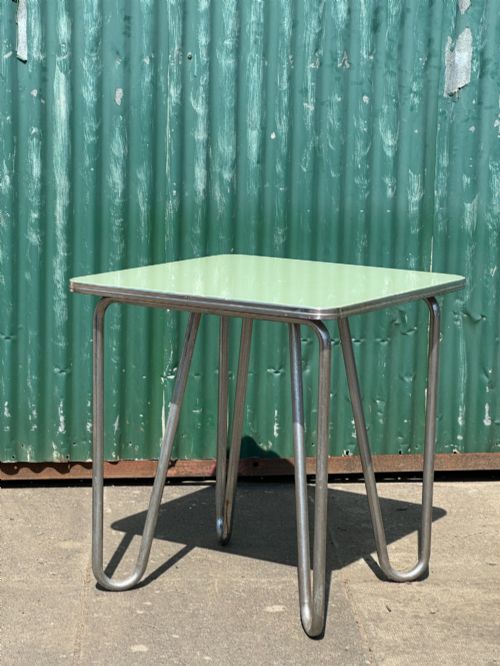
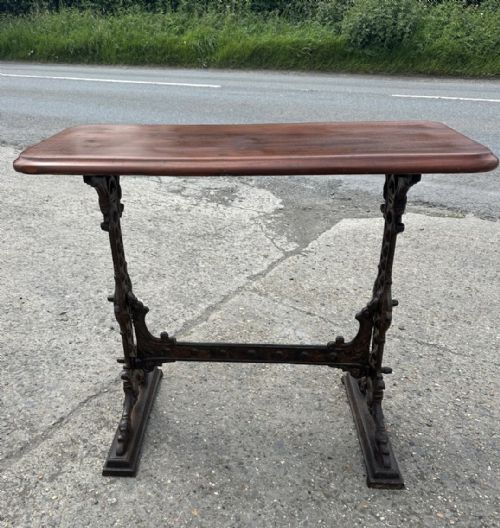
A british antique side table brings functional surface area into a room, taking the form of occasional tables, desks, nests, and pub tables. The selection ranges from robust nineteenth century cast iron pub pieces to refined eighteenth century George III designs.
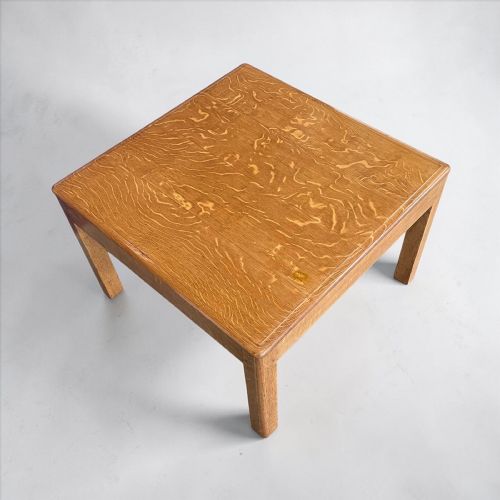
Buyers frequently encounter mahogany and oak constructions spanning periods from the Georgian era through to the nineteen-thirties. Formats vary from tiered dumbwaiters and drop-left gateleg tables to circular Edwardian occasional pieces and Art Deco desks.
Originating across British workshops, these tables served diverse domestic and commercial functions, from holding tea in drawing rooms to serving patrons in public houses. Their survival reflects robust construction methods and enduring utility in modern interiors.
How they were made
Makers utilised dense timbers like mahogany, walnut, oak, and rosewood, often pairing them with structural cast iron for heavy-use pieces such as pub tables. Surfaces frequently feature detailed inlays, grain-matched veneers, and polished finishes.
Joinery methods varied according to the period and form, employing traditional gateleg mechanisms, tiered shelving supports, and nesting frames. Metal components, including brass fixtures, provided functional articulation and decorative accents.
Some nineteenth-century pub tables feature heavy cast iron frames stamped with the word Britannia, built to withstand the most enthusiastic patrons.
What varies in quality
The standard of timber selection and veneer matching defines the visual authority of a piece, distinguishing standard utility furniture from high-workshop production. Fine grain selection in walnut and mahogany elevates the surface appearance significantly.
Structural integrity relies on the execution of joinery and the survival of original components, such as cast iron bases and timber tops. Maker attribution, evidenced by signatures or distinct workshop designs, further distinguishes notable examples.
Betty Joel·Heal s
The British Side Table Glossary
- Occasional table
- A small, movable table designed for a specific, intermittent use within a room. These pieces provide convenient surface space without dominating a room's layout.
- Gateleg table
- A table with hinged leaves that are supported when raised by swing-out legs. This clever folding mechanism allows the furniture to expand or contract as space requires.
- Dumbwaiter
- A freestanding tiered shelving unit on a central column, traditionally used to serve food or hold tableware without domestic staff present. They offer multiple circular surfaces in a compact footprint.
- Nest of tables
- A set of graduated tables designed to fit neatly beneath one another when not in use. This efficient format provides multiple surfaces while occupying the floor space of just one small table.
British Side Table: Frequently Asked Questions
What is a british antique side table used for?
These tables provide practical surface space for lamps, books, and decorative objects while adding historic character to living areas and hallways. Their compact proportions make them adaptable for placement beside seating or along narrow walls.
Historically, specific forms served specialised functions, from tiered dumbwaiters holding dining accessories to cast iron pub tables designed for commercial hospitality. Today, they integrate easily into contemporary rooms as versatile accent furniture.
How do I identify the period of a table?
Dating relies on examining the timber species, construction methods, hardware, and stylistic markers characteristic of eras such as Georgian, Victorian, or Art Deco. Heavy cast iron bases often point to nineteenth-century commercial origins, while satinwood inlay typically suggests Edwardian refinement.
Cabinet-making techniques evolved significantly between the eighteenth and twentieth centuries, shifting from hand-cut joinery to early industrial production. Comparing structural details against documented workshop examples helps clarify the timeline.
Where should I place an antique table?
Side tables suit placement beside sofas, armchairs, or against hallway walls where surface space is needed without blocking circulation. Nests of tables work particularly well in smaller rooms because they expand only when additional surface area is required.
Protecting antique timber from direct heat sources and strong sunlight preserves the polished finish and natural grain. Maintaining stable room humidity prevents the wood from warping over time.
Are these tables suitable for daily use?
Solid timber and robust iron construction make many of these tables well-suited for everyday domestic environments. Using coasters and placemats helps protect historic polished surfaces from moisture and heat damage.
Regular dusting and occasional application of appropriate wax keep the wood nourished and maintain its visual depth. Their durable construction has already allowed them to survive a century or more of daily handling.